Expertise


Stay up to date with the latest agribusiness publications.
Explore our FAQ for answers to common agribusiness queries. Can’t find your question? Contact our expert team for tailored assistance.
If implemented properly, crop-livestock integration can be extremely beneficial. This system allows for efficient land use, improves soil fertility through manure, controls pests and weeds naturally, and diversifies income sources for farmers.
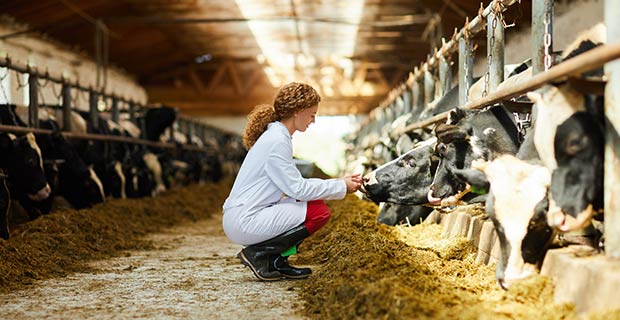
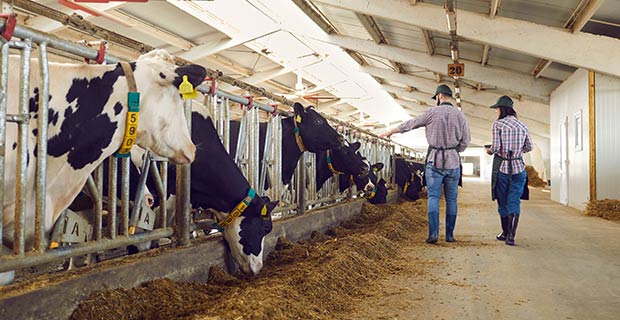
Farmers can protect livestock by ensuring adequate shelter, proper nutrition, regular health checks, and vaccinations. Implementing biosecurity measures, predator control, and stress reduction techniques are also crucial for animal safety and well-being.
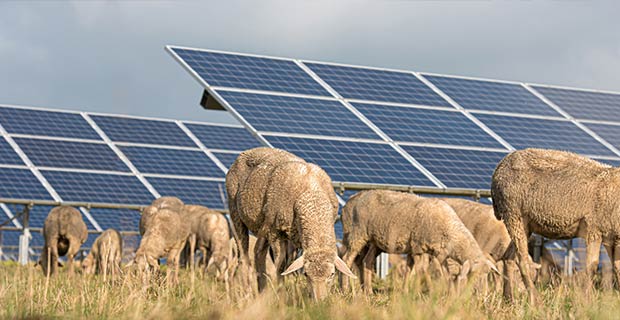
Farmers can reduce impact by adopting practices like rotational grazing, efficient manure management, integrated crop-livestock systems, and using renewable energy sources. Through livestock consulting, farmers can assess their current impact and implement more responsible and sustainable practices.
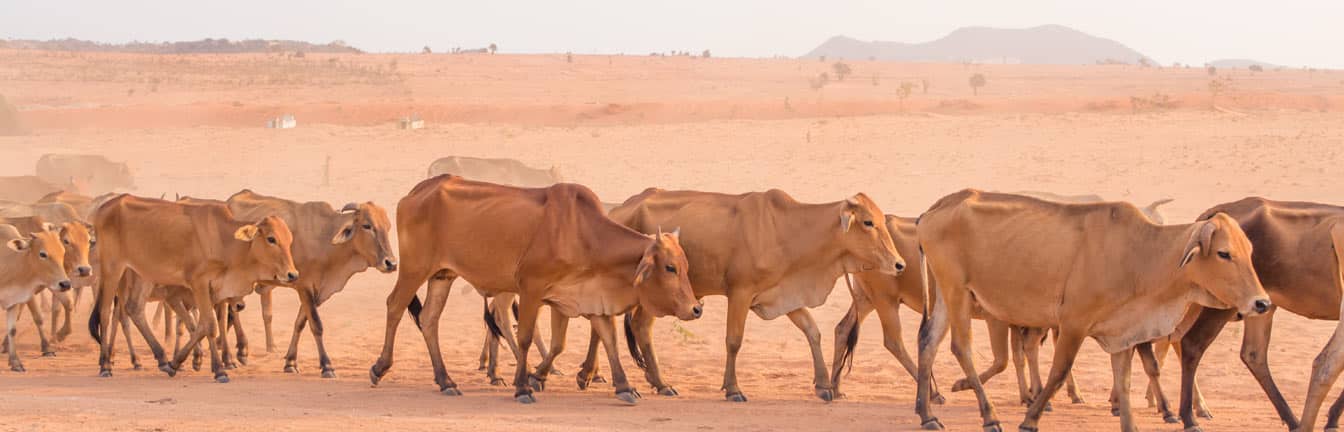
Livestock farming impacts the environment through greenhouse gas emissions, deforestation for grazing, water usage, and pollution from manure. It contributes to biodiversity loss and can affect soil and water quality.
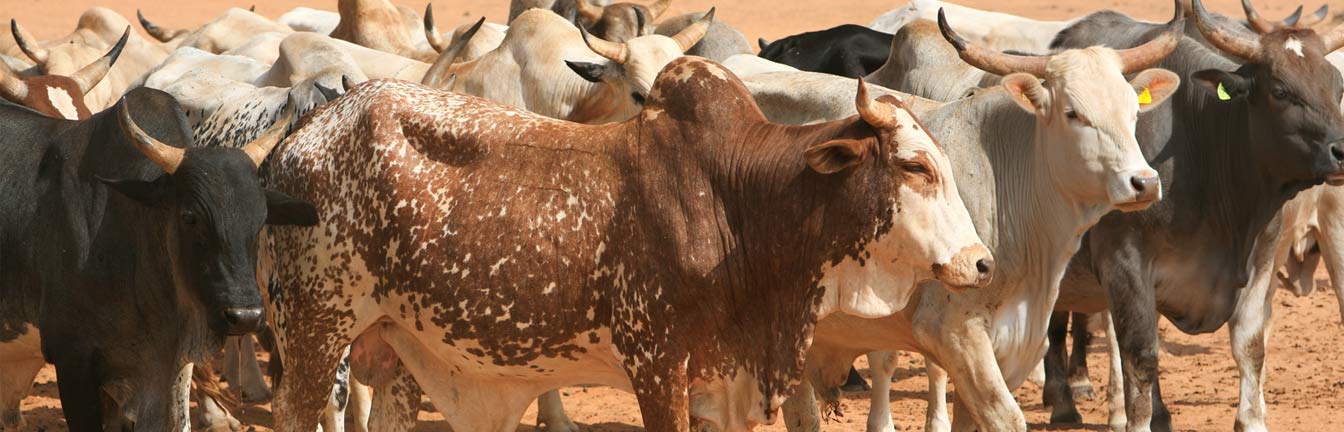
Livestock production management involves overseeing the health, breeding, nutrition, and housing of domesticated animals like cattle, sheep, and goats. It includes practices for enhancing productivity, ensuring animal welfare, and maintaining sustainable operations.
Receive the latest updates from the agribusiness world, including fresh insights and more, directly in your inbox.
Our team are ready to help you on the pathway to achieving your goals in food or agribusiness.