Expertise
Mentioned topics |
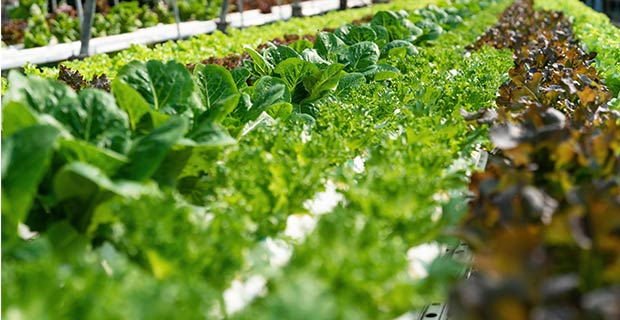
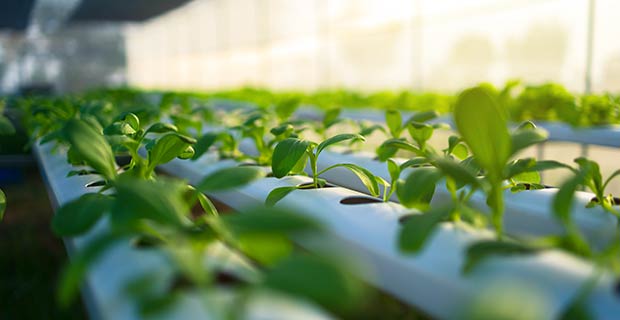
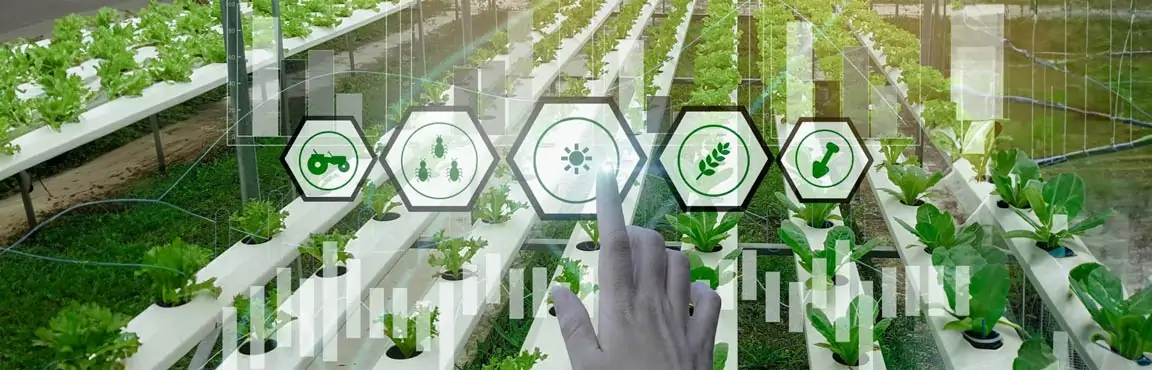
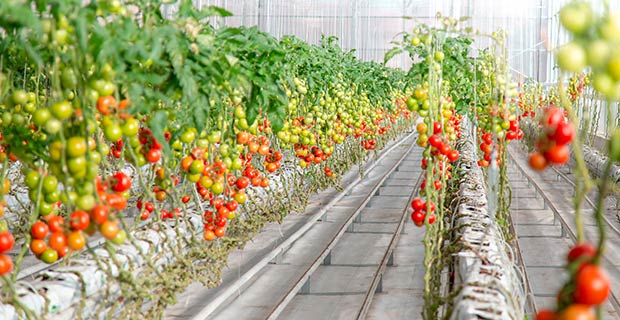
Controlled environment agriculture (CEA) has emerged as a viable method of sustainable crop production and a potential solution to key agrifood challenges such as food insecurity, climate change, and resource scarcity.
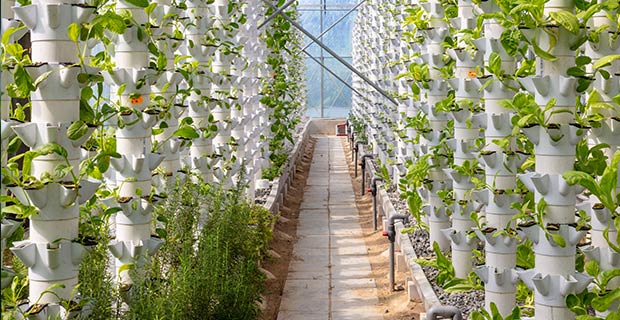
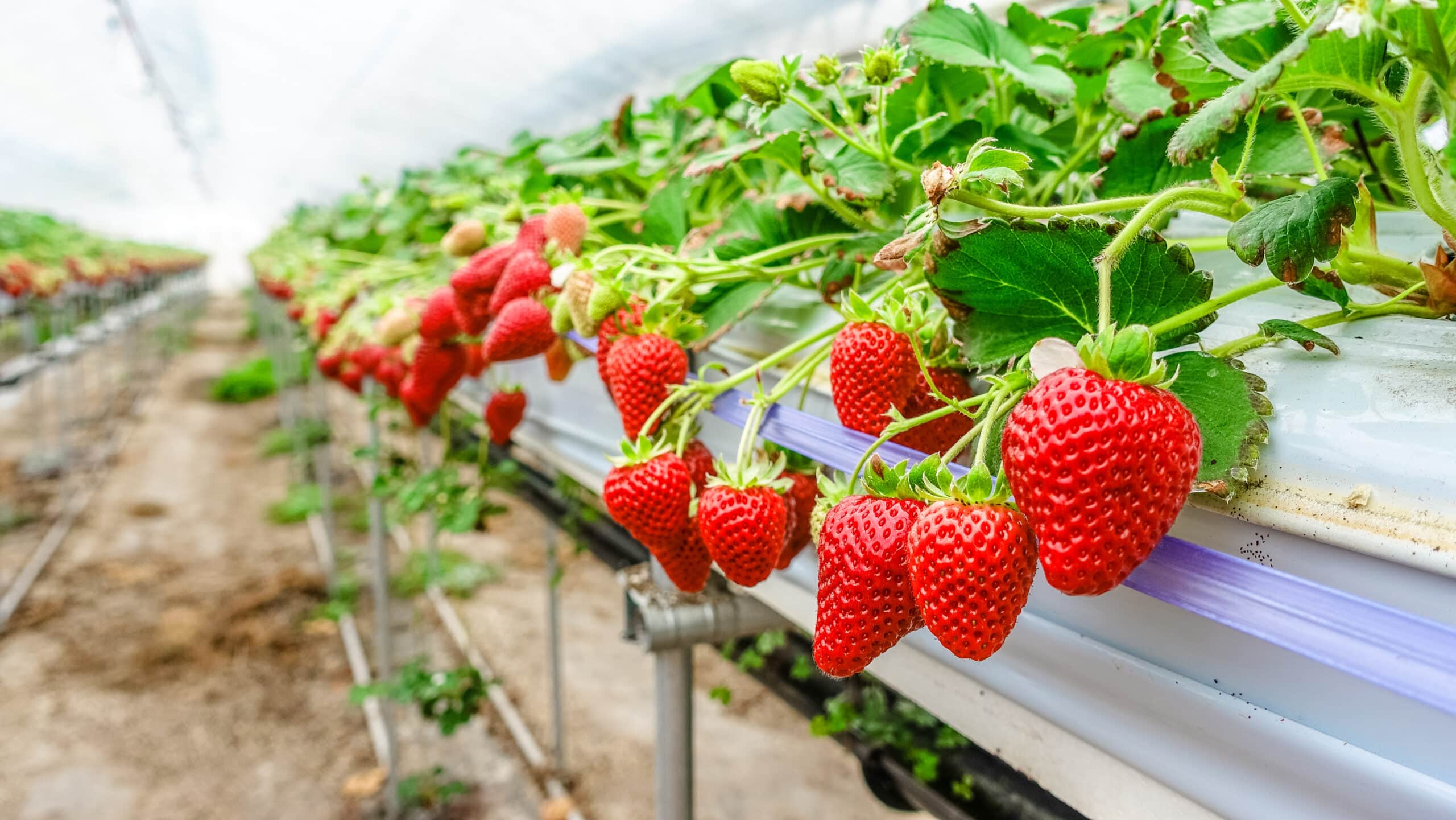
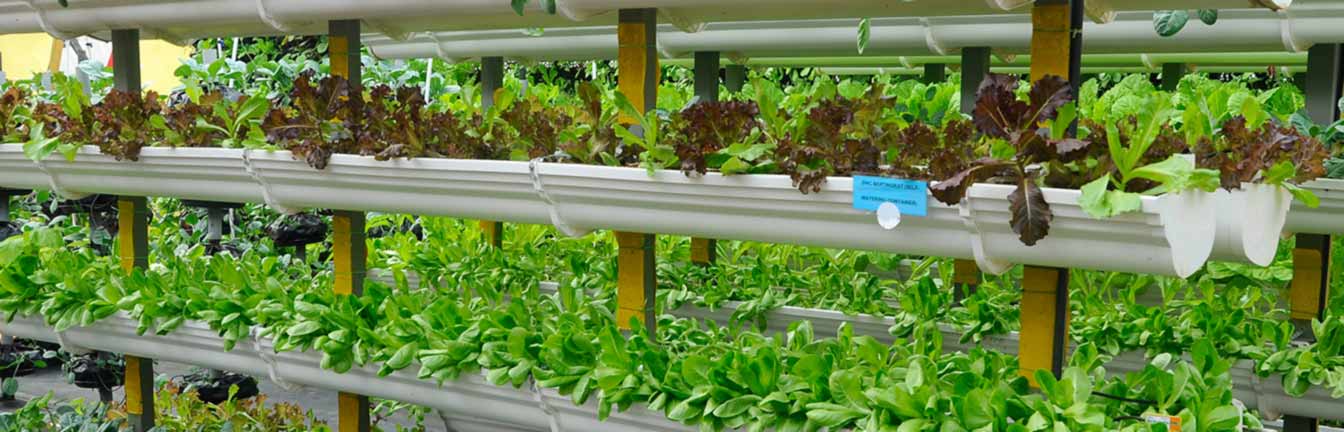
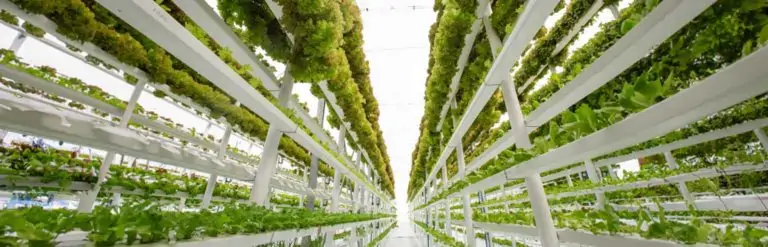
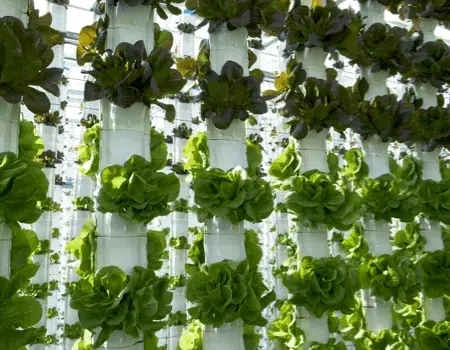
By applying the latest innovations in hydroponics, aeroponics, aquaponics, and vertical farming, CEA can achieve higher yields with limited space and produce crops year-round. Furthermore, these farms are isolated from environmental disruption such as weather events and disease, and they can be built in urban areas, reducing the cost and carbon emissions of transportation.
At Farrelly Mitchell, we recognise the potential for controlled environment agriculture to revolutionise the agrifood industry, particularly in some Middle East and African regions, where traditional farming methods are hampered by increasingly harsh climates. When implemented effectively, CEA can strengthen food security in these regions and improve supply chain sustainability.
Our consultants understand the intricacies of this sector, and can provide key insights into the technicalities of managing greenhouses, indoor farming systems, and vertical farms. Our experts offer a comprehensive understanding of CEA crop selection, climate control, lighting systems, and nutrient management. We can also advise prospective CEA investors on cost effectiveness, financial feasibility and return on investment, as well as develop optimal strategies for system design and implementation.
Our extensive experience and proven track record sets us apart in the CEA sector. We have successfully collaborated with a diverse range of clients, from small-scale CEA startups to established agricultural enterprises.

We conduct commercial and technical due diligence on CEA investments. We identify viable opportunities and potential weaknesses. We review operations, target markets, competitors, and retailers to support informed decision-making.

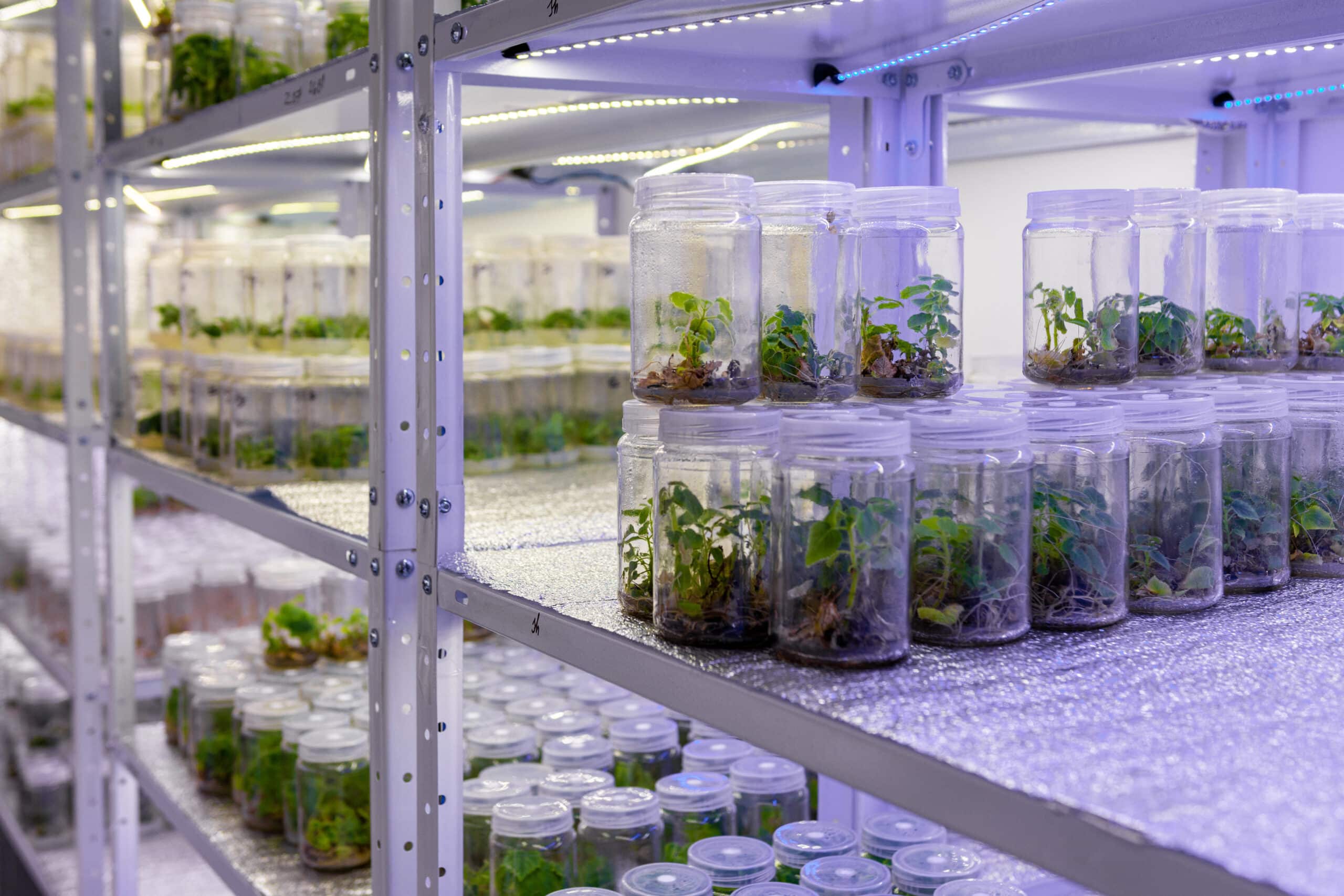
We analyse local and international markets to identify suitable crops and identify CEA systems and processes that are compatible with the selected crops. We also provide insights into agronomy, nutrient management, plant physiology, and climate controls to support smooth running of CEA facilities.

Establishing a CEA facility incurs significant startup costs. We provide financial models and feasibility studies to evaluate the cost of setting up a CEA facility, as well as forecasting return on investment (ROI) and making long-term financial projections. Our findings are typically based on in-person interactions with stakeholders, farm visits, and analysis of market data.
We oversee the planning, execution, and monitoring of CEA projects to ensure that they are completed on time, within budget, and according to specifications.
Stay up to date with the latest agribusiness publications.
Explore our FAQ for answers to common agribusiness queries. Can’t find your question? Contact our expert team for tailored assistance.
CEA is suitable for a wide range of crops, particularly those that benefit from controlled growing conditions, such as leafy greens, herbs, and certain fruits. While efforts to expand this list are ongoing, there remains doubts over the cost effectiveness of crops that require large amounts of water and energy to grow.
Yes, CEA systems are adaptable to various locations, including urban areas and regions unsuitable for traditional farming. They are versatile but the initial setup and operational costs may vary by location.
CEA utilises controlled environments to precisely manage factors like temperature and humidity, often employing soilless techniques like hydroponics. This leads to potentially higher yields and less environmental strain compared to traditional agriculture.
In regions with harsh climates, such as the Middle East and sub Saharan Africa, CEA ensures consistent crop production by precisely managing growing conditions. This contributes to food security and more sustainable supply chains.
CEA is a technology-driven approach for sustainable crop production. It uses methods like hydroponics and vertical farming to achieve higher yields in limited spaces, enabling year-round production while addressing issues like food insecurity and climate change.
Controlled environment agriculture holds great promise for the future of food and agribusiness, however, integrating it into your operations can be challenging and costly. At Farrelly Mitchell, our forward-thinking and innovative CEA experts stay ahead of industry trends and emerging technologies to provide our clients with the most up-to-date solutions. We bring clarity to complex investments and empower informed decision-making through actionable insights and recommendations. If you are seeking commercial or technical support with your CEA projects, contact our CEA experts today.
Receive the latest updates from the agribusiness world, including fresh insights and more, directly in your inbox.
Our team are ready to help you on the pathway to achieving your goals in food or agribusiness.