Expertise

Gender equality in agriculture

Fostering gender equality in agriculture for an equitable and inclusive future

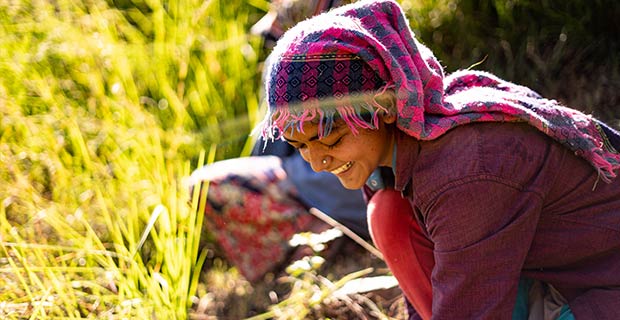
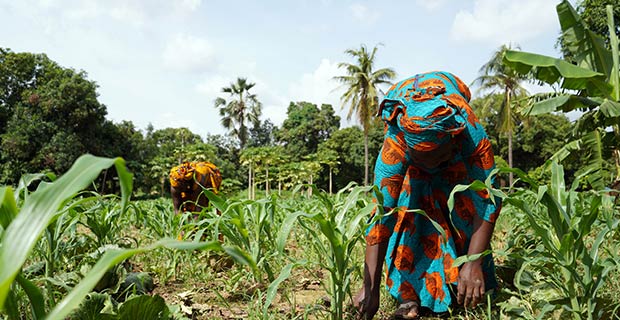
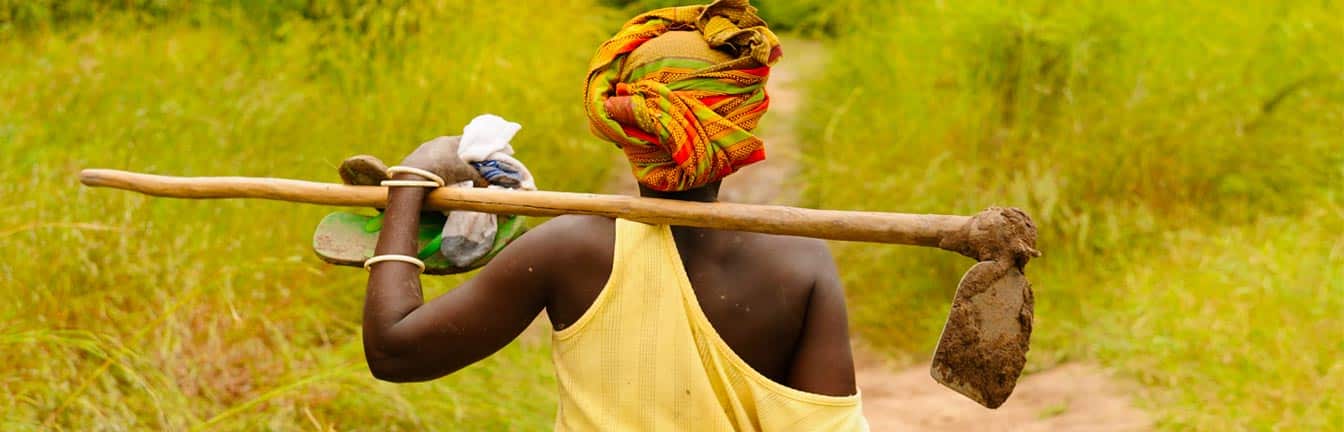
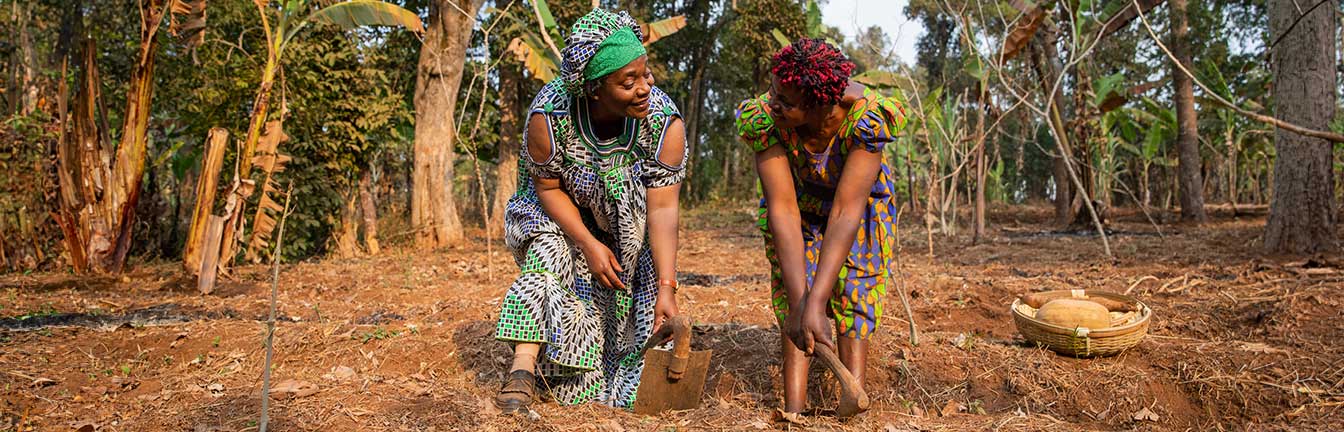
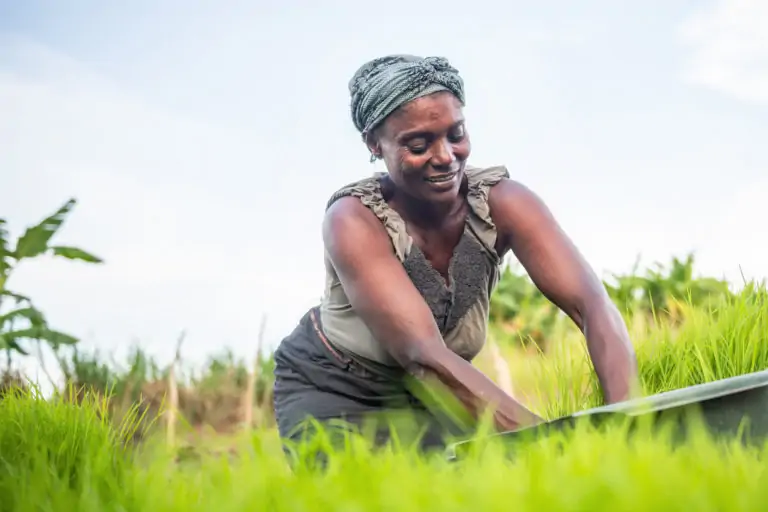
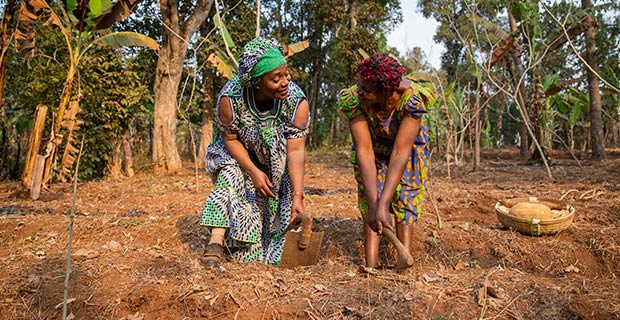
Women play a crucial role in the agrifood industry, making up almost half of the agricultural workforce and holding key positions throughout global food supply chains. Despite this, countless studies have shown that gender equality in agriculture remains a significant challenge. Women in this sector often face barriers such as unequal access to education and training, pay disparities, restricted land rights, and an increased risk of food insecurity and poverty.

Gender inequality has serious ramifications on global food production and the overall welfare of the agrifood industry. Studies have shown that countries with high levels of gender inequality have, on average, lower levels of productivity and high food insecurity. Furthermore, pay gaps in developing countries exacerbate hunger and poverty.

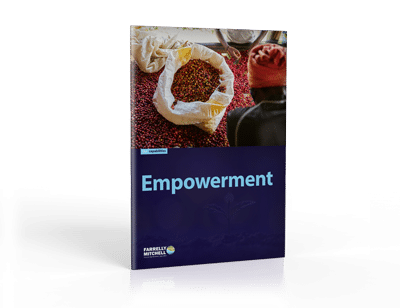
Download our empowerment brochure

Reducing the technological and financial divide by supporting agricultural development initiatives across the globe.
Smallholder farmers brochure

What are the benefits of equality initiatives?

Addressing gender equality in agriculture can benefit:

gender equality in agriculture benefit 1

Productivity and food security:

The FAO estimate that female farmers produce 20-30% less yield than their male counterparts due to lack of resources and opportunities. Increasing women’s access to finance, agtech, and essential agri inputs can drive productivity in areas where it is needed the most. Moreover, it improves overall income of women, who disproportionately suffer from income-related food insecurity.

gender equality in agriculture benefit 2

Economic growth:

Investing in women in agriculture can boost economic development and a country’s overall GDP. It can stimulate job creation and competitiveness, leading to a more durable and inclusive economy.

gender equality in agriculture benefit 3

Protecting workers:

For agribusinesses, implementing robust policies around discrimination, sexual harassment, recruitment, and promotion are integral to a safe and cohesive workplace. They improve the lives of female workers, protect the workforce from unfair treatment and lead to a more inclusive, diverse, innovative, and productive environment for everyone.
gender equality in agriculture benefit 4

Sustainable development:

By supporting gender equality, businesses can align with the United Nations’ Sustainable Development Goals, in particular SDG 5, which seeks to end gender-based discrimination and empower women and girls in both social and work-based environments.

Ensuring equality at all levels of the agrifood industry

At Farrelly Mitchell, our experts diligently support equal rights and gender equality in agriculture.

Our expertise

Our gender equality consultants understand the importance of creating inclusive and equitable workplaces, and design interventions that promote equal opportunities for both men and women. We recognise the need for action at all levels of the supply chain, involving both public and private stakeholders to ensure that marginalised demographics benefit from suitable infrastructure, education, and support. Our gender equality experts have a track-record of promoting gender equality in agriculture by helping organisations and regulatory authorities effectively integrate gender perspectives into their policies, programs and practices. Our range of gender equality services include policy analysis, workforce training, program development, and strategic planning.

Client success stories

Client Success Stories

Palm oil & cocoa | Gender sensitive value chain analysis

Farrelly Mitchell is advancing gender sensitive sustainability in West Africa’s palm oil and cocoa supply chains to strengthen resilience and market access.

Frequently asked questions

Explore our FAQ for answers to common agribusiness queries. Can’t find your question? Contact our expert team for tailored assistance.

What are the benefits of gender equality?

Gender equality in agriculture increases productivity, enhances food security, drives economic growth, and reduces poverty. It contributes to equitable, sustainable development, with women’s empowerment benefiting families and economies.

How can we promote equality in agricultural practices?

Promotion involves policies for equal resource access, like land and credit, and education. It’s about supporting women’s leadership in agricultural bodies, advocating legal reforms, and raising gender equality awareness.

What challenges does gender equality face?

Challenges include societal norms limiting women’s roles, legal barriers to land and inheritance, lack of education and training, and underrepresentation in policymaking. Women also struggle more to access financial services and markets.

Why is gender equality in agriculture important?

Gender equality is vital for economic growth and sustainable development in agriculture. Women, a large part of the workforce, face unequal access to land, credit, and technology. Equal opportunities for all genders boost productivity and enhance community well-being.

What is the state of gender equality in agriculture?

Gender equality in agriculture is progressing but remains uneven. Women, essential in this sector, still face significant disparities in access to resources, decision-making, and economic opportunities compared to men, impacting productivity and sustainability in the agricultural domain.

Featured publications

8 min read
We outline how gender roles in African culture are limiting African women’s access to resources and creating a significant agricultural productivity gap.
Blog
7 min read
Our team discuss the crucial role of women in agribusiness in Kenya, outlining strategies to overcome the main barriers to their success.
6 min read
In 2015, the UN member states agreed to a set of sustainable development goals. Read the 2023 review on where those goals are now. Read more.
Blog
5 min read
Food insecurity and hunger remain significant global challenges exacerbated by conflict, inequality and climate change
3 min read
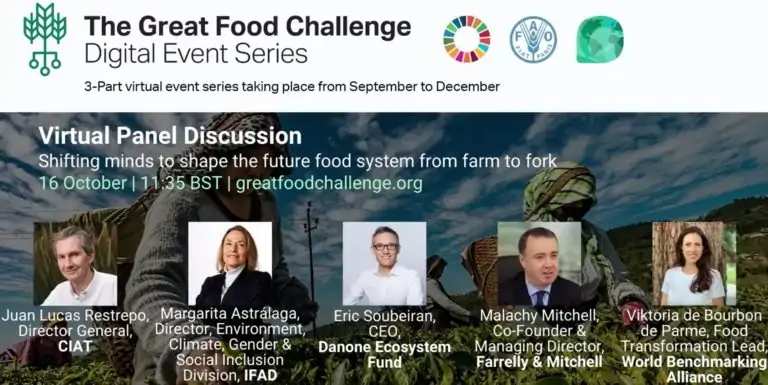
Leaders from the world of food and agriculture took part in event to mark World Food Day and 75th anniversary of UNFAO.

Contact us

At Farrelly Mitchell, we envision a world without marginalisation, where women are provided with the tools they need to thrive in the agricultural sector. We tackle the industry’s most pressing challenges, working with progressive clients to empower women, boost productivity, and drive economic growth.

Trusted by over 100 global clients

Subscribe to our newsletter

Receive the latest updates from the agribusiness world, including fresh insights and more, directly in your inbox.

FM Agribusiness newsletter

Get in touch

Our team are ready to help you on the pathway to achieving your goals in food or agribusiness.

This form collects your name, email address and contact number so that Farrelly Mitchell can communicate with you and provide assistance. Please check our privacy policy to see how we protect and manage your submitted data.

Speak with our food & agribusiness experts

Want to call us directly? We’d love to hear from you.
Here’s how you can reach us.
Elena an expert in agriculture
Consulting Manager
Unit 5A, Fingal Bay Business Park, Balbriggan Co. Dublin Ireland. K32 EH70
Play Video