Service

Market linkages & value addition

Empowering smallholders with lucrative and valuable market linkages

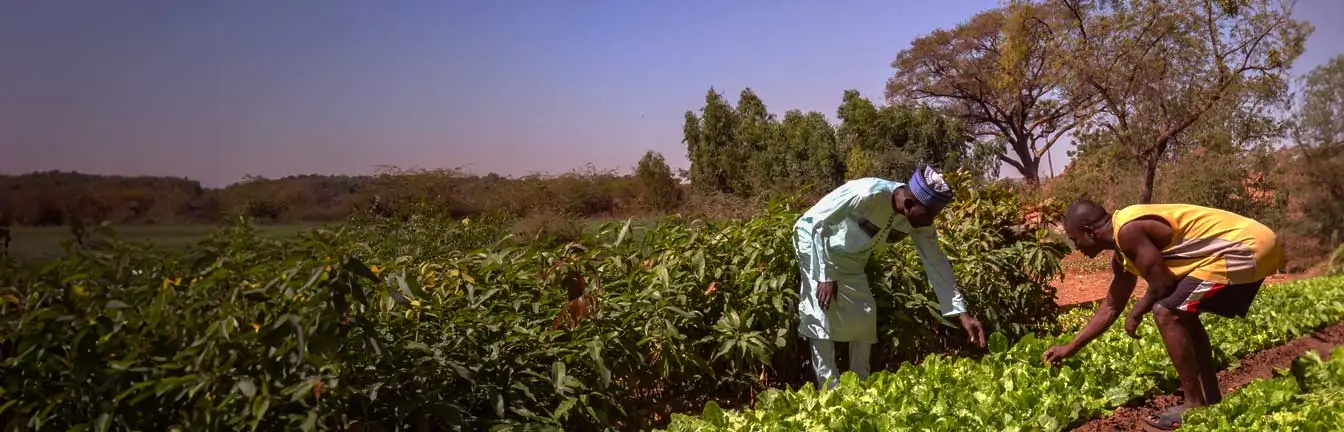
Agrifood producers in the developing world face numerous challenges. These issues include limited access to vital farming inputs such as seeds and fertilisers, as well as sell-side problems tied to market limitations, low bargaining influence, and inadequate storage. These challenges are compounded upon by financial constraints, lack of proximity to input sources, and seasonal factors.

Even as commodity prices rise, farmers who don’t have access to quality inputs are unable to benefit from increased yields and better prices. By prioritising stronger market linkages, Farrelly Mitchell ensure a more resilient, sustainable, and inclusive future.

Download our development & impact brochure

Enabling governments, NGO’s and unilateral institutions to achieve transformative outcomes.
Program development services

The benefits

Stronger market linkages have great economic and societal advantages for businesses and policymakers alike.

Governments benefit from:

  • Greater market efficiency: Quicker and more reliable channels of distribution mean businesses can reduce their input costs and receive a fair price for their products.
  • Economic inclusion and development: Increased purchasing from local suppliers helps redistribute income within the local economy and enables local, small and medium-sized enterprises to participate. This ultimately leads to a fairer and more balanced economy.
  • Improved living standards: The requisite transfer of knowledge and use of technology has both upstream and downstream benefits. Suppliers benefit from advanced production techniques, improved quality standards, and greater awareness of market trends while consumers and distributors benefit from improved products and services.
  • Economic stimulus: Multiplier effects ensure that money spent in the local economy will circulate within it, leading to further business opportunities and job creation which benefits the economy. Also, an interconnected business environment fosters competition and catalyses economic growth.
  • Sustainability: Stronger local linkages reduces dependence on imports and insulates the economy from external shocks. Well-linked markets can ensure a steady and sustainable food supply while being more resistant to economic downturns.
  • Information sharing: Enhanced market linkages reduces information asymmetries and redresses market distortions.
  • Global integration: Solidifying local markets makes business transactions smoother, enhancing global awareness and trust and acts as a stepping stone to global markets.

Food and Agribusinesses benefit from:

  • Improved supply chain efficiency: Reliable access to quality inputs and reduced post-harvest losses and wastage improve supply chains efficiency.
  • Superior produce: Establishing direct connections between farmers and producers leads to the cultivation of superior produce and crop varieties as well as improved quality control.
  • Price stability: Closer ties between buyers and suppliers eliminates middlemen and enables long-term pricing agreements, stabilizing costs for businesses and revenue for producers.
  • Enhanced market intelligence: Direct links to retailers and consumers provide insights into changing dietary preferences and market trends. This enable businesses to adapt to market trends faster, forecast and plan accordingly, ensuring they remain competitive.
  • Access to new markets: Strong linkages can provide expansion opportunities, opening doors to new regional or international markets. Additionally, collaboration can help in achieving certifications (like organic or Fair Trade) that can unlock premium markets.
  • Risk management: Close ties with other market players help limit risk by distributing responsibilities and improving awareness of potential issues.
  • Innovation: An interconnected business environment fosters competition, which catalyses innovation. Additionally, businesses in a well-linked market often collaborate, leading to innovative solutions, such as new farming methods and crop varieties as well as value-adding processes.
  • Sustainability and environmental stewardship: Closer ties throughout the supply chain ensure greater traceability and transparency, and facilitate the adoption of sustainable agricultural practices.

Improving market access for smallholders

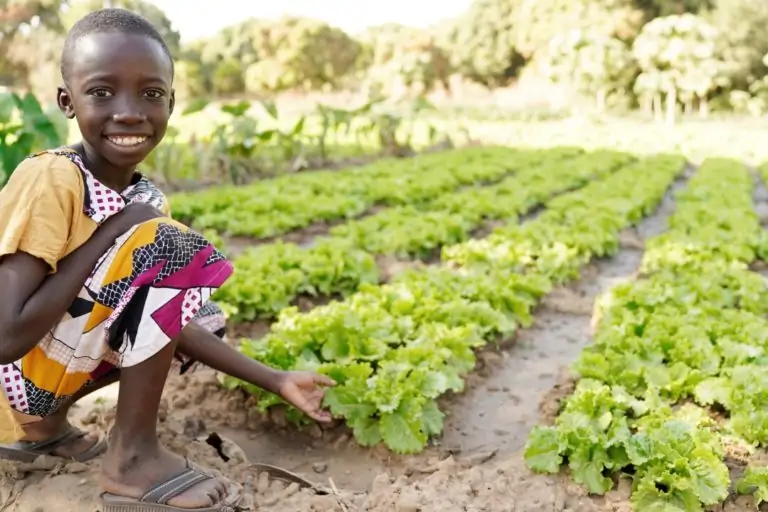
We transform market challenges into growth opportunities by strengthening market linkages for smallholders, and providing access to lucractive larger markets.

Our services:

Farrelly Mitchell offers a range of services that help governments and businesses establish robust market linkages, optimise their operations, and ensure sustainable and profitable growth.

  • Market research: We provide data driven-driven analysis into consumer preferences, market trends, and competitors’ market strategies. We build demand forecasting models based on these trends and advanced statistical methods.
  • Supply chain audits and analysis: We evaluate existing supply chains and related systems, pinpointing inefficiencies and vulnerabilities and improving supply chain visibility. This enables clients to understand the flow of products and the potential for value addition at each stage.
  • Training and capacity building: We provide training programs on best agricultural practices (such as post-harvest management, and market-oriented farming) as well as business skills (such as workshops on business planning, marketing, and financial management).
  • Market access and diversification: Our team helps businesses enter regional or international markets and facilitates connections between producers, processors, distributors, and retailers.
  • Policy recommendations and advocacy: We analyse current policies, gather insights from key stakeholders – including smallholder farmers, traders, and industry leaders – and assist governments in developing and framing policies that promote market linkages and sustainable agricultural growth.
  • Technology integration: We analyse and recommend trading platforms, identifying ways to integrate technologies that enhance supply chain efficiency.
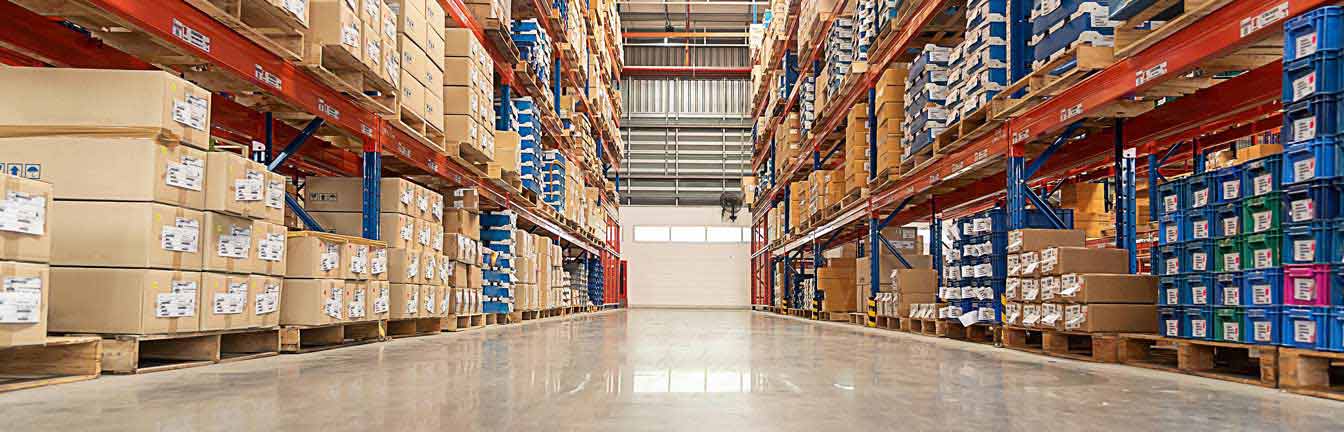
  • Infrastructure development: We advise businesses on the development of cold storage facilities, cold chains, processing units, and logistical hubs. We assist governments, agricultural associations, and NGO’s in crafting transparent regulatory frameworks, setting up cooperative structures, and designing effective governance models.
  • Sustainability and certification: We advise on the adoption of eco-friendly and sustainable agricultural practices and assist agribusinesses in obtaining relevant certifications (eg. organic, Fair Trade, or Rainforest Alliance etc.)
Agribusiness-market-research3 kr

Why choose Farrelly Mitchell?

We recognise the numerous challenges faced by agrifood producers, from accessing essential farming resources to navigating the complexities of local markets. Our highly experienced consultants ensure that our clients are not only equipped to overcome these challenges but also primed to seize emerging opportunities.

Farrelly Mitchell help government agencies, NGO’s, multilaterals, and DFI’s by strengthening market linkages and developing strategies that promise not only economic growth but also societal advancement.


Director, East & Southern Africa
7th Floor, The Address Building, Muthangari Drive, Off Waiyaki Way, Nairobi, Kenya
Collins Pasi
Trending insights

✎ Subscribe today

Stay up to date with the latest agribusiness publications.

Client success stories

Client Success Stories

Palm oil & cocoa | Gender sensitive value chain analysis

Farrelly Mitchell is advancing gender sensitive sustainability in West Africa’s palm oil and cocoa supply chains to strengthen resilience and market access.
Client Success Stories

Absa Bank | Agribusiness training for SMEs

Absa Bank Ghana is committed to promoting sustainability in SME business growth, nurturing profitability, and fostering employment creation across Ghana.
Client Success Stories

ITC | Capacity building programme for agricultural finance

Provision of tailored training and tech support to 10 SMEs to guide innovative financing for cocoa processing.

Frequently asked questions

Explore our FAQ for answers to common agribusiness queries. Can’t find your question? Contact our expert team for tailored assistance.

What role do governments play in enhancing market linkages?

Governments can enhance market linkages by implementing supportive policies, investing in infrastructure, and promoting fair trade practices. They also play a key role in facilitating access to technology and market information, which are vital for efficient agricultural supply chains.

Why is expert consultation important for establishing market linkages?

Market linkage consultants bring specialised knowledge and experience in establishing robust market linkages. They provide insights into market trends, supply chain optimisation, and strategic connections that are crucial for the efficient operation and growth of agricultural businesses.

What are the primary barrier to market linkage in developing regions?

In developing countries, market linkages face challenges such as inadequate infrastructure, limited access to technology, financial constraints, and lack of information. These obstacles can hinder efficient product distribution, reduce market accessibility, and affect the quality and price of agricultural goods.

How do market linkages affect smallholder farmers’ income and livelihood?

Market linkages positively impact smallholder farmers by providing them with better access to inputs, information, and markets. This leads to improved crop yields, higher-quality produce, and access to fairer pricing, thereby increasing their income and improving their livelihoods.
Featured publication

Blog
7 min read
Our experts explain why the success of the EU Global Gateway initiative hinges on soft infrastructure, creating the stable, predictable regulatory environments investors need.
7 min read
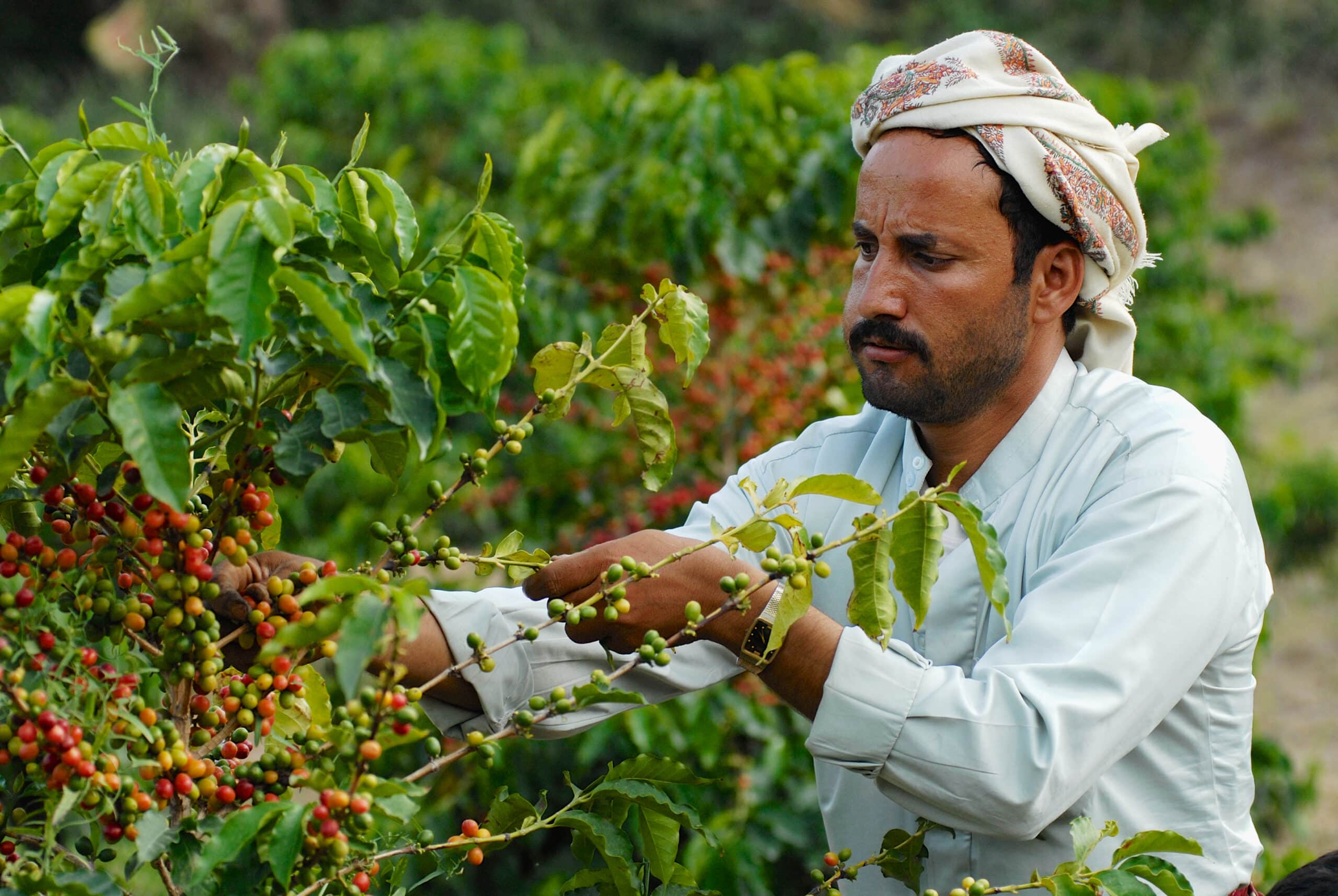
Despite all of its challenges, Yemenia coffee is exhibiting great market potential, owing to its unique genetic resilience, exceptional quality and premium flavour profile.
6 min read
Our team discusses the role that technology can play in enhancing market linkages in agriculture and empowering smallholders.
6 min read
Our experts discuss the rise in public and private demand for transparency and traceability in the food supply chain
Blog
6 min read
Our agrifood experts discuss how stronger market linkages can empower smallholders, benefit supply chains, and stimulate economic growth.
4 min read
Europe belies its status as the smallest continent on the planet for many reasons, and none more so than the performance of its agricultural cooperatives.
2 min read
Scope for improvement in agriculture and food outcomes within the grasp of the Middle East and African nations who work together and pool their collective strengths.
Blog
5 min read
African agriculture funding has always proven difficult. Significantly the technology now exists to support access to investment.
Insight
2 min read
The trend towards greater food supply chain transparency has highly beneficial outcomes for all stakeholders in the food industry.

Speak to us

Whether it’s enhancing supply chain efficiency, fostering global integration, or promoting sustainable agricultural practices, our services can help. Contact us today to see how you can benefit from greater market efficiency, sustainability, and global integration.

Trusted by over 100 Global Clients

Subscribe to our newsletter

Receive the latest updates from the agribusiness world, including fresh insights and more, directly in your inbox.

FM Agribusiness newsletter

Get in touch

Our team are ready to help you on the pathway to achieving your goals in food or agribusiness.

This form collects your name, email address and contact number so that Farrelly Mitchell can communicate with you and provide assistance. Please check our privacy policy to see how we protect and manage your submitted data.

Speak with our food & agribusiness experts

Want to call us directly? We’d love to hear from you.
Here’s how you can reach us.
Collins project development service
Director, East & Southern Africa
7th Floor, The Address Building, Muthangari Drive, Off Waiyaki Way, Nairobi, Kenya
Play Video