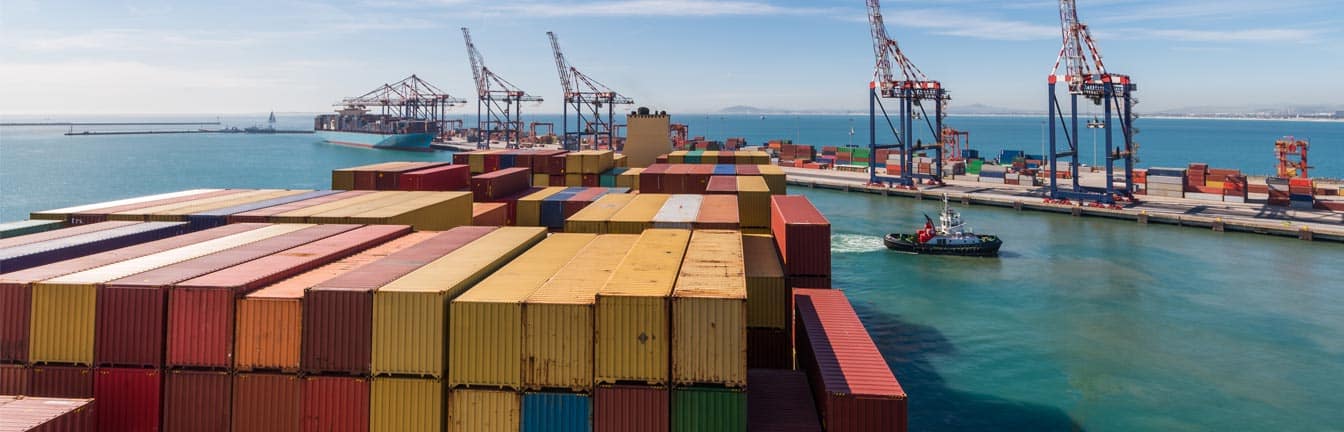
When discussions turn to the EU Global Gateway initiative, the conversation typically centres on physical infrastructure. The headlines focus on upgrades to highways, railways, and port facilities across Africa. However, a quieter but potentially more profound development is reshaping the investment landscape along Africa’s trade corridors. Fundamental shifts in how the EU promotes investment in Africa, along with new regulatory frameworks and soft infrastructure, may have a greater impact on the long-term success and attractiveness of EU Global Gateway Infrastructure Corridors compared with the roads and railways that are being built to support it.
The EU-Angola Sustainable Investment Facilitation Agreement
On 1 September 2024, the EU-Angola Sustainable Investment Facilitation Agreement (SIFA) entered into force, marking the first agreement of its kind and signalling a change in how the EU promotes investment in Africa. The SIFA framework represents a deliberate transition away from traditional Bilateral Investment Treaties, choosing instead to focus on making the investment environment more transparent, efficient, and predictable for all investors, whether they are domestic or foreign.
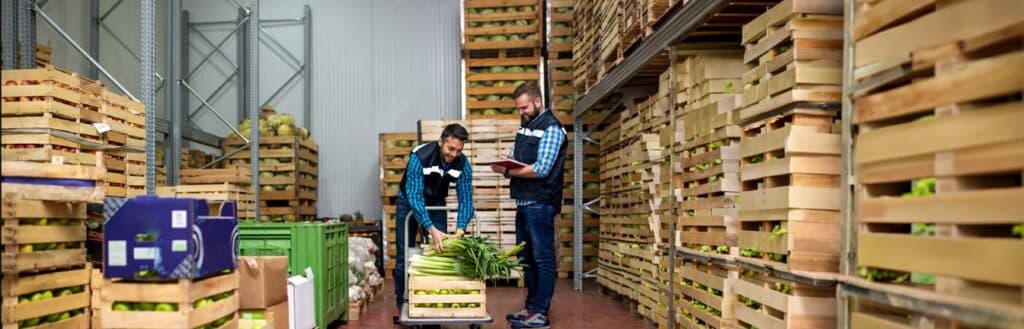
Research from the World Bank demonstrates that high transport costs in Africa are caused as much by inefficient border procedures and cumbersome bureaucracy as by poor road conditions. The Bank has identified inefficient processing at border crossings and transport hubs as a primary driver of food loss on the continent, with post-harvest losses reaching 37% in some regions. A modern highway delivers limited value if trucks wait for 24 to 48 hours at a border due to administrative bottlenecks, as is currently common on some trade routes. The SIFA’s emphasis on streamlining procedures and improving regulatory harmony directly addresses some of these constraints by ensuring that the productivity gains from better infrastructure are not artificially curtailed by bureaucratic inefficiencies.
While it is easy to evaluate opportunities along the EU’s Global Gateway Infrastructure Corridors by analysing the progress of physical construction projects, these metrics only account for one dimension of a corridor’s true investment readiness. The more sophisticated, and ultimately more predictive approach is to evaluate these corridors in a way that gives equal weight to both hard and soft infrastructure. A corridor with a rehabilitation highway but an opaque, unpredictable regulatory environment presents a fundamentally different risk-return profile than one operating in a transparent, predictable, and stable regulatory environment.
The EU-Angola SIFA focuses on facilitating investment by establishing a comprehensive framework that is designed to make investment easier at all stages, from establishment through operation to expansion. The agreement covers all economic sectors, and key provisions include transparency requirements that ensure all investment-related laws and regulations are streamlined and publicly accessible, that authorisation procedures actively seek to reduce bureaucratic delays, and the establishment of investment facilitation focal points which will serve as key points-of-contact for investors seeking clarification over regulatory requirements. Critically, the SIFA also integrates robust sustainable development commitments, including provisions preventing the weakening of environmental or labour standards to attract investment and requirements to effectively implement international agreements, such as the Paris Agreement on climate change.
When viewed in conjunction with the Global Gateway’s physical infrastructure investments, the true strategic value of the SIFA framework becomes apparent. Officials in Angola have worked hard to ensure that the SIFA framework is explicitly designed to complement their Global Gateway initiatives. The Global Gateway will provide the ports, railways, and roads, whilst the SIFA provides the stable, transparent, and streamlined regulatory environment for the private sector investment required to bring these new economic corridors to life. The development of the Lobito Corridor in Angola is a case in point. This project will upgrade over 1,800 kilometres of railway infrastructure to connect Angola’s Atlantic port of Lobito with the Democratic Republic of Congo and Zambia. This project has the potential to catalyse broader agricultural development in the region as its route traverses some of Angola’s most fertile but historically isolated agricultural regions.
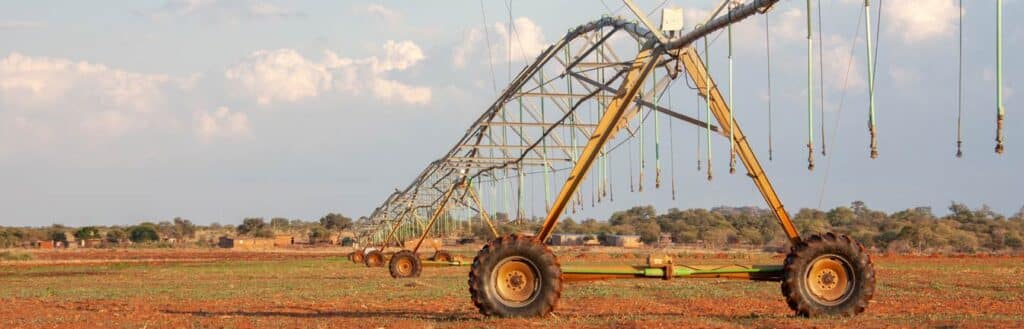
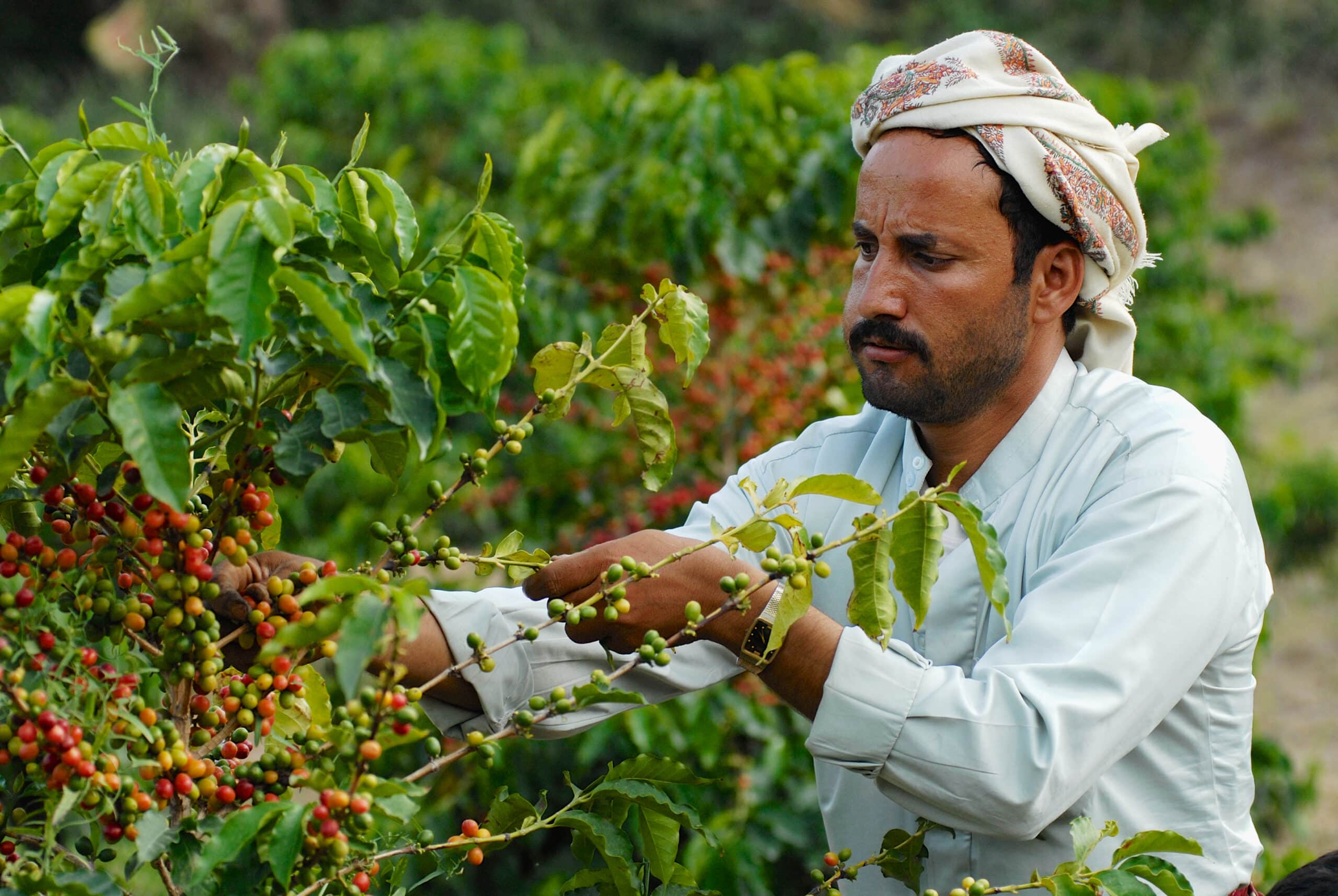
However, road and rail access alone cannot transform these regions into productive agricultural export zones. The SIFA’s transparency provisions reduce the administrative burden and uncertainty that have historically deterred private investment in these regions. Streamlining authorisation processes will ultimately lower start-up costs for agribusiness ventures, while clear and transparent regulations will permit more accurate and predictable financial models, enabling investors to secure financing and plan long-term operations with greater confidence.
Operational and strategic implications of the SIFA
For private sector actors in the agri-food value chain, the SIFA model offers tangible operational advantages that can translate directly into improved project outcomes. For instance, previously an agribusiness investor may have faced significant uncertainty regarding licensing timeframes, environmental approval processes, import permit procedures for equipment and inputs, and the stability of taxation policies. However, under the SIFA framework, the same investor benefits from a fundamentally different environment. Relevant laws and regulations are published and accessible through information portals. Application processes have established timeframes, and fees are more transparent and reasonable. The combination of enhanced transparency, procedural certainty, and predictable timelines systematically reduces the soft costs associated with market entry, such as legal fees and administrative overheads. Naturally, for capital-intensive agribusiness projects, these savings can be substantial.
Moreover, the SIFA’s sustainability clauses are well-aligned with the type of ESG mandates that increasingly govern corporate investment decisions. The agreement contains a non-regression clause, forbidding either party from weakening environmental or labour protections to attract investment. It promotes corporate social responsibility and responsible business conduct in line with international standards. For European agribusinesses facing stringent requirements under evolving EU regulations, such as the Carbon Border Adjustment Mechanism and EUDR rules, operating under a SIFA framework provides greater confidence that supply chains will comply with future sustainability legislation and commitments.
However, perhaps the most fundamental distinction between the SIFA and the traditional Bilateral Investment Treaty (BIT) is its dispute resolution mechanisms. Whereas BITs have historically been backed by powerful investor-state dispute settlement (ISDS) mechanisms, the SIFA explicitly excludes substantive investor protections and ISDS. This may have profound implications for risk management strategies. Without the ability to seek international arbitration against a host state, investors cannot rely on legal recourse as a primary form of protection. This makes the financial de-risking instruments offered under the Global Gateway, particularly the guarantees provided by the European Fund for Sustainable Development Plus (EFSD+), significantly more important. Investors must therefore conduct more rigorous operational due diligence, develop stronger relationships with local regulatory authorities, and ensure their projects qualify for EFSD+ support wherever possible.
Unlocking value in Africa
The EU Global Gateway Infrastructure Corridors represent one of the most significant infrastructure initiatives in Africa’s recent history, with the potential to fundamentally reshape the continent’s logistics landscape and unlock substantial value in sectors like agribusiness. However, the ultimate success of these corridors will not be solely determined by the quality of the roads and railways constructed. It will depend on the efficiency, transparency and predictability of the regulatory environments in which they operate.
Angola’s decision to enact the SIFA sends a powerful signal about the country’s commitment to attracting sustainable, long-term capital and its willingness to embrace modern, transparent governance frameworks, and this signal should be weighted heavily by investors. Ultimately the corridors that will deliver the highest risk-adjusted returns are those where hard infrastructure investments are matched by robust, transparent, and sustainable regulatory frameworks. The investment community must therefore expand its due diligence frameworks to systematically assess the quality and maturity of soft infrastructure alongside traditional evaluations of physical assets and market fundamentals if it is to successfully deploy capital and achieve the sustainable, long-term returns that these corridors promise.
At Farrelly Mitchell, our policy and regulatory analysis experts provide strategic guidance to help agribusiness investors and operators navigate complex investment environments and make informed decisions in emerging markets. We specialise in evaluating the regulatory frameworks that underpin infrastructure projects, conducting comprehensive risk assessments that incorporate both physical and institutional factors, and developing market entry strategies that align with evolving international investment standards. With extensive experience across African agri-food value chains, we combine deep local market knowledge with global best practices to help clients identify opportunities, mitigate risks, and capitalise on transformative infrastructure developments. Contact our experts today to discuss how we can support your strategic evaluation of investment opportunities in Africa’s rapidly evolving agribusiness landscape.