Africa’s food import bill is projected to reach USD 65 billion by 2025, a figure that represents both a structural failure and an extraordinary opportunity. The continent possesses 60% of the world’s uncultivated arable land and a young, growing population, yet it remains a net importer of basic foodstuffs and faces a youth unemployment crisis. These paradoxes have persisted for decades, surviving countless development interventions, input subsidy programmes, and infrastructure investment schemes.
At the heart of the problem is a mutual incapacity. Farmers cannot reliably supply the required volume of raw materials at the quality standards that processors require, and processors cannot reliably produce their goods in areas without sufficient raw materials. This is further compounded by unreliable water and energy infrastructure, creating a self-reinforcing cycle of underinvestment that has resisted countless conventional interventions.
However, against this backdrop, a new approach is now gaining momentum. Special Agro-Industrial Processing Zones, commonly referred to as SAPZs, represent a deliberate pivot away from the industrial strategies of the past. Unlike Africa’s first wave of agro-industrialisation projects, which often became isolated with limited backward linkages to local economies, SAPZs are designed to integrate climate-smart practices, renewable energy infrastructure, and smallholder farmers from the outset.
The timing is significant. With the EU’s Carbon Border Adjustment Mechanism reaching full implementation in 2026, African agricultural exporters face an immediate reckoning: adapt to low-carbon production standards or risk losing access to premium markets which are worth an estimated USD 25 billion annually.
The structural failure of past interventions
Understanding why SAPZs matter requires acknowledging what has not worked in the past. African agriculture has long suffered from what analysts term the “missing middle”; a systemic inability to transform raw commodities into processed goods that capture value, create employment, and meet the quality and sustainability standards demanded by global markets.
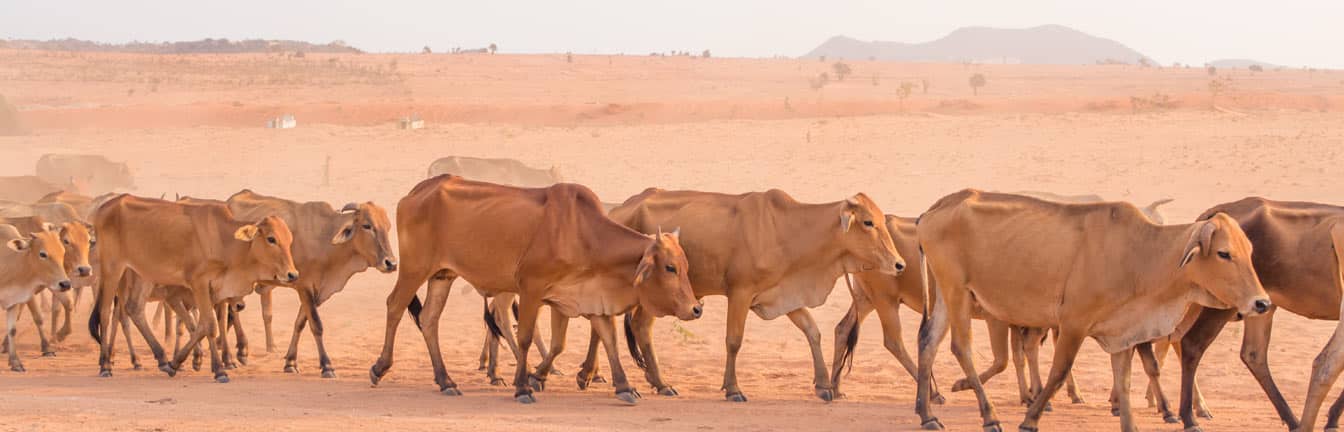
Smallholders, who produce the vast majority of the continent’s food, operate in isolation from formal processing facilities and often lack access to cold storage, quality inputs, and reliable transport. Post-harvest losses routinely reach 40% for perishable crops, effectively negating the productivity gains that agri-modernisation programmes have achieved.
Previous interventions addressed challenges in isolation. Input subsidy programmes improved seed quality but did nothing to ensure farmers could sell their harvests at fair prices. Road construction reduced transport times but failed to address the absence of processing facilities. While tax incentives and streamlined regulations improved the investment climate for urban manufacturers and larger, formalised businesses, they failed to reward those higher up the value chain.
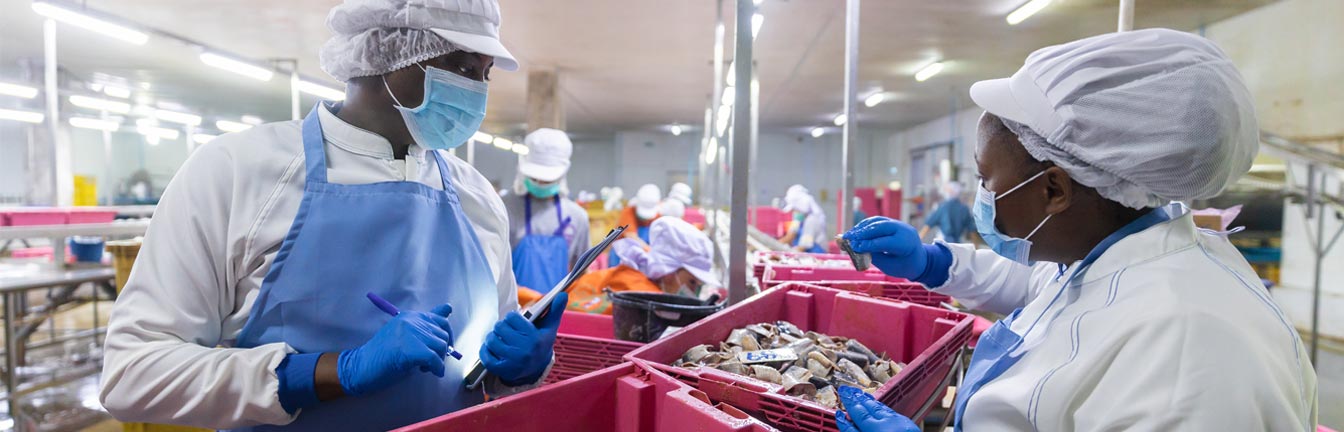
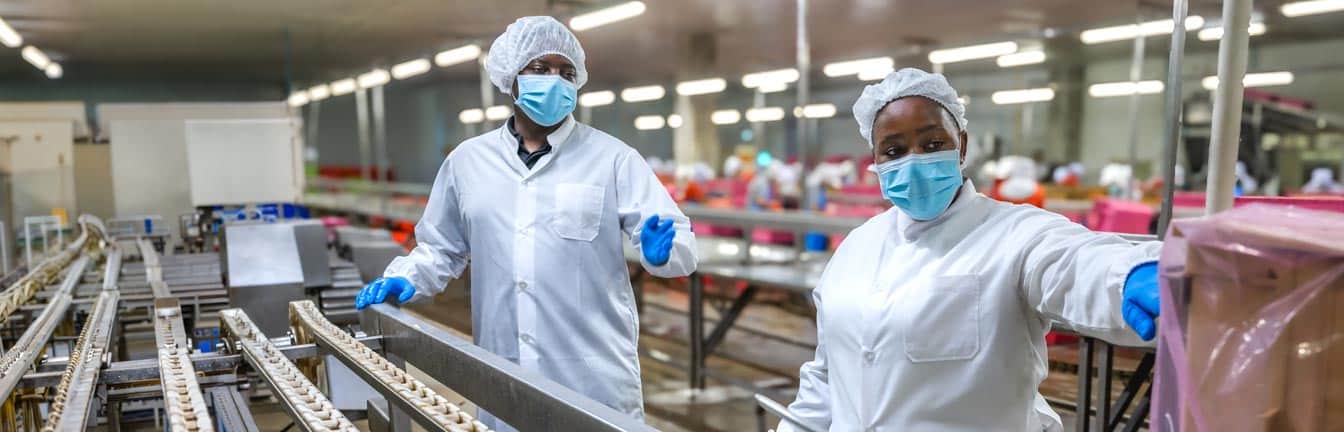
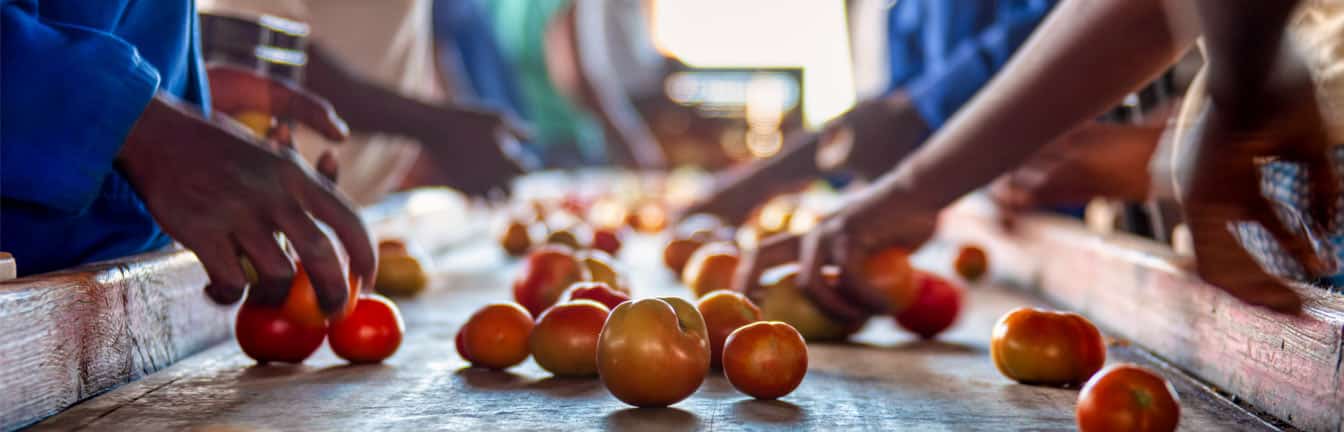
SAPZs are different. They are integrated into the rural setting. SAPZ utilises a “hub-and-spoke” model. Unlike traditional industrial parks, which were often fenced off from their surroundings, with SAPZ, the “Hub” serves as the industrial core, hosting heavy processing, packaging, and logistics facilities. The spokes provide the “first mile” services that have historically been absent, including aggregation points, where raw produce is collected, graded, and treated before being transported to the central hub.
This structure also facilitates the delivery of climate-smart extension services. With spokes serving as nodes for disseminating knowledge, drought-resistant seeds, and other technologies to farmers. This enables the development of regenerative practices and builds resilience in the surrounding farming ecosystem.
This too is key. Climate change poses an existential threat to African agriculture. The vast majority of the continent’s smallholder farmers practise rainfed agriculture, making them directly dependent on precipitation patterns, which are becoming increasingly erratic. In addition to this, they typically lack the financial reserves to absorb a failed harvest, the insurance products to transfer risk, or the alternative income streams to cushion the blow, meaning the impacts of global warming are often hardest felt by the continent’s smallholders. Erratic rainfall and prolonged droughts, as well as the spread of pests and diseases, make building climate resilience essential. The climate-smart extension services that SAPZs deliver offer a practical pathway to embedding this resilience where it is needed most.”
But the rationale for SAPZs goes well beyond extension services, covering infrastructural deficits and energy concerns as well. Energy costs are a fundamental component of agro-processing. Power costs inside typical special agro-industrial processing zones range from USD 0.05 to USD 0.12 per kilowatt-hour, while outside these zones, costs can be four to six times higher. While the commercial advantages of lower energy costs are self-evident, the trade implications are equally significant.
Many SAPZs are designed to generate some, if not all, of their power from renewable sources. This is not merely an environmental consideration but an increasingly important determinant of market access. The EU’s Carbon Border Adjustment Mechanism creates a regulatory framework that will increasingly penalise carbon-intensive imports. Operations embedded within low-carbon zones are better positioned to comply with Scope 3 emission requirements, creating a “safe harbour” against the carbon tariffs which would otherwise erode margins. Conversely, processors that continue to rely on fossil fuels and non-renewable sources of energy will find themselves progressively excluded from premium European markets.
And yet renewable energy addresses only part of the emissions equation. Scope 3 requirements encompass the full value chain from raw material sourcing to end-of-life disposal. The circular nature of many SAPZs provides precisely this capability. Within a well-designed SAPZ, waste streams from one operation become inputs for another. Crop residues and manure can power biogas facilities, organic waste can be converted into animal feed or biofuel, and fruit pulp waste can serve as a substrate for organic fertiliser production. For instance, manure-to-energy systems in the West African programme simultaneously address sanitation challenges and energy challenges by converting manure into biogas, while Ethiopia’s Hawassa Industrial Park recycles 90% of the water it uses. Such measures not only provide environmental benefits but can also significantly reduce operating costs and improve market access.
However, it is worth noting that the physical and economic infrastructure of an SAPZ is only as robust as its social foundation. Historical precedents show that similar programmes often failed when they ignored the local socio-economic context, leading to land disputes and a lack of community buy-in. Modern SAPZs must secure a social licence to operate through genuine inclusion and governance frameworks in order to avoid these pitfalls.
Governance data from emerging projects indicates a shift towards mandated inclusion. Nigeria’s SAPZ Phase II, for instance, includes explicit quotas aiming for 60% youth employment, while West African programmes target 50% participation for women. These are not merely Corporate Social Responsibility (CSR) metrics; they are essential risk mitigation strategies. By ensuring that women and young people – who form the backbone of the agricultural workforce – are integrated into the zone’s ecosystem, the project aligns the incentives of the community with the success of the zone itself.
The path forward for investors and policymakers
The development of Special Agro-Industrial Processing Zones marks a critical maturation in Africa’s economic planning. A looming food import crisis, growing youth unemployment and the challenges of climate change have rendered the status quo untenable. The “cost of inaction” is fiscally and socially unsustainable. The choice facing policymakers and investors is binary. One path leads to continued reliance on extractive models and carbon-intensive infrastructure, which will increasingly face regulatory barriers and economic displacement. The other path, embodied by the climate-smart SAPZ, offers a route to industrialisation that is resilient, competitive, and socially inclusive. By leveraging renewable energy to lower costs and using the hub and spoke model to integrate smallholders, these zones provide the structural scaffolding necessary to transform Africa’s agricultural potential into industrial might.
Ultimately, the choices made in the coming years will determine which African economies capture the premium tier of global agro-industrial investment and which find themselves increasingly marginalised from supply chains that demand greater traceability, sustainability credentials, and low-carbon production. Zones that fail to develop in a renewable fashion risk not merely inefficiency but active exclusion from the markets where value is highest. The question now is which governments, investors, and communities will move quickly enough to benefit from this transformation.
At Farrelly Mitchell, our agribusiness strategists and policy advisors provide strategic, technical, and commercial expertise to help investors, governments, and agribusiness operators meet their and sustainability challenges head on. Our capabilities span rural development and community empowerment, policy and regulation advisory, sustainability and ESG consulting, as well as feasibility and financial modelling. We bring decades of experience strengthening market linkages, improving gender equality, enabling smallholders and SMEs, developing agro-industrial parks and driving agtech adoption. With a proven track record across African agricultural value chains, we combine local market insights with global best practices to help our clients optimise operations, address complex challenges, and capitalise on emerging opportunities. Contact our agribusiness experts to discuss how we can support your organisation’s strategic objectives today.