Agrotextiles have played an integral role in agriculture for thousands of years, evolving with changing agricultural practices and technological advancements. From protecting crops against pests and extreme weather to conserving soil moisture and preventing erosion. They serve a variety of functions that enhance agricultural productivity and sustainability. As innovations in material science and as technology continues to expand the capabilities of agrotextiles, their role in shaping the future of agriculture is set to grow.
The global agricultural textile market is projected to increase from $9.37 billion in 2021 to $13.04 billion by 2028. As the market increases, there is a strong push toward creating more environmentally friendly and economically viable solutions. This article explores the various applications of agrotextile products, their benefits, and the exciting potential they hold for transforming agricultural practices.
Products in use today
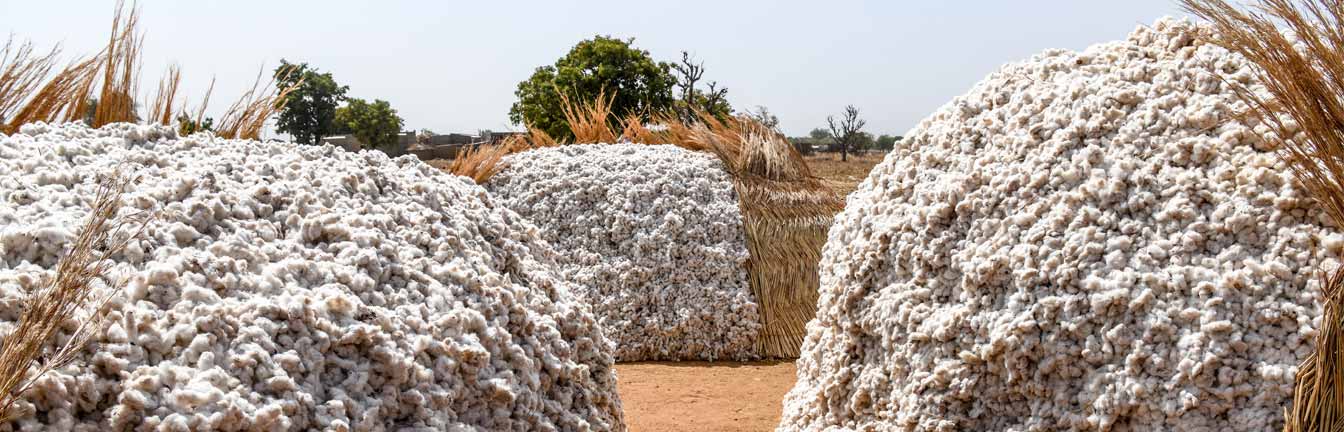
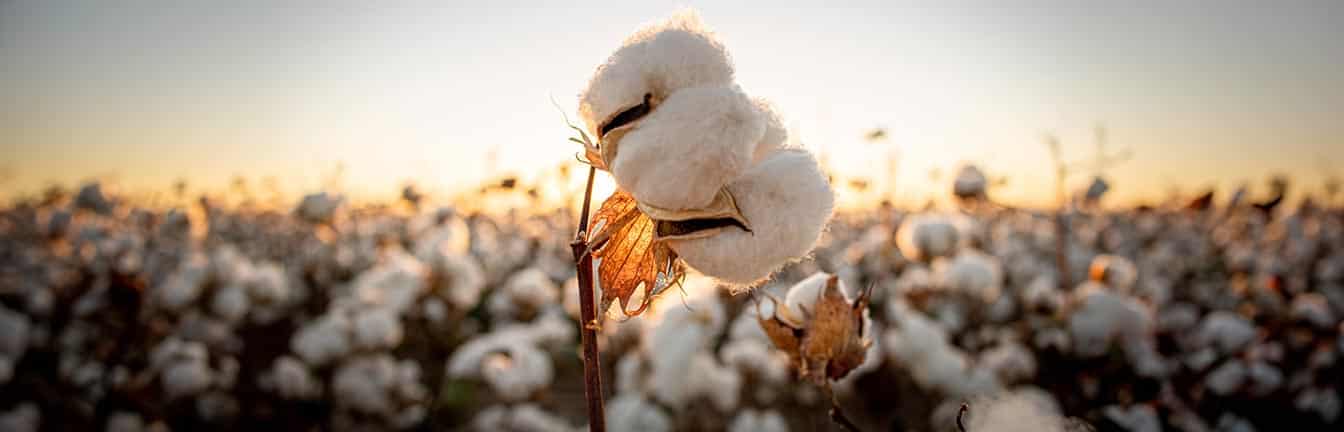
Agrotextile products come in various forms. Natural fibres such as cotton and jute were once the primary materials used in agriculture, but demand for greater tensile strength and weather resistance led to a shift towards synthetic textiles.
Synthetic materials, such as those made from polypropylene and polyester, provide greater resistance to environmental stressors, enabling them to last for multiple growing seasons. However, their reliance on petrochemicals and their non-biodegradability raises concerns about their environmental impact.
As these sustainability concerns become increasingly widespread, bio-based materials, such as those made from renewable plant sources or agricultural waste, are gaining traction. These bio-based textiles offer a more environmentally friendly alternative to both natural and synthetic options.
For example, chicken feathers and other poultry byproducts have been upcycled into agrotextiles. Feather-based materials possess unique properties due to their robust lightweight and durable honeycomb structure. In addition to this, agrotextiles made from feathers and poultry byproducts contain Keratin, which offers significant benefits for soil conditioning and plant growth. As agrotextiles break down, keratin-rich materials are released into the soil, serving as an excellent organic source of nutrients while also improving water retention, and supporting bioremediation efforts.
Agrotextile applications
Agrotextiles serve multiple functions: acting as physical barriers against pests, moderating environmental stresses, and protecting soil health.
Pest management
The control of pests is one of the oldest and most persistent challenges in agriculture. Left unchecked, insects and other pests can devastate entire crops and lead to significant losses, with global crop losses ranging from 20% to 40%, which equates to an economic loss of approximately $290 billion annually. Since the 1940s, pest control has relied heavily on synthesised chemical pesticides. However, overuse has led to significant environmental damage and pesticide resistance.
Crop covers, such as insect-proof mesh netting, have emerged as a way of combating this twin threat. These covers act as a physical barrier, preventing pests like aphids, beetles, and whiteflies from damaging crops while significantly reducing the reliance on chemical pesticides.
Climate resilience
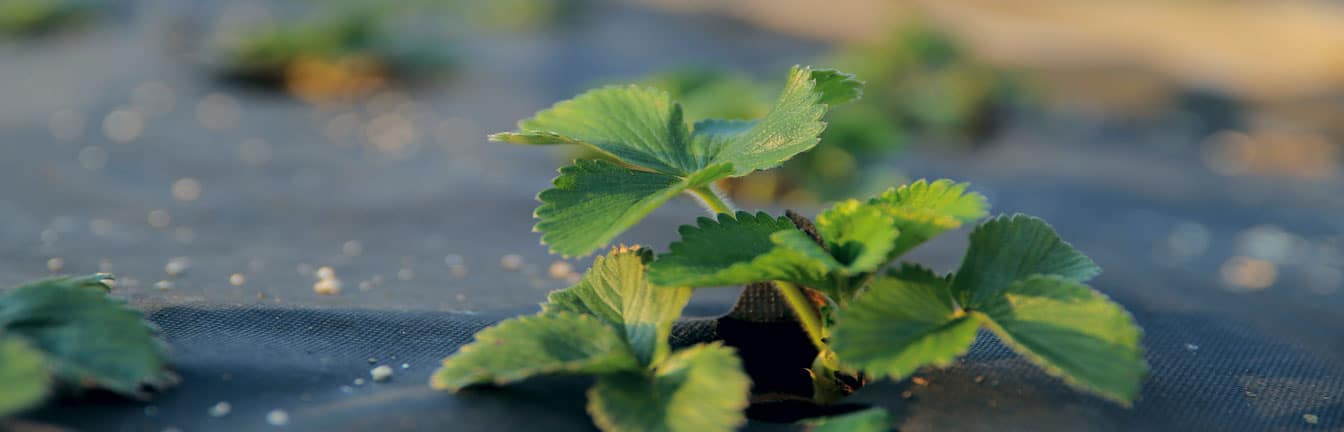
Agrotextiles can also help improve crop and soil resistance to climate-related stress. For instance, shade nets and thermal screens can moderate temperature extremes, protecting crops from frost damage by trapping heat during cold spells and preventing heat stress by providing shade during intense sunlight. Similarly, mulch mats and other ground covers can help conserve soil moisture by reducing evaporation during periods of intense heat; they can also help prevent excessive rainfall from waterlogging the soil.
As temperatures rise, unpredictable weather patterns emerge, and extreme events such as droughts and floods become more frequent. Agrotextiles will likely be called upon to mitigate environmental challenges by improving crop resilience to climate-related stress.
The variety and adaptability of these materials make them particularly valuable in addressing multiple climate threats simultaneously – from protecting against sudden temperature fluctuations to managing water availability. Research indicates that the strategic deployment of agrotextiles could help maintain agricultural productivity even as climate conditions become more challenging.
Soil protection
In addition to temperature and moisture regulation, agrotextile products can help control soil erosion. Natural textiles are often used to create erosion control blankets that stabilise the soil and retain moisture, supporting healthy crops in regions suffering from land degradation. This acts as a viable alternative to growing cover crops, which tend to compete for soil nutrients. It is also worth noting that some agrotextiles help improve soil aeration and drainage, which promotes healthy root development and nutrient uptake.
The future of agrotextiles
The future of agrotextiles looks promising, with ongoing research focused on improving the durability, sustainability, and performance of materials. This includes the development of bio-based and biodegradable textile products that not only minimise environmental impact but also offer greater durability and longevity.
At the same time, the rise of greenhouse farming and vertical agriculture is driving the demand for specialised agrotextiles that regulate temperature, humidity, and light within controlled environments. This trend will likely continue as the need for food production in urban areas becomes more pronounced.
Rapid population growth, rising food demand, and increasing agricultural activity in emerging markets such as Asia-Pacific and Latin America will drive greater use of agrotextiles in these regions. As will government initiatives aimed at boosting agricultural productivity and limiting environmental damage. Market analysts project particularly strong growth in countries like India, China, and Brazil, where agricultural practices are rapidly modernising.
Technological advancements could also have a significant impact on the use of agrotextiles. Although the integration of sensors, data analytics, and other technologies with agrotextiles is still nascent, it is a rapidly growing field. Already, smart agrotextiles embedded with sensors can monitor critical environmental factors like soil moisture, temperature, and humidity, enabling more precise and data-driven agricultural practices. As research and development in this area advances, the likelihood is that agrotextiles will transform from passive protective materials into active smart farming systems.
Building resilience in the face of climate change
Agrotextiles are an integral part of modern agriculture and are likely to play an ever more important role as climate change intensifies. As the agricultural sector continues to prioritise sustainability and resource efficiency, the adoption of innovative agrotextiles will be crucial in building resilience and securing global food production.
At Farrelly Mitchell, we bring a wealth of experience and understanding to the agriculture and agrotextile sectors. Our agribusiness consultants have amassed a wealth of expertise in agtech, agri-inputs regenerative agriculture, nature and biodiversity, and much more. We can help you address all your agrotextile needs and concerns, and are ready to provide insights on sustainable production, compliance, water management, and resource optimisation. Contact our team today to find out more.