
How the Strait of Hormuz’s closure is impacting fertiliser supply chains
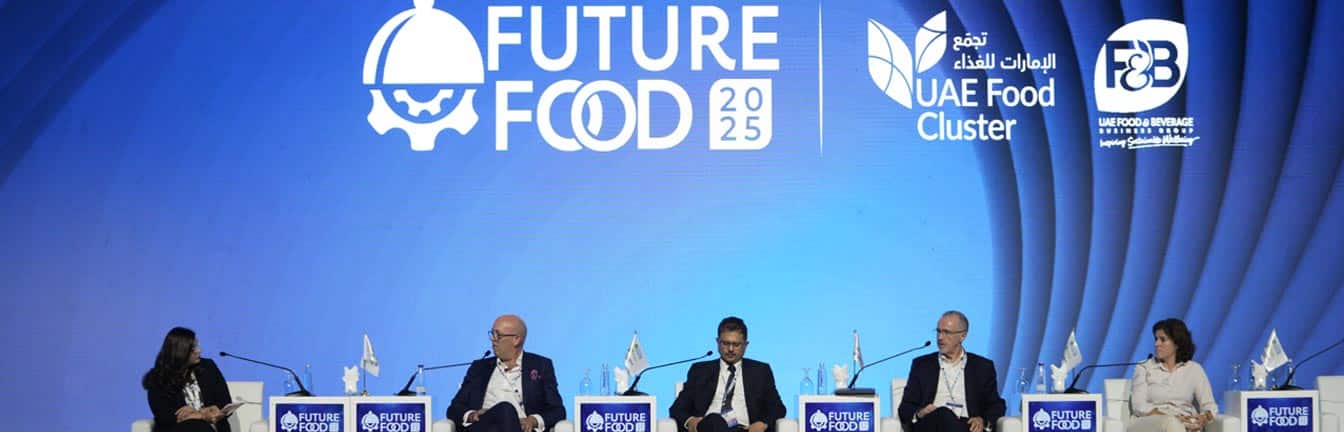
In this interview with Farrelly Mitchell’s regional director for Africa, Abah Ofon, on Dubai Eye 103.8, Abah discusses the ongoing geopolitical tensions in the Strait of Hormuz and the Red Sea and their severe impact on global fertiliser supplies and food security.
Key topics discussed include:
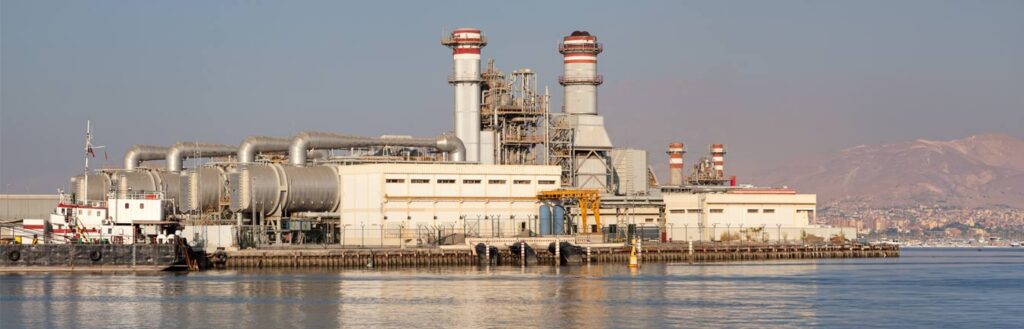
- The importance of the Strait of Hormuz: Abah explains that approximately 30% of the global fertiliser trade passes through the Strait of Hormuz. Any constraints or disruptions in this vital maritime passage have a massive ripple effect on global commodity prices.
- The impact on global agriculture: The timing of these disruptions is particularly concerning as Northern Hemisphere countries like the US and Canada are beginning their crucial spring planting seasons.
- What major importers are at risk: The Gulf region is a major producer and exporter of fertilisers, with countries like India and the US relying heavily on shipments passing through the Strait.
- The impact on prices: The cost of key fertilisers has jumped from around $450/ton to nearly $600/ton recently, largely driven by the ongoing war in Ukraine and the escalating tensions in Middle Eastern shipping lanes.
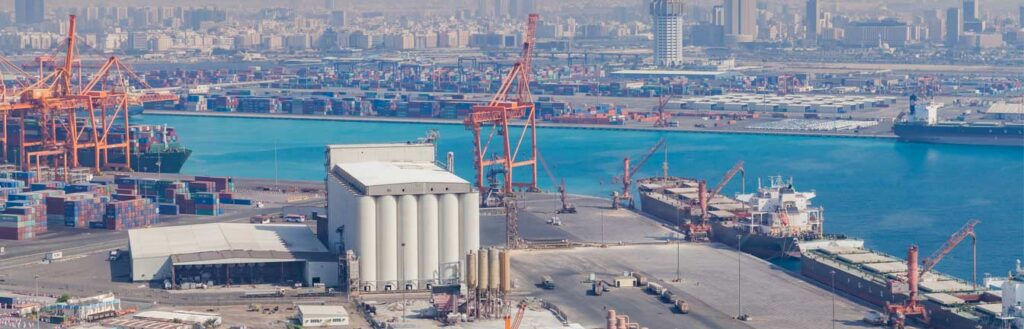
- The logistical challenges: With the Red Sea becoming increasingly unviable for safe passage, ships are being forced to take the much longer alternative route around the Cape of Good Hope. This drastically increases shipping times and restricts the total supply of fertiliser reaching farmers when they need it most.
The impact on insurance premiums: In addition to longer transit times, insurance premiums for vessels attempting to navigate conflict zones have soared, adding hundreds of dollars per container and further inflating the end cost of agricultural commodities.
Link to the video: