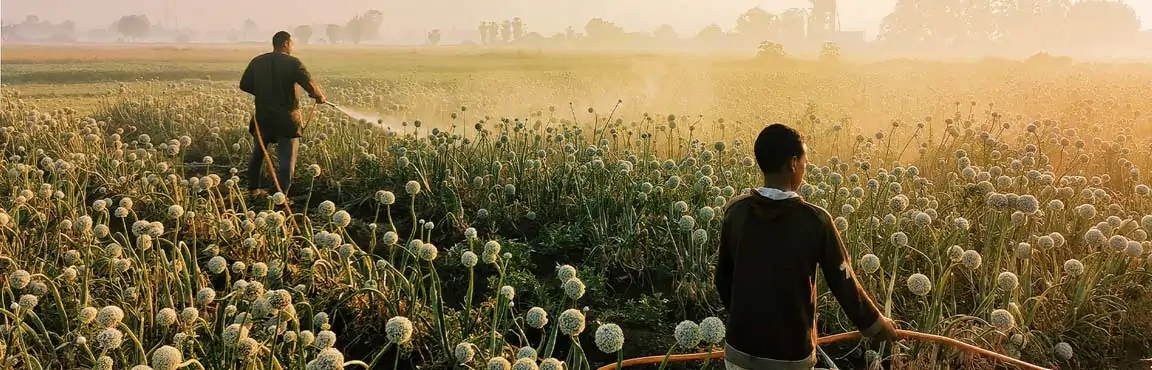
Agriculture in Egypt has been practiced for millennia; however, the country is now undergoing rapid change with a move towards sustainable agriculture and food systems. While many countries with desert climates struggle to establish strong agriculture sectors, farming remains a vital and thriving component of Egypt’s economy, providing numerous jobs in rural regions and constituting approximately 20% of total employment in 2019. Nevertheless, unsustainable agricultural methods, including overgrazing and monoculture farming, have led to soil deterioration, water shortage, and food insecurity among the populace.
The population of Egypt is projected to grow to 150 million by 2050, up from approximately 91 million currently. Concurrently, the economy is anticipated to expand by over four times its current size. Meeting the needs of this growing population represents a key challenge for Egypt’s farmers, researchers, and advisors. So how can AgTech companies help in developing sustainable agriculture and food systems within the country? Also, what role will the government play?
Many experts in agriculture look to AgTech
According to many agricultural experts, the use of precision agriculture in Egypt could significantly reduce water use, leading to more sustainable agriculture and food systems. AgTech solutions have the potential to decrease dependence on synthetic inputs, thereby minimizing pollution and safeguarding natural ecosystems. Additionally, AgTech solutions can also improve yields and reduce costs, resulting in increased income for farms and rural communities.
Precision agriculture is particularly beneficial in Egypt, where water scarcity is a significant challenge. It helps farmers optimize their water use, reducing waste and preserving essential water resources such as the Nile River. Yasser Ahmed, an expert in agriculture and a former professor at the Egyptian Agricultural Research Centre, has emphasized the importance of adopting hydroponics in Egypt as it conserves water and energy. Ahmed notes that hydroponic agriculture consumes 95% less water compared to conventional methods, and leafy crops require about 30% less water than traditional farming.
Other AgTech solutions are gaining traction, such as Mozare3, an AgTech company that utilizes artificial intelligence to connect farmers with markets and boasts over 3,000 users.
The Egyptian Government promotes sustainability and food security
Agriculture is a key contributor to GDP, bolstered by governmental initiatives to promote growth and food security, a comprehensive irrigation system, water recycling programs, and land reclamation efforts. Agriculture also employs a large share of the population – many of whom live in rural areas – making it a key vehicle for inclusive economic diversification.
In 2009, the government introduced the “Sustainable Agricultural Development Strategy Towards 2030,” outlining its plans to modernize Egypt’s agriculture sector. The strategy’s primary goals include promoting the sustainable utilization of natural agricultural resources, enhancing the productivity of these resources, elevating food security for strategic commodities, boosting the competitiveness of agricultural products in domestic and global markets, fostering a favourable environment for agricultural investment, and improving the living conditions of rural residents while alleviating rural poverty.
Investment in agricultural water management
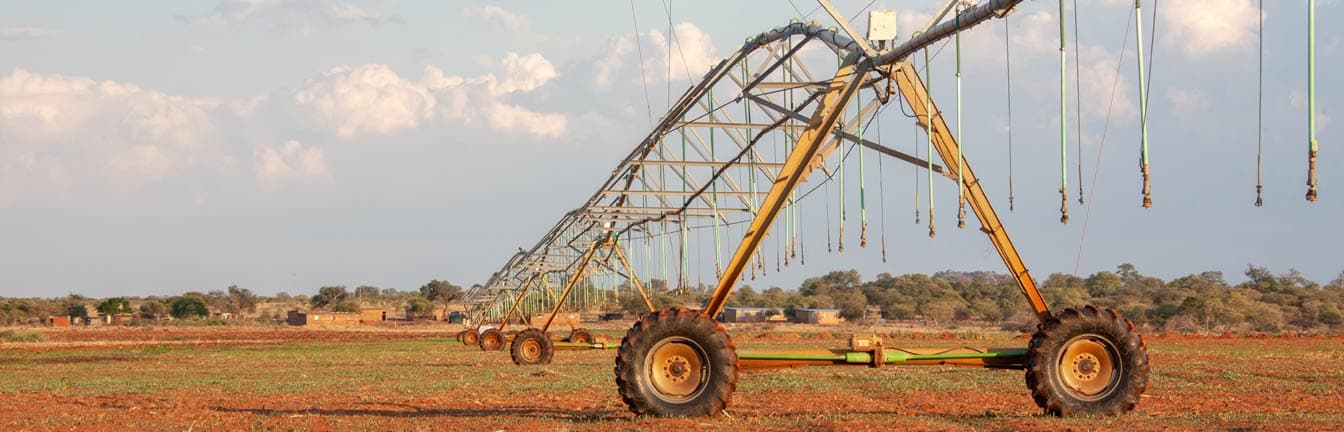
Irrigation is crucial for the majority of Egypt’s agricultural operations, making investment in enhanced agricultural water management essential. Among Nile Basin nations, Egypt possesses the most extensive irrigated area and utilizes approximately 90% of its water resources, underscoring the need to adopt more efficient methods of use. This is particularly important as climate change continues to intensify water scarcity issues.
The government is investing in desalination plants, groundwater extraction facilities, wastewater treatment plants, and technologies to help reuse treated water. Nearly 60 desalination plants are in operation, processing 440,000 cubic meters of water daily, and as of mid-2021, the country aimed to open an additional 39 plants. It is also working to modernize irrigation systems. Egypt is already home to the world’s largest wastewater treatment plant, Bahr El Baqar, which opened in September 2021. The site can process 5.6 million cubic meters of wastewater per day, enough to cultivate 140,000 hectares of land. Much of the water from the facility will be used for irrigation and fishing and will support land reclamation and cultivation initiatives. Even before the opening of the facility, the percentage of treated to total wastewater rose from 50% in 2015 to 68.7% in 2019. The El Hammam agricultural wastewater plant in Marsa Matrouh, set to come online by the second quarter of 2023, will have a capacity of 6 million cubic meters of wastewater a day, capable of irrigating 208,000 hectares of land.
The development of sustainable agriculture in Egypt is vital for food security, tackling climate change, and alleviating poverty in the nation’s rural areas. Investment in AgTech and infrastructure aimed at improving agricultural water management, in conjunction with government policies supporting sustainable agriculture and food security, are guiding Egypt towards a more sustainable future.
Get reliable insights and advice from our sustainability and food systems consultants
As sustainable agriculture consulting specialists, we understand the importance of developing sustainable agriculture and food systems, particularly in countries like Egypt, where the effects of climate change are hardest felt and the population is projected to grow significantly in the coming years.
As food security consulting experts, we help our clients address pressing concerns such as water scarcity and climate change by providing tailored strategies and solutions. Our sustainable agriculture research and Agtech consulting services provide valuable insights and support to clients navigating food policy issues and considering investment in agribusiness. Our agribusiness market research and food market insights enable clients to make informed decisions, ensuring that they stay ahead of emerging trends and challenges in the industry.
If you are looking for expert guidance on navigating the complexities of the global food and agriculture landscape, get in touch with us to learn how our agribusiness experts can help you achieve your goals.