
Food security experts are ringing the alarm bells across Europe as the cost of living crisis continues. High energy prices and inflation have pushed up the cost of food and other necessities, affecting millions of households. As countries scramble to address this crisis, price caps have emerged as the default response by many governments.
The common perception is that a recent dip in the cost of agricultural commodities and lower energy costs has not resulted in lower food costs, and that government intervention is needed to adjust this discrepancy. However, some economists and food security experts counter this view, asserting that the call for reduced prices overlooks the complex dynamics of the bullwhip effect in the supply chain.
The bullwhip effect: An agribusiness perspective
The pricing of agricultural raw materials forms the base of the Agri-food supply chain and can significantly influence the pricing of consumer goods further down the line. When the cost of these raw materials rises it naturally leads to an increase in the cost of production. This increase then typically gets passed down to the end consumer in the form of higher prices. However, it’s crucial to understand that this process isn’t instantaneous due to a phenomenon known as the bullwhip effect.
The bullwhip effect describes how changes in demand can cause larger fluctuations further upstream in the supply chain, with small movements at the handle of a bullwhip resulting in large movements at the opposite end. In the context of raw material pricing, this means that a surge in the prices of agricultural commodities can create delayed and amplified cost pressures at each subsequent stage of the supply chain. Consequently, the impact on consumer prices might not be felt immediately but could manifest over time, even long after the prices of raw materials have stabilized or decreased. This delayed reaction teamed with a tendency for consumers to remember price increases more vividly than decreases, could skew views on inflation, and adds further complexity to the economic dynamics of the cost of living crisis.
The current cost of living crisis: A rising tide
Our research indicates several main drivers of the current cost of living and food inflation crises which can be compounded by the bullwhip effect.
- Energy prices: Previous surges in gas and electricity prices have contributed heavily to the cost of production for many agribusinesses. This impact is particularly significant for the livestock sector, whose produce often takes months, if not years, to reach the market.
- Raw materials: Inflation is not limited to consumers but also has a substantial impact further down the supply chain. Given the extended nature of the agricultural cycle, the cost increases for raw materials such as seeds, fertilizers, and pesticides from several months ago will still need to be recouped.
- Labour: Restrictions and shortages of labour during the pandemic, compounded by subsequent wage increases due to inflation may continue to have a lingering impact on both the quality and quantity of food produced.
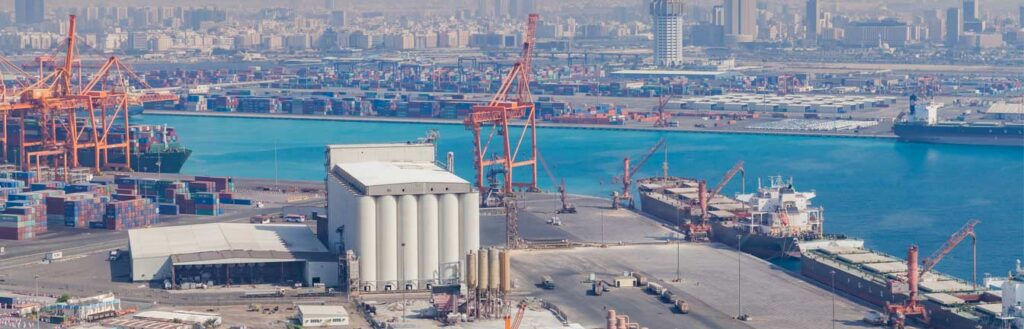
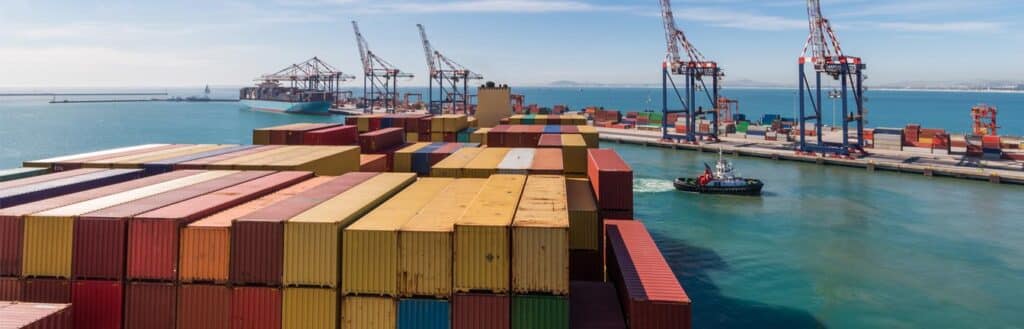
- Supply chain disruption: Various issues, including transportation difficulties, fluctuating demand, and price instability, have caused significant disruption in the agri-food supply chain. These factors have squeezed profit margins for producers and may have created shortages within the supply chain.
The inefficacy of price caps: A short-term solution?
To combat the crisis, some European governments have introduced price caps. This strategy is intended to shield consumers from the immediate impact of soaring prices, but from a food security and price stability perspective this could be a double-edged sword. Price caps are often seen as an immediate solution to price hikes. However, their long-term efficacy is debatable, with agribusiness and food security experts arguing that:
- They may discourage investment: If energy companies or food producers can’t achieve a certain profit margin, they might reduce investment in production or research and development, potentially leading to supply issues down the line.
- They can distort the market: By artificially suppressing prices, price caps can create imbalances in the market, potentially leading to supply shortages and reduced quality of goods.
- They don’t address root causes: Price caps treat the symptoms of the crisis rather than addressing the underlying issues.
Beyond food prices: Systemic barriers to food security
It is also important to note that while price caps might provide some immediate relief, a holistic approach that addresses systemic barriers is needed to ensure food security for all in the long term and that the following systemic barriers will need to be tackled:
- Income inequality: The affordability of food isn’t a local issue; it’s a global one. While price caps in wealthier nations might temporarily reduce food prices, individuals in lower-income countries could continue to face significant challenges in accessing affordable food. Ultimately, global strategies aimed at reducing income inequality will be essential to enhancing food security on a worldwide scale.
- Food diversity: Price caps often target staple food items and may not ensure access to a suitably diverse range of foods, including fruits and non-staple food items.
- Climate change: Global warming poses the most significant challenge to food production globally. Left unchecked, its impacts will cause unpredictable fluctuations in food availability and prices both now and in the future.
- Agri-food supply chains: Recent events, such as the conflict in Ukraine and the COVID-19 pandemic, have exposed vulnerabilities in global agri-food supply chains. These disruptions, coupled with protectionist policies exacerbate food insecurity by limiting the availability and increasing the cost of food items.
Farrelly Mitchell: Agribusiness and food security experts
Our global team of agribusiness consultants offer critical insights into the complex challenges associated with food security and the agri-food supply chain.
As established experts in sustainable supply chains, our agribusiness consultants provide governments, Development Finance Institutions (DFIs), large agribusinesses, investors, and other clients with a unique understanding of the underlying issues in food supply chain management and logistics.
Our food systems consultants collaborate with government agencies and affiliates to effect and support initiatives in areas such as food subsidies, pricing, production, training, strategy, operations, and progrm design and implementation. Our commercial and technical team assists agribusinesses in navigating the nuances and challenges that affect their acquisitions and operations.
Get in touch to learn how our agribusiness experts can help you transform your challenges into opportunities and together, we can combat the social, environmental, and economic factors that impact our industry.