
Background
The client for this project was a multilateral development bank that supports governments with policy, institutional and regulatory reforms, including stronger food safety systems.
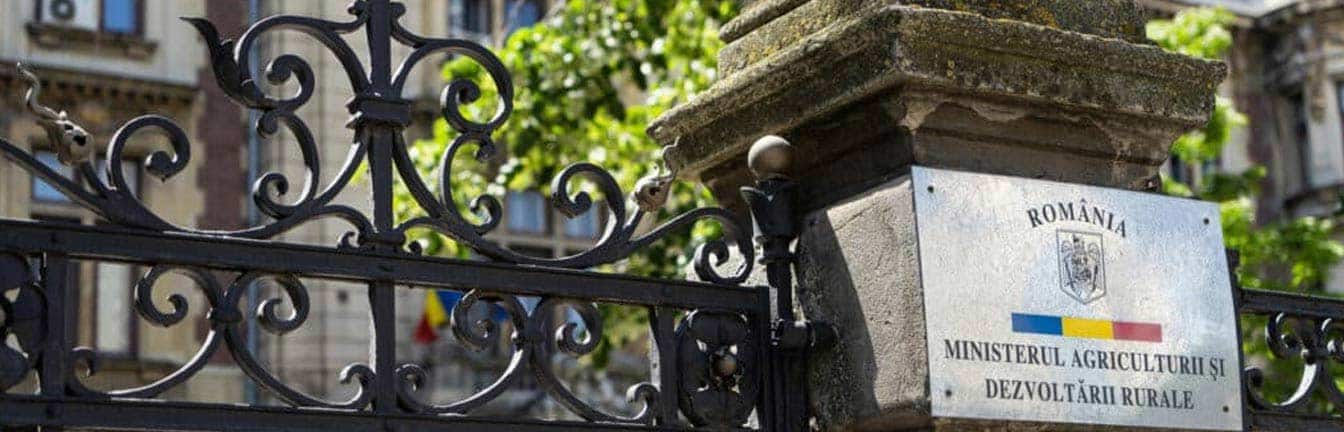
In this engagement, the client was supporting the agriculture ministry of an EU member state to evaluate its legislation on agri-food traceability, quality, integrity, crisis management and food waste, and to recommend adjustments ahead of new EU sustainability initiatives.
Problem
Food systems around the world are under pressure to become both safer and more sustainable. In the European Union, a strict body of food safety, traceability and official controls law is being joined by ambitious new sustainability targets under the Farm to Fork strategy, from cutting food waste to improving transparency. Member states must transpose and enforce these rules consistently while helping businesses comply. The host country is a case in point. It had a well-developed control system to ensure the safety and authenticity of food, but some key EU regulations had not been fully transposed, and responsibilities were shared across several authorities. For the client, these trends presented both an opportunity and a challenge.
Despite a solid foundation, the authorities lacked a comprehensive view of how their legal and regulatory framework measured up against EU requirements and best practice. They needed to understand where transposition was incomplete, how effectively official controls, sanctions, crisis planning and risk assessment worked in practice, and how new EU initiatives would affect them. They also needed to know whether the priority lay in new legislation, amendments or better implementation and enforcement. Growing online sales and increasingly sophisticated food fraud added further pressure on enforcement. Without this, the country risked gaps in consumer protection and falling behind on EU sustainability goals.
Solution
Farrelly Mitchell was engaged to conduct a legal and regulatory review of the agri-food sector. Drawing on legal and regulatory documents and consultations with government and industry stakeholders, we:
- Reviewed the legal framework and its harmonisation with EU legislation.
- Assessed rules on traceability, crisis management, food waste and digitalisation.
- Examined the official controls framework, authorities’ roles and sanctions.
- Tested how rules worked in practice, from inspections to crisis planning.
- Explored scenarios arising from new EU food system sustainability initiatives.
- Compiled international best-practice case studies.
- Developed legislative and non-legislative recommendations in a time-bound plan.
- Presented findings at stakeholder dissemination workshops.
Impact
The regulatory review delivered by Farrelly Mitchell provided the client and national authorities with a clear, evidence-based roadmap for strengthening the agri-food regulatory system.
The review confirmed the country’s strengths in food safety, traceability, controls and food waste prevention, while pinpointing priority gaps. The EU regulation on official controls, which strengthens powers against food fraud, did not appear to have been transposed, sanctions were not fully aligned with EU provisions, and overlapping responsibilities called for a formal agreement between authorities.
The scenario analysis helped the authorities understand how new EU sustainability initiatives would affect them, including the case for a flexible, risk-based approach that keeps requirements proportionate for low-risk businesses.
The recommendations gave the authorities a time-bound plan grouped into six impact areas, from closing transposition gaps and improving official controls to advancing digitalisation, fostering compliance and supporting the competitiveness of the agri-food sector.
Forge ahead with Farrelly Mitchell
Overall, the engagement equipped the client and government partners to build a safer, more sustainable, more competitive food system, offering a blueprint for regulators aligning food law with international standards and showing how the rigorous, data-driven advisory we deliver at Farrelly Mitchell supports high-value investment decisions. Our global presence and deep local market expertise enable us to provide insights that go beyond surface-level market overviews to deliver genuinely actionable strategic guidance.
Our comprehensive suite of advisory services includes regulatory and policy analysis, food safety systems, traceability, institutional development, and sustainability strategy. To explore how Farrelly Mitchell can support your organisation’s strategic objectives in food and agriculture, wherever you operate, contact our team today.


