
Covid-19 and the Russia-Ukraine conflict are significant events driving food supply chain disruption across the globe. Whilst Covid-19 has subsided in many countries, continued lockdowns and restrictions within China continue to cause disruption in China and beyond. At the same time, the Russia-Ukraine war continues to disrupt the production and supply of key agricultural commodities and contribute to growing fears of food insecurity.
How have Covid-19 and Russia-Ukraine war impacted the global food supply chain?
Covid-19
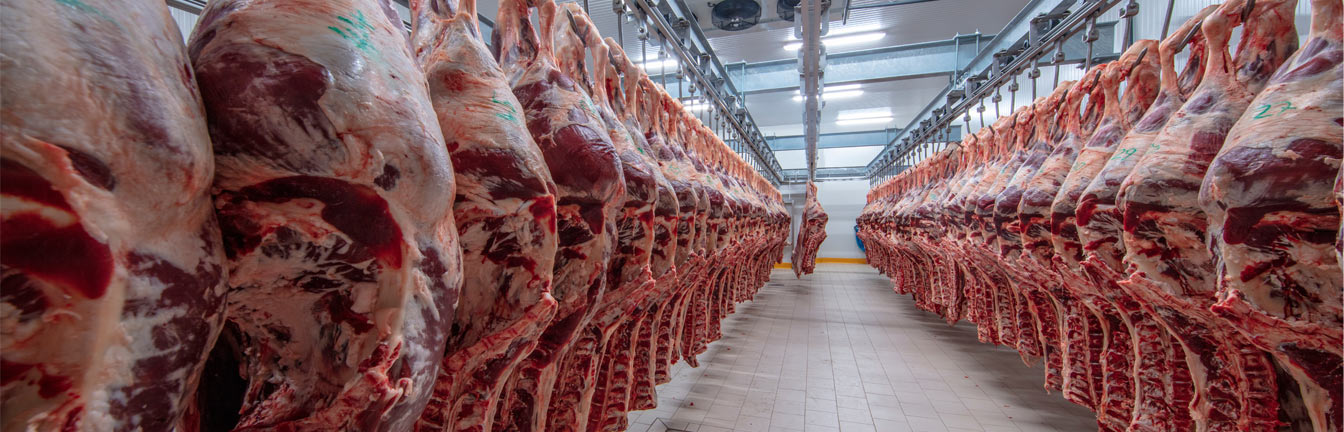
The Covid-19 pandemic led to a range of impacts on food supply chains. This included initial panic-buying of essential products by consumers leading to empty store shelves. There were also significant disruptions from workforce outbreaks of Covid-19 in the meat processing sector and fruit and vegetable production. According to the US Centers for Disease Control and Prevention, 9% of US meat plant workers were infected with Covid-19 from late March to May 2020, with outbreaks occurring at 239 meat and poultry processing facilities.
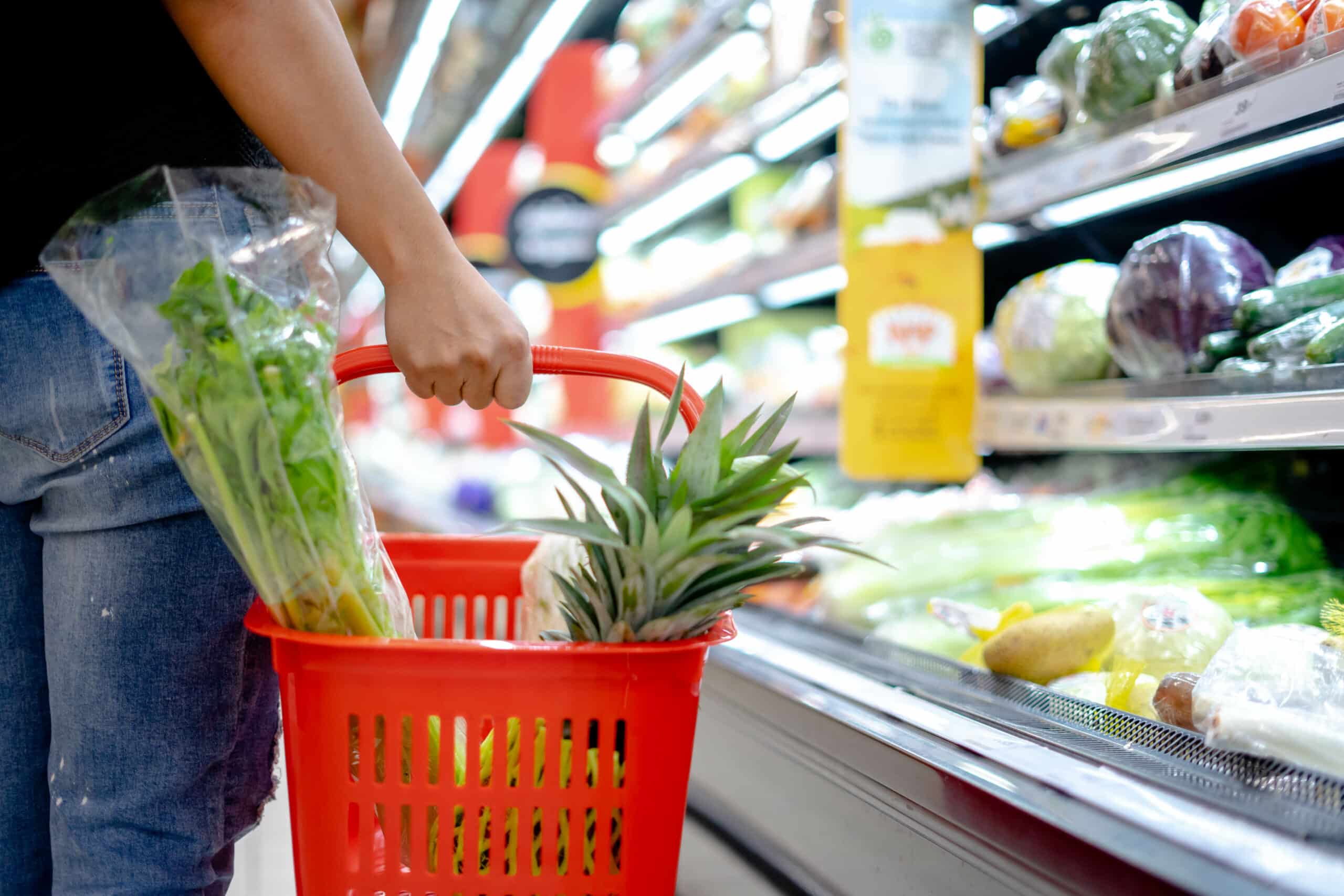
The most significant of these was the sudden shift from food service to food retail as people avoided restaurants and public venues over fears of infection, and governments-imposed lockdowns in a bid to curb the spread of the virus. Food supply chains geared up to supply the food service sector needed to quickly adopt different products, pack sizes, and distribution channels more suitable to retail supply chains. For example, the demand for chicken wings popular in restaurants plummeted and the demand for breaker eggs (used in processing) also dropped significantly.
In the dairy sector, consumers remaining at home and the temporary closure of cafés saw large declines in the demand for cream and cheese, which were only partly offset by increases in demand for household dairy products such as yoghurt, butter, and fluid milk.
The Russia-Ukraine Conflict
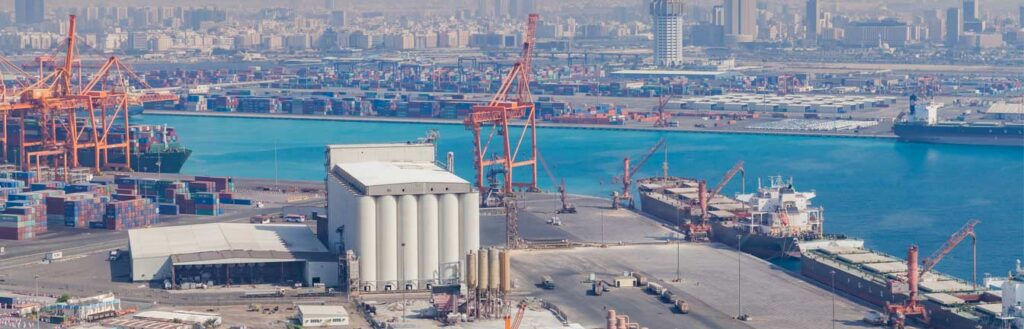
Russia and Ukraine are key suppliers of agricultural goods to regions including Europe, Asia and the Middle East, and the conflict could have devastating effects on global supplies. Together, these two nations account for more than 25% of the world’s trade in wheat, about 20% of corn sales, and 80% of sunflower oil exports. Wheat prices have reached the highest level in the last 13 years. Despite a recent agreement to allow the export of grain through the Black Sea ports and shipments by rail remain very much reduced.
What are the important lessons for the food supply chain as a result of the pandemic and war?
The common denominator for all industries throughout the Covid-19 pandemic and The Russia-Ukraine war has been uncertainty. But for the food chain, this unpredictability also extended to consumer behaviour. Brandon Barnholt, President, and CEO of KeHE Distributors®, a Naperville, Illinois-based distributor of fresh, natural, organic, and speciality foods has talked about the uncertainty.
Specifically, how quickly both supply and demand can change,” he said. “A lot of times one predicates the other in a normal market, [but] this was not a normal market. We saw incredible swings in supply and demand that were independent of each other.
Covid-19 restrictions varied in their timing and severity from country to country. This led to geographical shifts in supply and demand, which in turn created problems for finely tuned global supply chains. The pandemic illustrated how a shock in one country can have a ripple effect across the globe and how a single event can simultaneously impact multiple countries and points along the supply chain. Pre-pandemic trends such as increasing online shopping and driver and other skill shortages were exacerbated and created real problems.
Modern food supply chains are complex and external shocks cannot now be seen as one-off events. Resilience is the ability to maintain core functions but also adapt to changing conditions. There are inevitable lags in the ability of food supply chains to respond to these shocks due to the biological nature of food production systems. Differences in the lengths of breeding cycles (short for broilers, long for cattle), and seasonal cropping patterns, result in different speeds of adjustment across commodities. The perishable nature of many food products is also a constraint.
Food supply chains are also showing increasing vulnerability to environmental shocks such as extreme weather events, plant and animal disease as well as climate change.
How can we improve resilience in the food supply chain?
Investments in adaptability and flexibility can provide increased resilience and allow a faster response in the face of disruptive events. Companies across the supply chain are increasing investment in automation and digitalization, while investments in infrastructure for online delivery services have permanently altered the food retailing landscape.
This includes innovations such as big data, the Internet of Things (IoT), Artificial Intelligence (AI) and blockchain. There is a role for food policy. In Europe, proposed changes to the policy in light of Covid-19 include:
- Expanding and improving emergency food assistance e.g., food banks;
- Giving small farmers support to improve productivity and embracing e-commerce;
- Improving trade and tax policies to keep global trade open.
The world is entering a period of great economic, environmental, and political uncertainty, and shocks to global supply chains are likely to become increasingly frequent. Businesses within the food supply chain need to invest to become more agile and build resilience to changing market conditions and growing risks.
International food supply chain experts
The Ukraine war and its subsequent impact on food security has highlighted the vulnerabilities of food systems and the urgent need for greater global resilience. While the industry’s response to this disruption has been swift and, in many ways, effective, these reactive interventions still fail to address challenges absolutely, underscoring the need for more proactive, sustainable, and inclusive strategies to fortify food systems against future shocks.
At Farrelly Mitchell, our global network of agribusiness experts holds deep insights into emerging trends, shifting markets, and evolving regulatory demands. We leverage our industry-leading insights to support government agencies and private businesses in safeguarding their operations and establishing more resilient food systems.
Our food safety and food security consultants have a unique birds-eye perspective on how social, political and environmental events can have an impact on the global food supply chain, and we devise tailored strategies to our clients to navigate these risks and turn them into growth opportunities. Get in touch to learn how our industry experts can help.