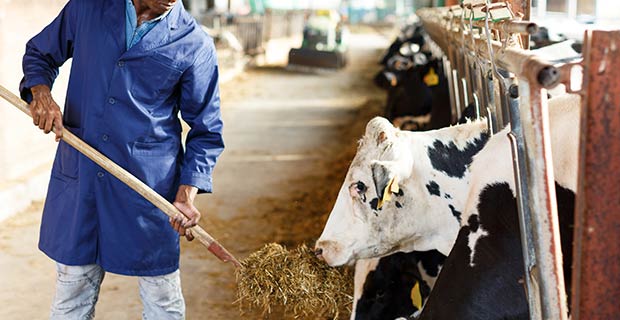
The majority of the world’s farming is small-scale agriculture. According to the FAO, there are an estimated 600 million smallholder farmers around the world – constituting a significant portion of the agricultural labour force, especially in developing countries. The development of smallholder farming is pivotal, not only because it produces a substantial proportion of the world’s food supply, but also because it sustains rural economies and contributes to national food security.
Despite their crucial role, smallholder farmers and small-scale operators often face extreme adversity. They are frequently located in developing regions, face limited opportunities for commercialisation or growth, and suffer from poor infrastructure, limited access to markets, credit, and modern technologies. Furthermore, they are particularly vulnerable to the impacts of climate change, market fluctuations, and regulatory reforms.
Download our empowerment brochure
Reducing the technological and financial divide by supporting agricultural development initiatives across the globe.
Building capacity among smallholders could prove critical to tackling environmental, social, and economic challenges. Through external investment, governments and larger enterprises can empower smallholders and capitalise upon their growth. This approach offers numerous benefits for all parties:
Benefits for smallholders:
Equipping smallholders with tools, infrastructure, and information can boost on-farm yield and efficiency. Ultimately this can enhance income, raise families out of poverty, improve regional food security, and protect farms from the threat of climate change and economic shocks.
For governments, NGO’s and DFI’s, investing in smallholders can boost economic growth, reduce food imports, and stabilise national economies. Empowered smallholders and SME’s can address rural poverty, promote self-sustaining rural economies, and encourage social stability by curbing urban migration.
Private investors gain access to diverse suppliers, reducing supply chain risks and tapping into enticing new markets and products. Furthermore, sourcing products from smallholders is both sustainable and ethical, generating brand and corporate value.
We help smallholder farmers transition from small-scale local producers to commercialised and profitable businesses.
Our expertise
At Farrelly Mitchell, we believe in the transformative impact that smallholders and SMEs can have on the food supply chain and the wider agrifood industry. Our consultants have extensive experience nurturing the growth and development of smallholder farmers and SMEs. We work alongside governments, NGOs, and private investors to introduce modern technologies, promote sustainable practices, and connect small-scale businesses with global markets.
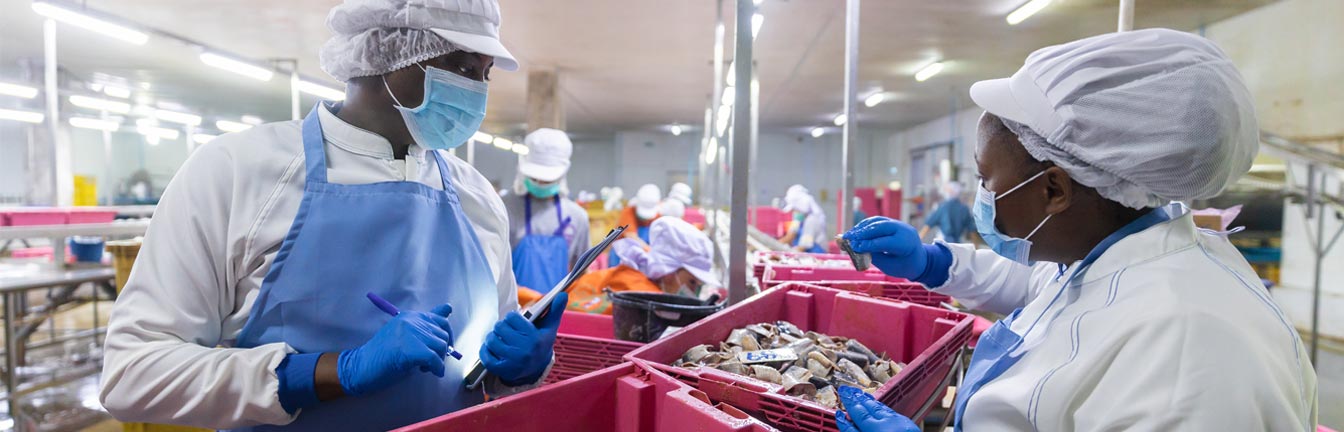
Absa Bank Ghana is committed to promoting sustainability in SME business growth, nurturing profitability, and fostering employment creation across Ghana.
Explore our FAQ for answers to common agribusiness queries. Can’t find your question? Contact our expert team for tailored assistance.
What crops do smallholders grow?
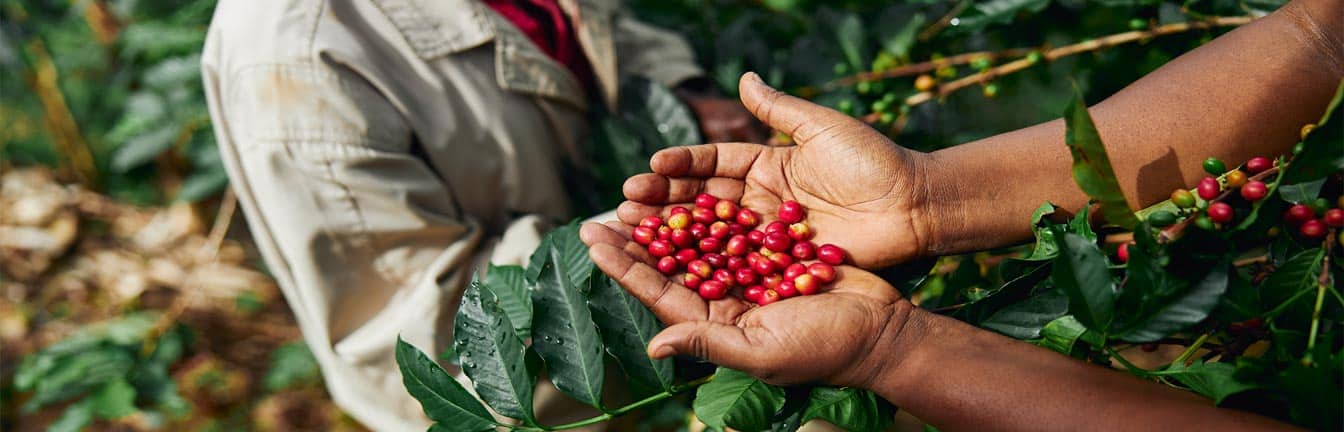
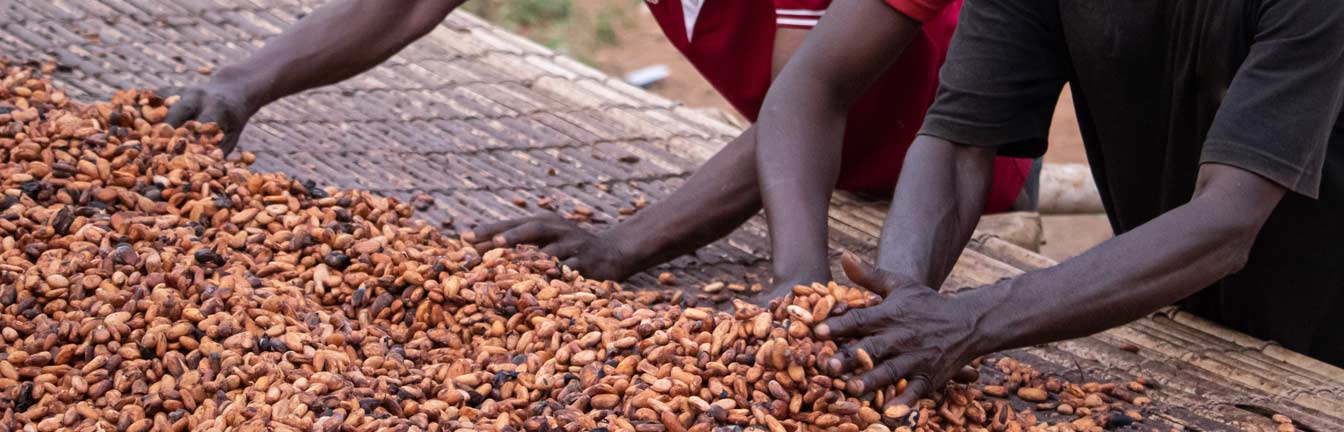
Smallholder farmers grow a diverse range of crops, including staples like rice, maize, and wheat, and cash crops like coffee, cocoa, and vegetables, adapting to local demands and conditions.
What challenges do smallholders face?
Smallholders face challenges like limited access to finance, market information, and technology. These barriers hinder their productivity and ability to benefit from smallholder farming.
How much food is grown by smallholders?
Smallholder farmers produce about 80% of the food consumed in Asia and Sub-Saharan Africa. This highlights their critical role in the global food system.
Why are smallholder farmers important?
Smallholder farmers are vital for food security and poverty reduction. They contribute significantly to the agricultural sector, often requiring tailored smallholder services for sustainable growth.
How many smallholder farmers are there?
There are approximately 500 million smallholder farmers worldwide. They play a crucial role in smallholder farming, especially in developing countries.
Our consultants explore why proving additionality is so difficult in African agro-industrial investments, and what a credible standard of proof requires.
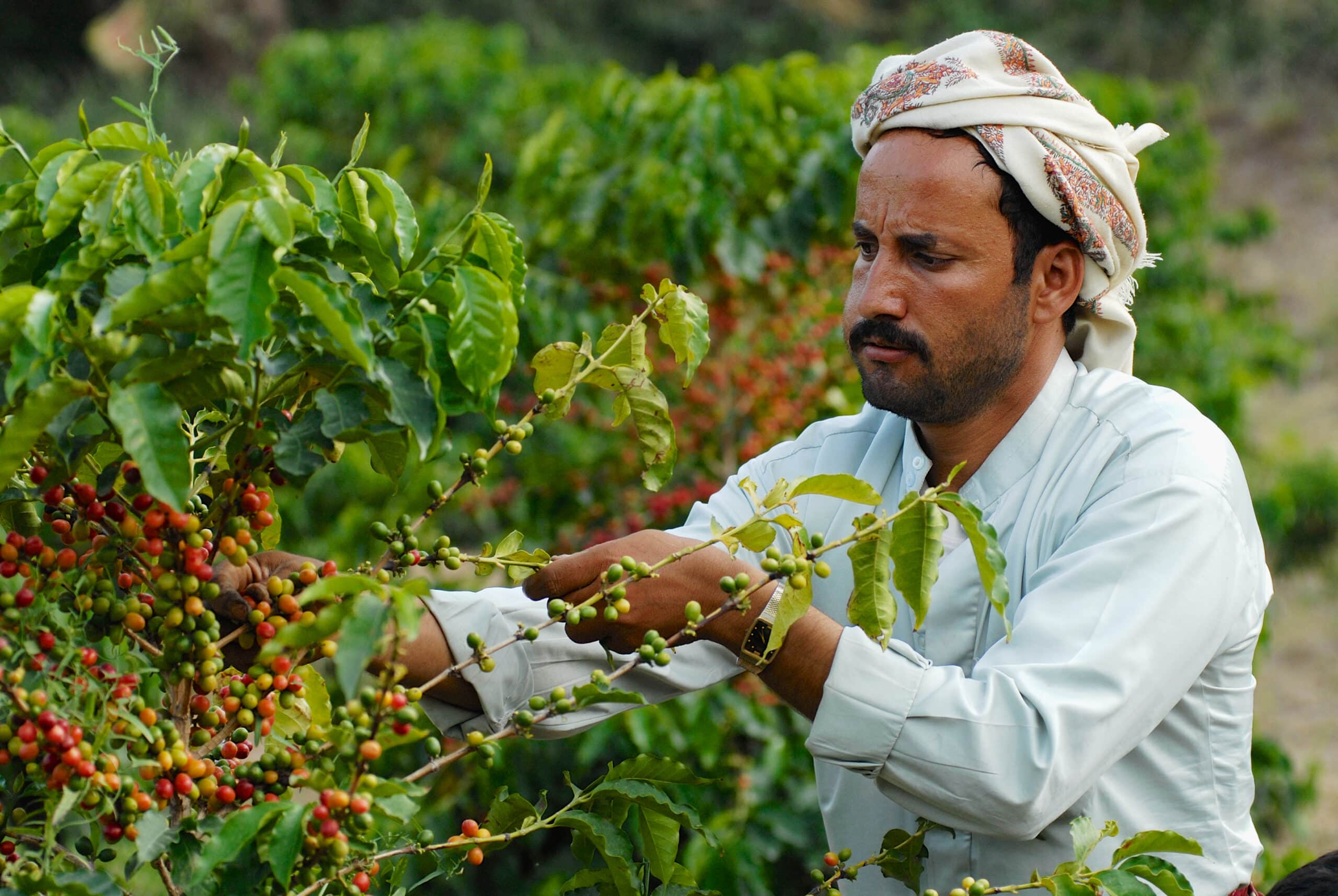
Despite all of its challenges, Yemenia coffee is exhibiting great market potential, owing to its unique genetic resilience, exceptional quality and premium flavour profile.
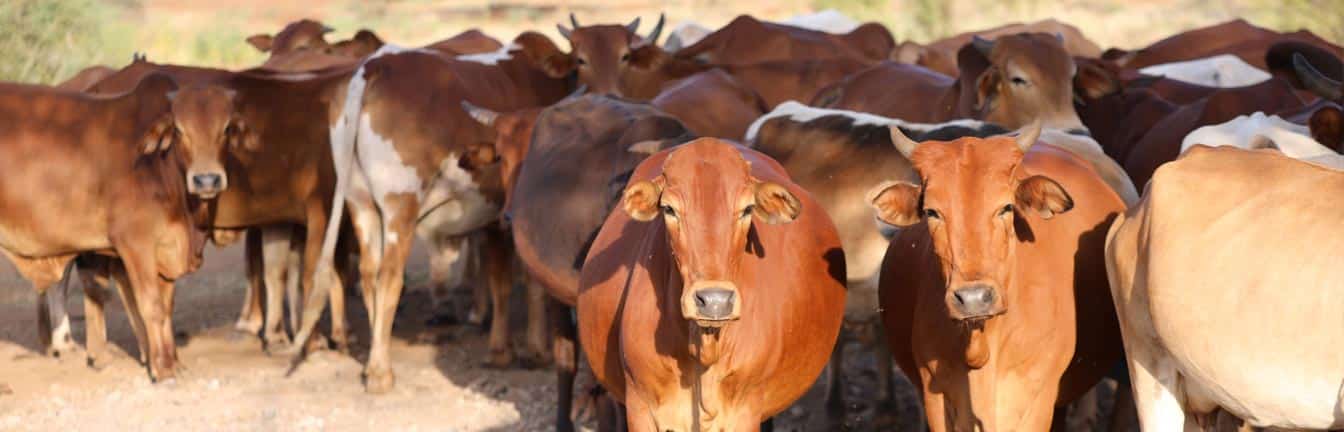
Discover how cattle breeds in Zimbabwe compare on fertility, calf survival and growth, and why indigenous stock outperforms exotics on natural rangeland.
Agro-food parks drive agricultural modernization by providing infrastructure, facilitating knowledge transfer, and connecting smallholder farmers to markets. Our experts discuss how these parks enhance agribusiness networks, boost rural development, and promote sustainable farming practices.
Our African agribusiness advisors discuss the challenges faced by smallholder farmers in Africa and how the Living Income Differential (LID) is reshaping the region’s cocoa industry.
Our approach is built on a deep understanding of the challenges that smallholders and SME’s face. We act as trusted partners to governments, NGOs, and agribusinesses who seek to build smallholder capacity and drive sustainable agricultural growth. To benefit from our tailored insights and enhance smallholders’ prospects, talk to our agribusiness experts today.