Africa grows a large proportion of the world’s cocoa and cashew supply, and coffee, yet processes almost none of it. This leaves export earnings exposed to swings in global commodity prices, allowing much of the value created by grinding, roasting, packaging and branding to be captured by processors and manufacturers elsewhere. To combat this, a growing number of governments now treat domestic processing as a central part of their agricultural and industrial strategies.
Several African countries have already begun to invest in processing capacity and develop policies that capture more value from their crops. This article examines where value is currently won and lost, the opportunity presented by regional demand, what recent efforts in cashew and cocoa processing show about what works, and what this means for agro-industrialisation in Africa.
Where value is won and lost
The gap between growing a crop and capturing its value is stark. African countries account for around 75% of global cocoa production, however, the continent receives an estimated 6% of the total value of the global chocolate market. In Côte d’Ivoire, finished chocolate makes up just 2.4% of cocoa-related exports, even though cocoa and its derivatives account for 30% of the country’s total exports.
Ethiopia’s coffee sector follows a similar pattern. The country earned around USD 3 billion in 2025/26 from coffee exports. However, Ethiopian coffee is exported predominantly as green beans, and the government’s target of doubling export earnings to USD 6 billion by 2031 rests largely on raising yields.
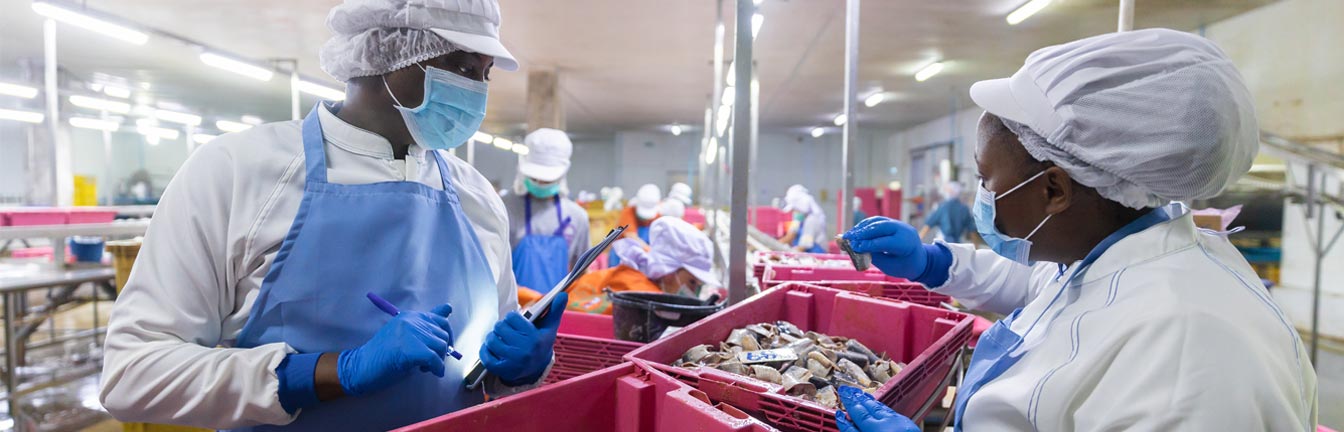
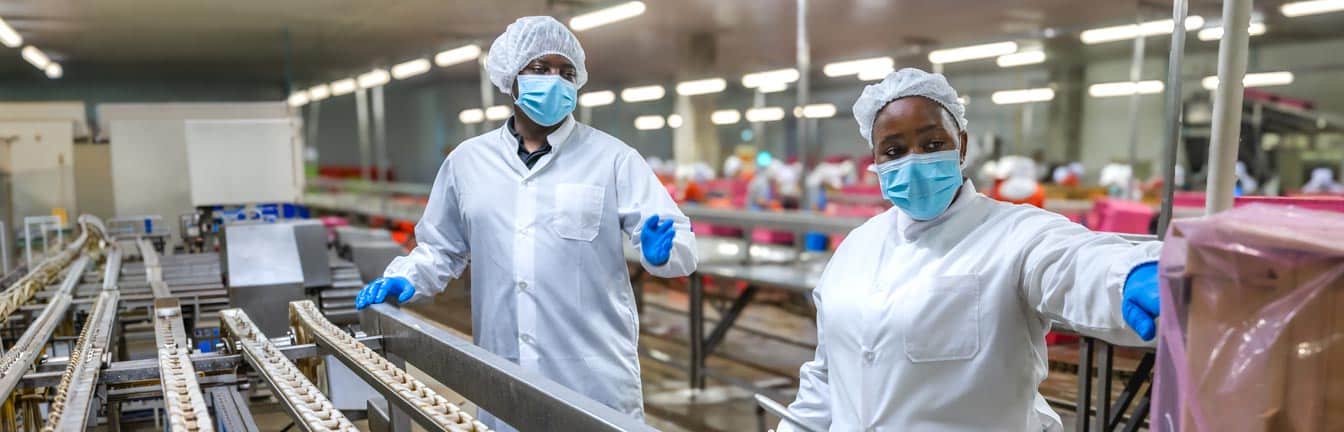
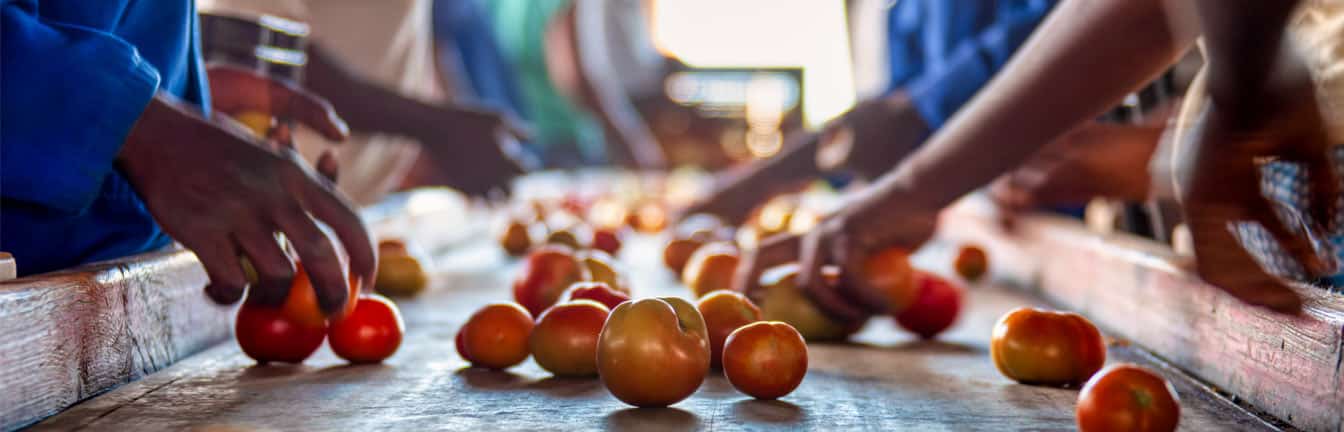
This dependence on raw commodities closely ties national income to international price cycles and limits the number of jobs that each tonne of produce can support. In contrast, domestic processing and agro-industrialisation can significantly boost returns, create rural employment, reduce post-harvest losses, and give producers access to more stable markets.
African potential and regional demand
Africa’s own demand for processed food represents a significant opportunity for processors. The FAO estimated that Africa spent USD 65 billion on food imports in 2025, a substantial amount of which was on edible oils, sugar, and beverages. The African Continental Free Trade Area (AfCFTA) is intended to make it easier for local processors to serve these markets. However, with intra-African trade only accounting for around 15% of the continent’s total trade, there is considerable scope for growth.
It is also worth noting that many importing markets apply higher tariffs to processed products than to raw ones. This has historically discouraged agro-industrialisation in producing countries. However, under the AfCFTA, trade within Africa’s regional economic communities increasingly faces lower or no tariffs on processed goods, so regional markets may offer a more accessible outlet for finished products such as packaged foods, confectionery, and roasted coffee.
How policy and processing zones have supported cashew and cocoa production
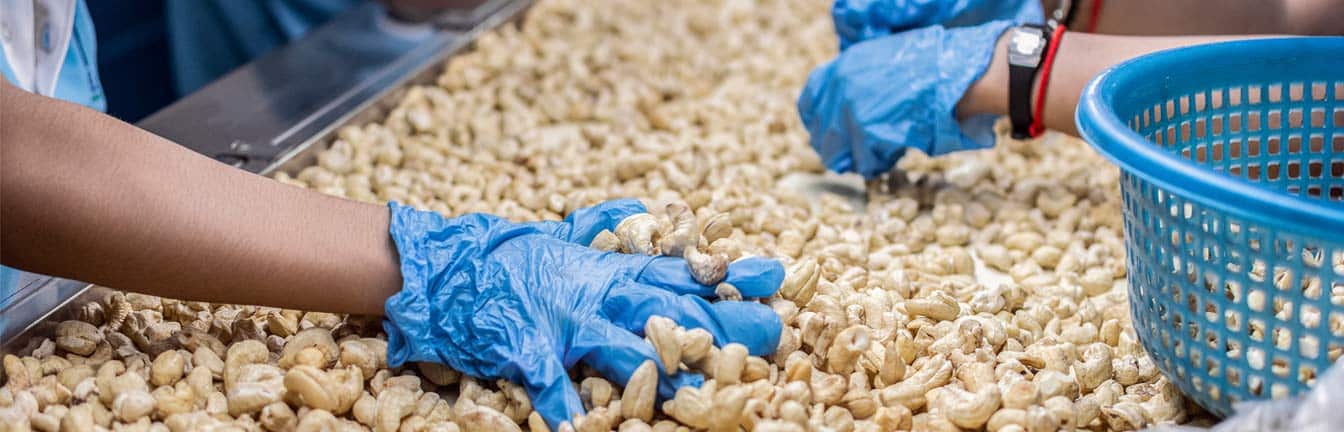
Cashew offers a clear example of what a sustained agro-industrialisation policy can achieve. Côte d’Ivoire is the world’s largest producer of raw cashew nuts, yet in 2015 it had just 68,515 tonnes of processing capacity and exported most of its crop raw to Asia. Over the following decade, the government invested in processing capacity, farmer support, and finance. These investments have changed the sector considerably, and the country now processes around 600,000 tonnes a year. Cocoa processing has grown in a similar way. Côte d’Ivoire is now the world’s largest cocoa grinder, with the USDA estimating that it ground around 800,000 tonnes of cocoa in 2024/25.
In Africa, Special Agro-Industrial Processing Zones (SAPZs) have been key to the development of these industries, with the African Development Bank and its partners having committed more than USD 3 billion to SAPZs across more than 11 countries. By improving processing, aggregation, storage and distribution systems, SAPZs can bring producers, processors and logistics providers together and lower the cost and risk of setting up processing facilities in rural areas. However, these initiatives are not without their limitations.
Processors need substantial working capital to buy raw materials, but local banks tend to favour financing bean exports because of their shorter cycles. Even where finance is available, loans for manufacturing projects can carry interest rates in the high double digits in some markets. In an effort to accelerate local processing, some governments have turned to more direct interventions which can deliver quick gains but may carry longer-term costs. For instance, in 2024, Benin banned raw cashew exports, which doubled processing to a record 50,000 tonnes in 2025 but also led to a surge of supply into informal channels, with an estimated 70% of the region’s raw cashew harvest being routed through regional borders.
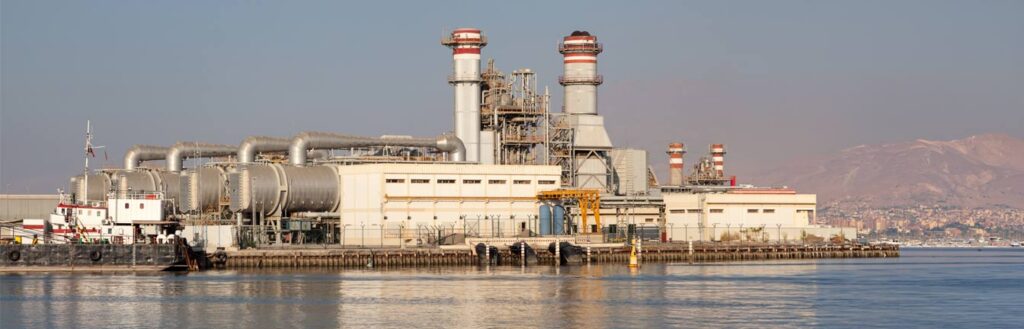
Energy poses similar challenges. Energy can account for 30–40% of production costs for food processors. These costs make it difficult for African processors to compete with established facilities in Asia and Europe, even when raw material is available close to their plants. For instance, in Nigeria alone, manufacturers spent an estimated USD 1 billion on generating their own power in 2025.
What this means for agro-industrialisation in Africa
Naturally, none of what has been described above is likely to work in isolation, and each depends on local conditions. SAPZs are only likely to succeed where there is sufficient raw material and feedstock in the catchment area to support local processing. For policymakers, the challenge is more than just ensuring measures are in place to secure raw material for local processors but also that access to working capital, reliable power and dependable market outlets are in place. This, in turn, is likely to open up opportunities for large-scale investors and operators in later-stage processing, distribution and the export of processed and branded goods internationally.
The recent growth in cashew and cocoa processing suggests that the shift from raw exports to processed goods is achievable where policy, finance and infrastructure are developed together. However, the decisions taken over the next few years are likely to determine whether these early gains translate into durable agro-industrial sectors.
At Farrelly Mitchell, our agribusiness and food processing experts provide strategic, technical, and commercial expertise to help agribusiness owners and managers make informed decisions and achieve sustainable growth. Whether you are a processor seeking to enhance operational efficiency, an investor evaluating opportunities, or a policymaker aiming to strengthen food security and industrial development, our agribusiness consultants can deliver targeted and tailored solutions grounded in deep industry knowledge and experience. With a proven track record across Africa’s agrifood sector, we can combine local market insights with global best practices to optimise your operations, address complex challenges, and capitalise on emerging opportunities. Contact our experts today to discuss how we can support your business’ continued growth and profitability.