Saudi Arabia’s domestic beef industry has developed quickly under Vision 2030. Red meat self-sufficiency reached 62% in 2024, up from ~30% in 2020. However, much of that gain has been predicated on subsidised and cheaply available fodder. Export restrictions from supplying countries along with supply chain disruptions and domestic restrictions on perennial fodder cultivation threaten to bottleneck and hinder this trajectory. To sustain momentum, Saudi cattle farmers will need to look beyond cheap feed and embrace climate-resilient breeding, livestock traceability, and precision farming tech.
Several of the world’s harshest beef-producing regions highlight what is possible in arid climates. This article examines what each of these reference models proves and what they warn against. It assesses their viability given the local Saudi climate and conditions and sets out the implications for policymakers, investors, and operators.
Breeding
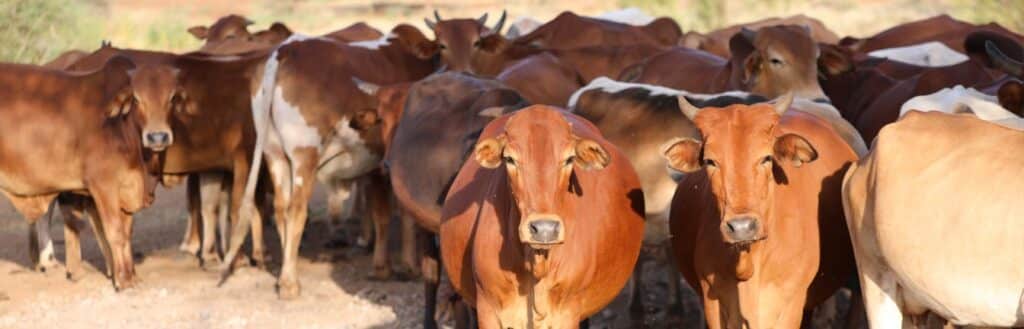
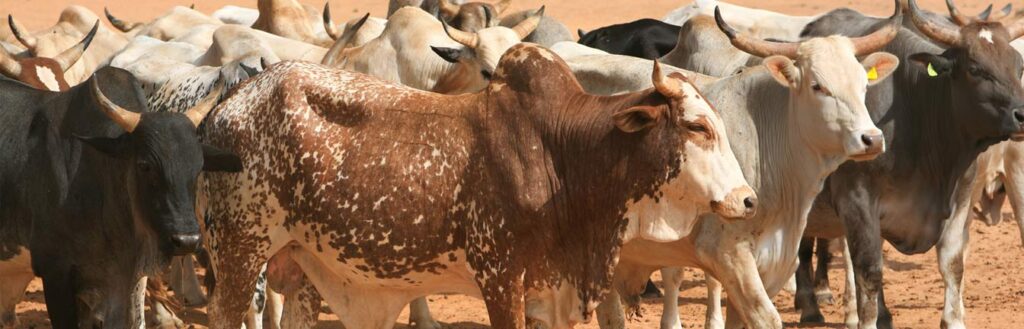
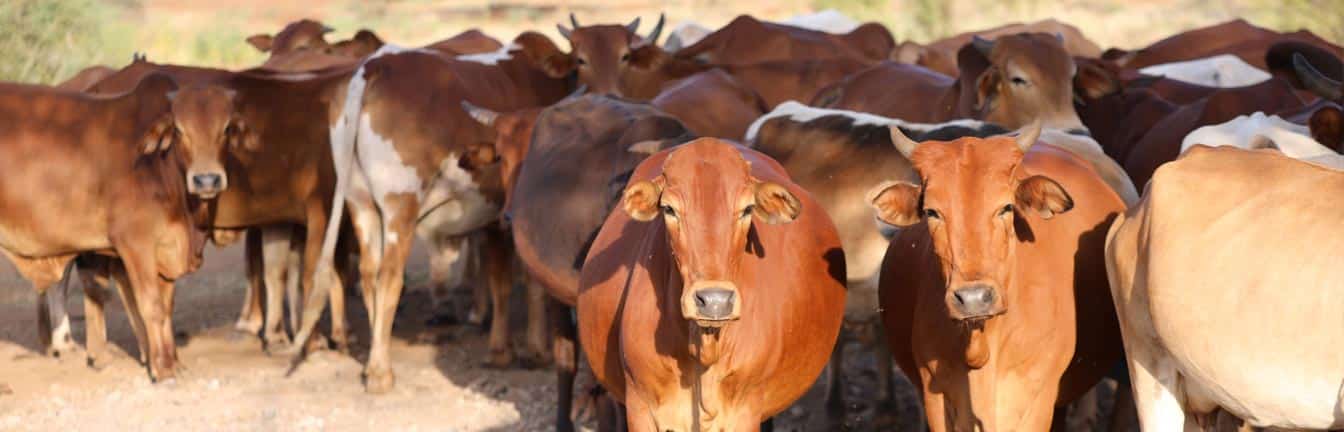
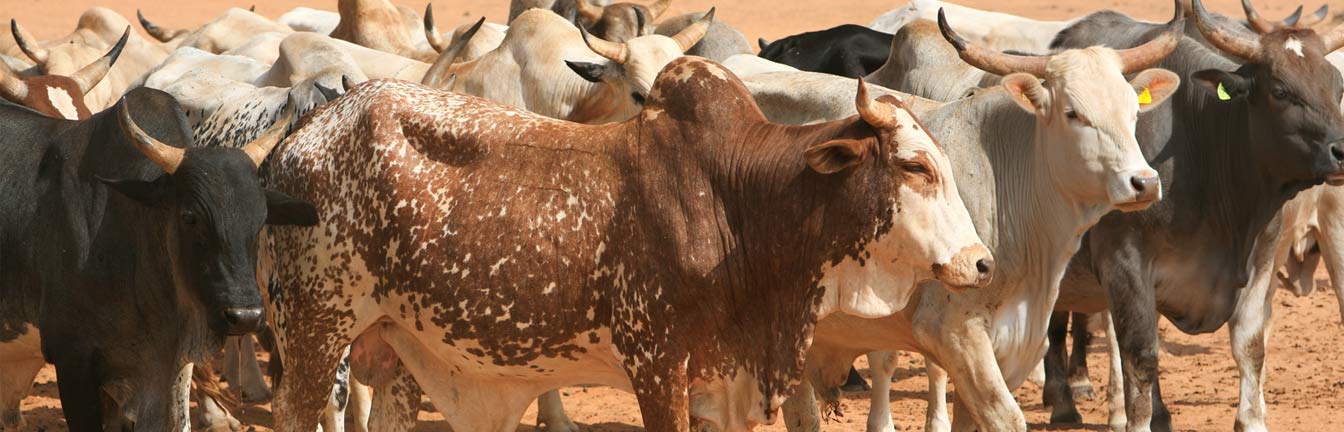
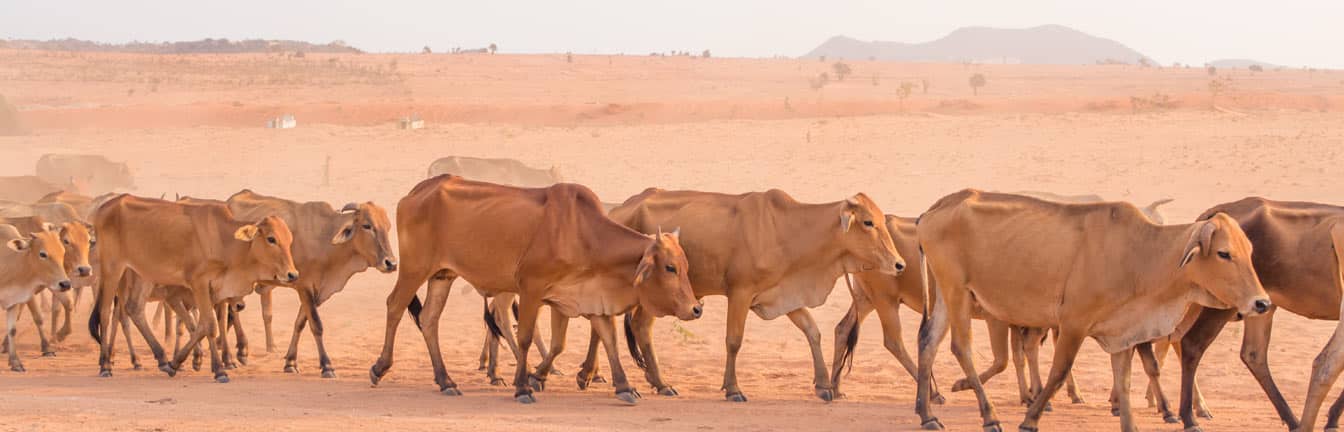
Numerous breeds have been shown to sustain weight and calve reliably in arid conditions. For instance, in Australia, Zebu breeds such as the Brahman and the locally developed Droughtmaster are often selected for their superior thermoregulation, parasite resistance, and ability to maintain body condition on low-protein native pasture. In Southern Africa indigenous Sanga breeds exhibit the same adaptability to heat, parasite pressure, and nutritional stress.
That adaptability shows up most clearly in reproductive performance, where the gap between adapted and unadapted breeds under the same conditions can be substantial. For instance, in controlled comparisons, the Mashona achieved a 74% calving rate against 56% for the exotic Sussex under the same low-input conditions. Naturally, calving rate is a key determinant of profitability in any cattle operation. It sets the number of saleable animals a herd produces each year, and even a modest gap can massively compound over generations.
Saudi producers would do well to weigh the calving rate heavily in their own herd planning, particularly where feed and water costs make each unproductive cow expensive to carry. For any Saudi breeding programme, breeders may want to consider Sanga cattle for the maternal side of a crossbreeding programme, potentially combined with high-value terminal sires to lift growth rate and carcass quality in their progeny.
Selecting whole breeds is not the only route available. The same adaptive traits are increasingly being isolated at the level of individual genes, allowing them to be moved into existing herds without the need for adopting tropical breeds. The clearest example is the SLICK mutation in the prolactin receptor gene. First identified in Senepol cattle, this gene produces a shorter hair coat and greater sweating capacity. Carriers hold lower body temperatures and, critically, maintain their appetite even during heat waves. The allele is now being introgressed into high-performance European breeds, providing them with greater heat resilience without the need to surrender carcass quality. This is likely to be of significant value to Saudi Arabian beef producers as demand for premium red meat within the region is high.
Traceability, movement and disease control
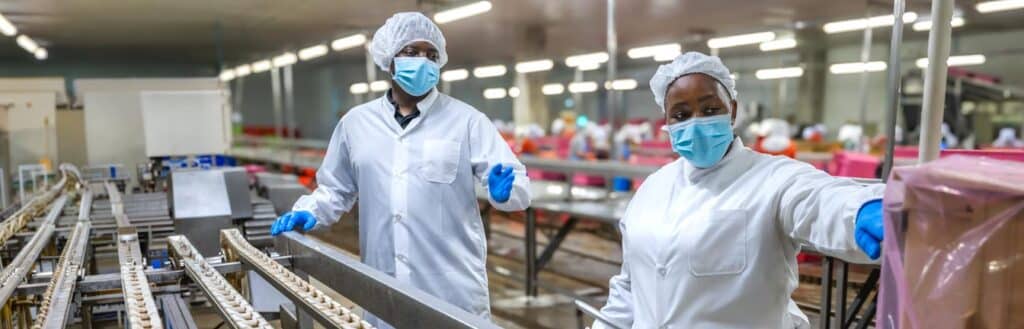
Australia, which faces comparable constraints on grazing to Saudi Arabia, introduced the Beef Roads Scheme in the 1960s, funding all-weather roads across the northern cattle country. This has enabled the mass movement of cattle away from failing pastures during droughts, reducing mortality and preventing overgrazing. While simple in theory, this required considerable technical and procedural infrastructure to work in practice. Moving stock at speed and at scale only works if the receiving state can be confident about where each animal has been. Australia therefore introduced a mandatory National Livestock Identification System (NLIS), under which every animal carries an RFID device which gives lifetime, individual-animal traceability. This system allows an outbreak to be traced back to its source in hours rather than weeks, ultimately making large-scale cattle movement permissible and traceable.
Similarly, in Botswana, rigorous national traceability and disease control processes such as the Livestock Identification and Trace-back System (LITS) have helped the national herd retain exportable disease status and secure access to premium EU markets. However, it is worth noting that the fencing and the mobility restrictions it imposed as part of its disease control measures are documented contributors to rangeland degradation.
For Saudi Arabia the case for improved traceability and disease control is stronger still. Foot-and-mouth disease remains endemic in the Middle East. Weak surveillance systems, logistical challenges, and a reliance on imported live animals compound the exposure. Without adequate traceability, the Kingdom has no reliable way of identifying where an infected animal has been or which herds it has contacted, meaning an outbreak could move through the national flock and herd well before it is detected, with significant consequences for food security, producer livelihoods and export ambitions. However, the foundations for such a system already exist: the SMART FLOCK SAUDI initiative already combines RFID ear tags, muzzle-print biometrics, and QR-coded health certification for small ruminant flocks. Extending that system to cattle, and making registration and movement reporting mandatory rather than voluntary, would give Saudi producers a verifiable chain of custody, similar to that of Australia or Botswana.
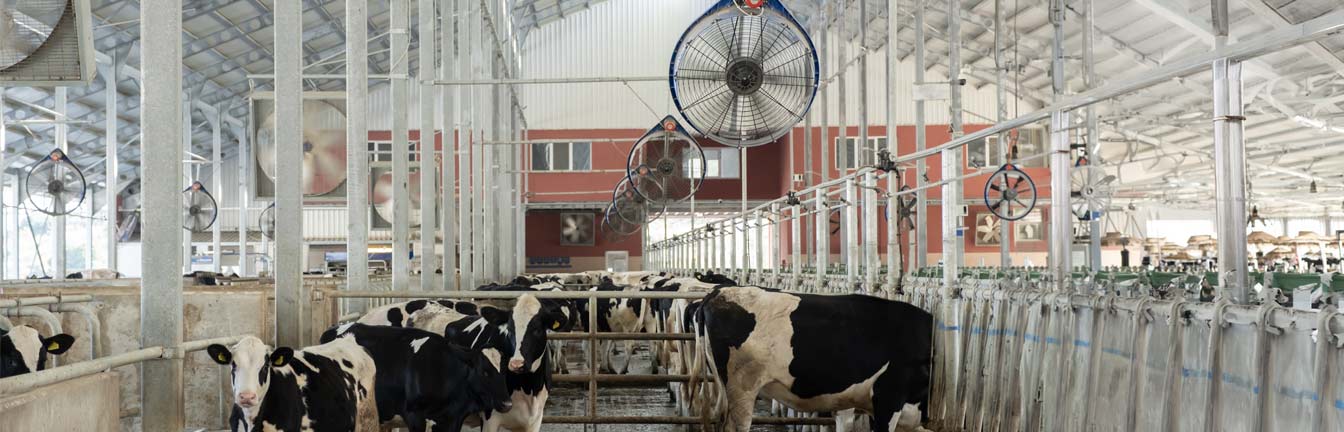
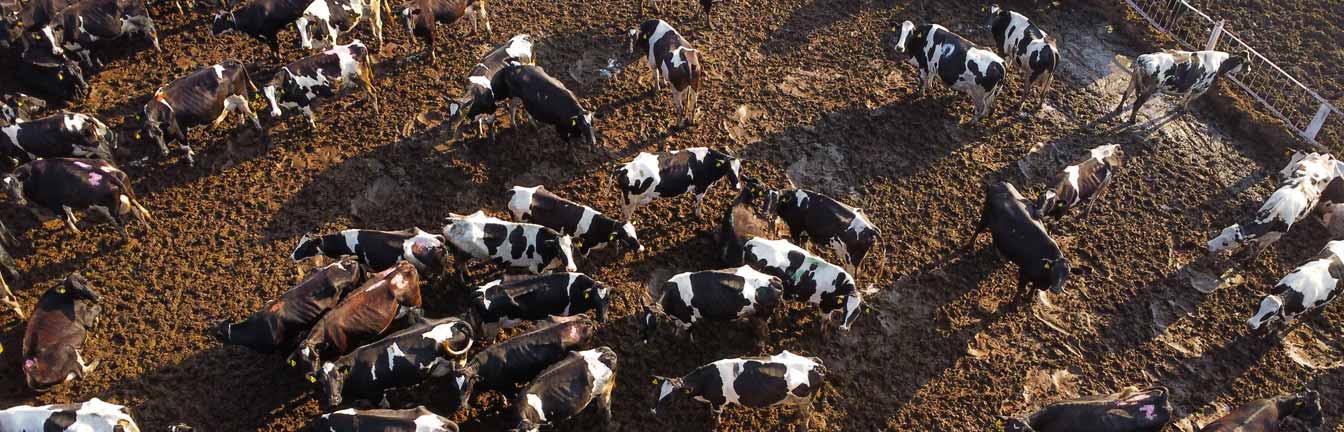
The US Southwest and Australia operate the most advanced heat-mitigation systems in commercial beef production, and the economics are well documented. In US feedlots, shade structures have lifted finished carcass weights by around 8 kg and cut water consumption by 3.4 litres per head per day during extreme heat. At roughly USD 90 per animal, they pay for themselves within about four 110-day finishing cycles. Australian trials of partial pen coverage recorded similar gains: an extra 100 grams of daily gain, a 4–5.3% improvement in feed efficiency, and seven additional kilograms of hot standard carcass weight.
Misting systems extend the same logic, though not as reliably as shade. Wetting works only where large droplets reach the skin. Where the design is right, the effect is substantial. A 2025 trial in South Africa’s semi-arid communal feedlots found that periodic spraying lifted daily gain 18% and feed conversion by 12%. However, when it is incorrectly implemented, it can actually raise pen humidity and add to the heat load. Naturally, these systems also come with a significant water demand. Wetting pens and cattle can double a feedlot’s water requirement, which may prove to be an ill-advised trade in Saudi Arabia’s water-stressed catchments.
Heat stress forecasting tools can also deliver measurable returns. For instance, Australia’s Cattle Heat Load Toolbox provided users with site-specific weather forecasts and heat load indicators. This enabled feedlot operators to better manage heat stress and protect animal well-being. The system has been used in recent years to deliver site-specific forecasts to more than 250 feedlots covering over 75% of the national feedlot herd, allowing rations and stocking to be adjusted before an event rather than after it.
Feeding
Feed formulation attacks the problem from the other side, reducing the heat the animal generates rather than the heat it absorbs. A finishing steer generates heat internally through rumen fermentation and the metabolic work of converting feed into fat and muscle. The more energy it is processing, the more heat it produces. Diluting the feed with roughage lowers its energy density, which in turn lowers internal heat production. Repeated studies have shown that lighter, higher-roughage rations keep cattle cooler through hot conditions.
Behavioural changes can also deliver measurable returns. For instance, in Mexican trials researchers found that shifting feed delivery to the evening moves peak digestive heat production away from peak climatic load so that the two no longer compound. In their trial, a single evening feeding raised average daily gain by 25%. The result comes from one small trial and should be considered as directional rather than definitive, but the underlying principle is well established: US public advisory services have long advised delivering 70% or more of the animal’s daily ration two to four hours after peak temperature.
What this means for Saudi Arabia’s cattle industry
It is worth noting that each of the interventions described above evolved alongside the conditions that made them viable, and so they may not be transferable to a Saudi context. For instance, Australia’s Beef Roads Scheme works precisely because Australia’s production base is dispersed and extensive; in the US, SLICK genetics makes commercial sense by catering to premium demand; and Botswana’s traceability system was built to unlock a European export premium that justified its cost.
Producers would also do well to consider whether any similar initiative depends on a condition Saudi Arabia does not share or has deliberately rejected. Misting is arguably the clearest case for this, although the same tension applies to feed.
Each measure should be piloted under Saudi conditions before it is scaled, and some will doubtlessly underperform their published results. But there is plenty of reason to believe that improved traceability, selective breeding, targeted investment in heat mitigation and behavioural alterations will all drive some form of improvement. Making the right decisions now could determine whether impressive progress will translate into a durable industry.
At Farrelly Mitchell, our livestock experts provide strategic, technical, and commercial expertise to help agribusiness owners and managers make informed decisions and achieve sustainable growth. Whether you are a producer seeking to enhance operational efficiency, a retailer aiming to meet demand, or a policymaker trying to improve food safety and security, our agribusiness consultants can deliver targeted and tailored solutions grounded in deep industry knowledge and experience. With a proven track record across the livestock value chain, we can combine local market insights with global best practices to optimise your operations, address complex challenges, and capitalise on emerging opportunities. Contact our experts today to discuss how we can support your business’ continued growth and profitability.