Moving feed delivery from daytime to a single evening feed raised average daily gain by 25% and feed efficiency by 17% against a conventional twice-daily schedule according to a summer feedlot trial by Ruben Barajas and colleagues at the Universidad Autónoma de Sinaloa, with Ganadera Los Migueles and the Instituto de Ciencia Animal.
The heat cattle generate for themselves
In hot regions, cattle struggle to shed heat during the hottest hours of the day, and a substantial part of that load is not external at all. Fermentation in the rumen is the animal’s main source of internally generated heat.
Feeding during daylight therefore adds a digestive heat load at exactly the moment the animal is least able to dissipate it. Shifting feed delivery to the evening should allow the peak of fermentation to fall in the cooler night hours, when heat moves more readily into the surrounding air. The trial was designed to test whether that reasoning holds in practice.
How the comparison was structured
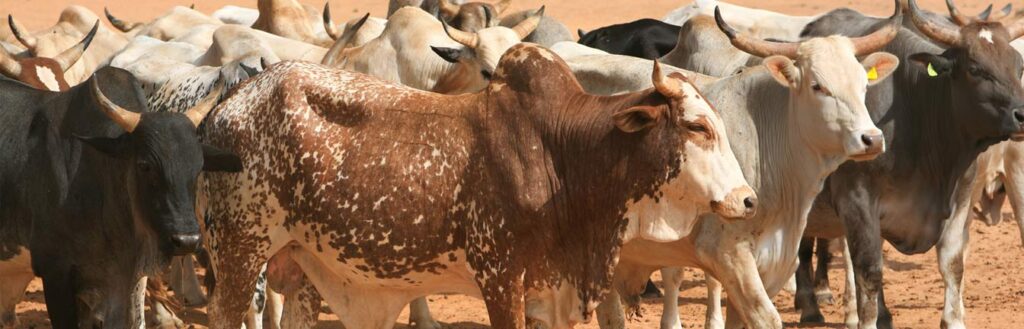
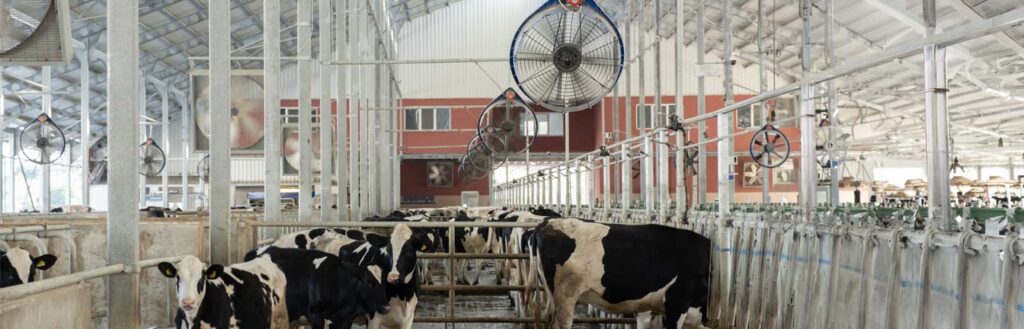
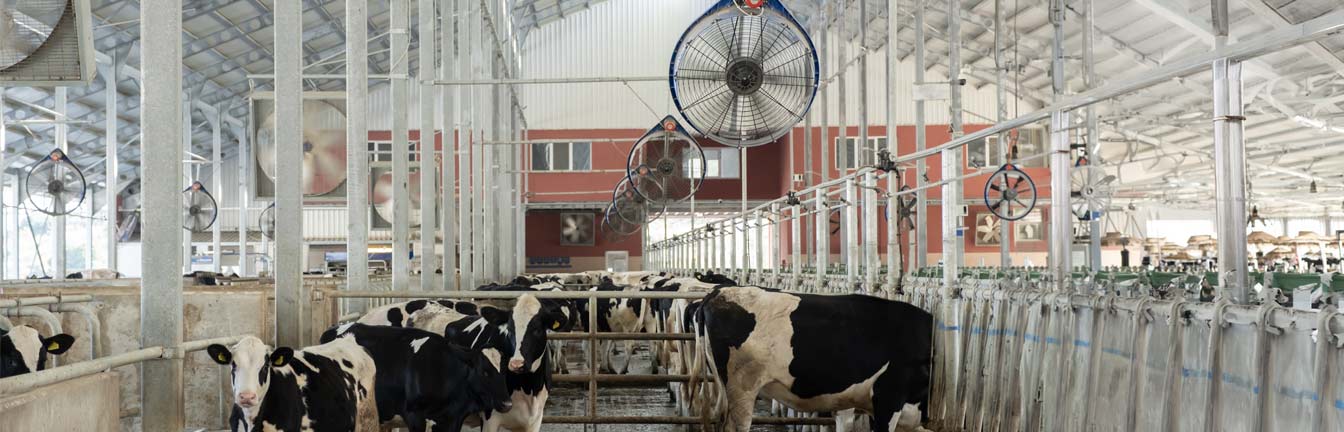
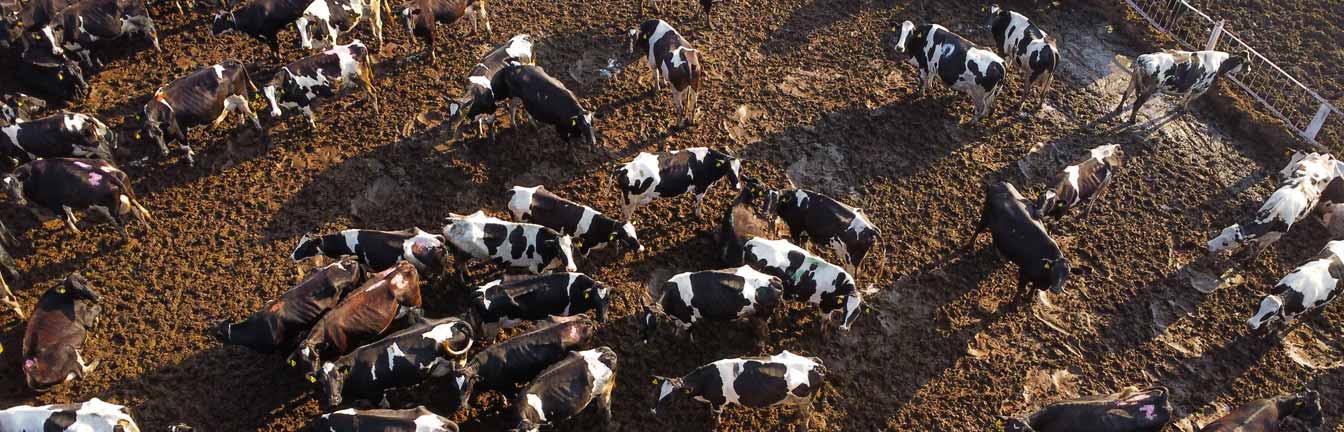
The study followed 80 bull-calves averaging 244.9 kg in liveweight over a 56-day feedlot period during the summer of 2018 at Culiacán, Mexico. The control group was fed twice daily, at 09:00 and 15:30. The night group received a single delivery at 20:00. Both were fed ad libitum, and the researchers recorded body weight, dry matter intake, average daily gain, and feed efficiency.
Conditions during the study were severe. Temperatures across the trial ranged from 23.6 to 44.7 °C. The temperature-humidity index, a combined measure of heat and moisture used to gauge thermal load on livestock, reached 95.99 at its peak and did not fall below 73.07 at any point.
Gains across every measure recorded
The night schedule improved all four performance measures, and the differences were significant. Final body weight was 5% higher, dry matter intake 7% higher, feed efficiency measured as gain to feed 17% better, and average daily gain 25% higher.
Interestingly, intake rose only modestly, while gain rose almost four times as much in percentage terms. The improvement therefore came mainly from cattle converting feed more effectively, not from cattle simply eating more.
The study only covered a single trial, at one site, in one summer, with a modest sample size so the results are worth verifying before they are relied on, and as such the magnitude of the improvement should be treated as provisional. It is also worth noting that the animals were in the growing phase over 56 days, so the findings do not account for finishing performance or carcass quality, but the reasoning behind their approach seems sound.
What this means for feedlot operators in hot regions
For investors and operators in hot climates who are assessing their own feedlot operations the implications are clear. Feeding schedule is a variable worth examining where feed-management logistics allow.
At Farrelly Mitchell, our livestock consultants provide strategic, technical, and commercial expertise to help agribusiness owners and managers make informed decisions and achieve sustainable growth. We advise on feedlot design and operations, heat-stress mitigation, ration formulation, and feed efficiency across arid and tropical production environments. With a proven track record across the livestock and animal protein value chain, we combine local market insights with global best practices to optimise your operations, address complex challenges, and capitalise on emerging opportunities. Contact our experts today to discuss how we can support your business’ continued growth and profitability.