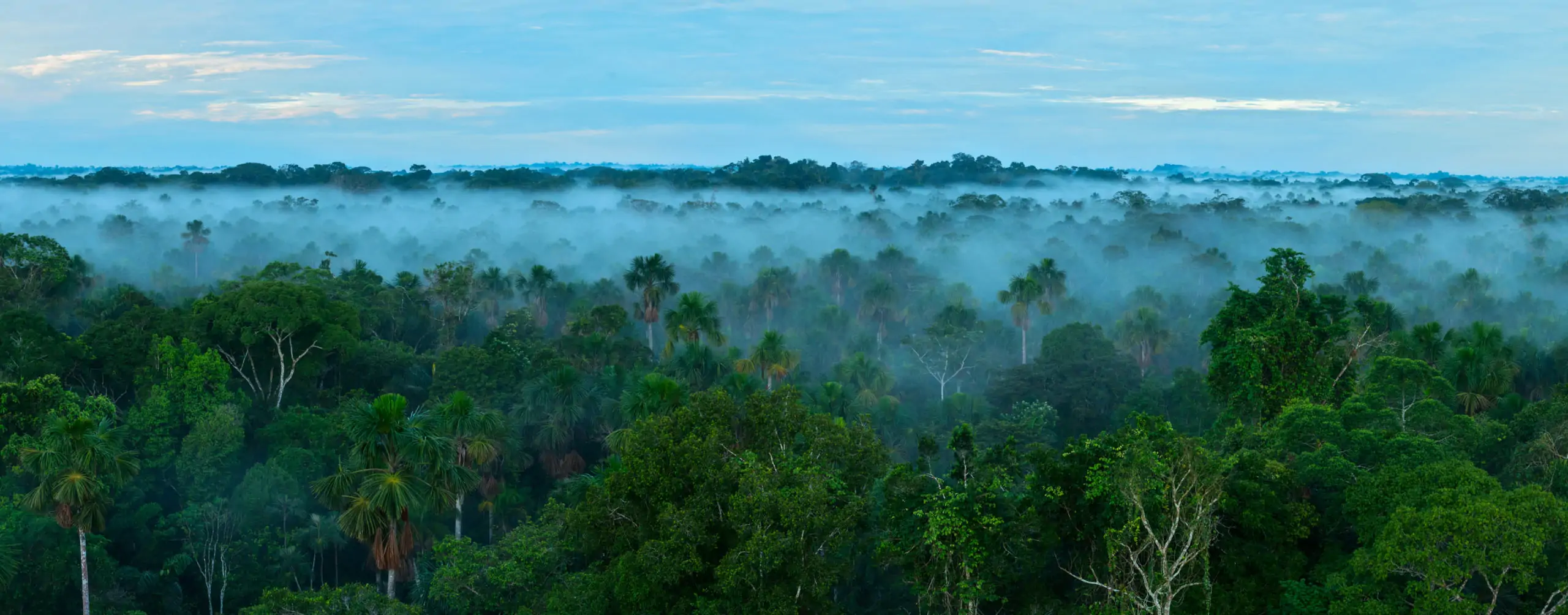
Deforestation of the Amazon Rainforest hit a new record during the first half of 2022, the Brazilian Space Agency reported, deepening concerns that the vast rainforest’s critical role in protecting the planet’s health will be irreparably damaged. However, the continued deforestation of the Amazon comes despite a pledge by Brazilian President Jair Bolsonaro to end illegal deforestation by 2030 and make Brazil carbon-neutral by 2050 in a bid to tackle the climate crisis.
The world’s largest rainforest is one of the planet’s most important “carbon sinks,” which absorbs carbon dioxide from the air and stores it within its vegetation. This serves as a powerful counterbalance to all the carbon being released and slows the pace of climate change.
The Amazon also plays a key role in regulating regional weather patterns. Its trees discharge water into the atmosphere through their stems, leaves and flowers through a process called transpiration. This water forms rain clouds which can affect precipitation locally and perhaps as far as Mexico and the US.
What are the drivers of deforestation in the Amazon?
Satellite data showed more than 3,980 square kilometres, an area five times the size of New York City, were deforested in the first six months of 2022, the highest figure going back to at least 2016.
Data from the agency also indicated fire activity last month was the highest for June in 15 years from farmers burning forest vegetation to clearing land for crops and livestock. Over the last five decades, the Amazon has lost around 17% of its forest area as the land is cleared and converted largely for cattle ranching and farming.
Brazil has become an agricultural powerhouse, producing roughly 30 % of the world’s soy and 15 % of its beef by 2013 – yet historically much of that growth has been achieved by destroying the Amazon. Since 1985, pastures and croplands have replaced 65 million ha of forests and savannas in the legal Amazon.
The Amazon could lose between 20 % to 25% of its forest within a decade, which could lead to irreversible changes. The rainforest would be turned into more degraded open savanna, endangering biodiversity, shifting regional weather patterns, and accelerating the climate crisis.
In the absence of clear land tenure, land speculators and grabbers often occupy and clear lands illegally, selling these areas at a profit, and flooding the market with low-cost farmland. Recent changes to the laws governing land occupation have created confusion and encouraged the perception that environmental laws have no teeth.
How can we stop Amazon deforestation
How can deforestation in the Amazon be avoided, whilst at the same time safeguarding the livelihoods of people in the region?
Increased protection
Deforestation rates have fluctuated over the last three decades, with higher rates in the 1990s and early 2000s. In response, the Brazilian government aggressively sought to protect the Amazon, bolstering environmental enforcement agencies, and discouraging the export of goods produced from deforested land. These policies worked and from 2004 to 2012, the pace of deforestation plummeted by 80%.
Creating public forests would clarify land tenure issues and limit the pool of land available for the expansion of agriculture. Deforestation on private properties could be reduced by implementing Brazil’s existing Forest Code to provide payments for environmental services, with support for the sustainable sourcing of agricultural products.
Agricultural Productivity
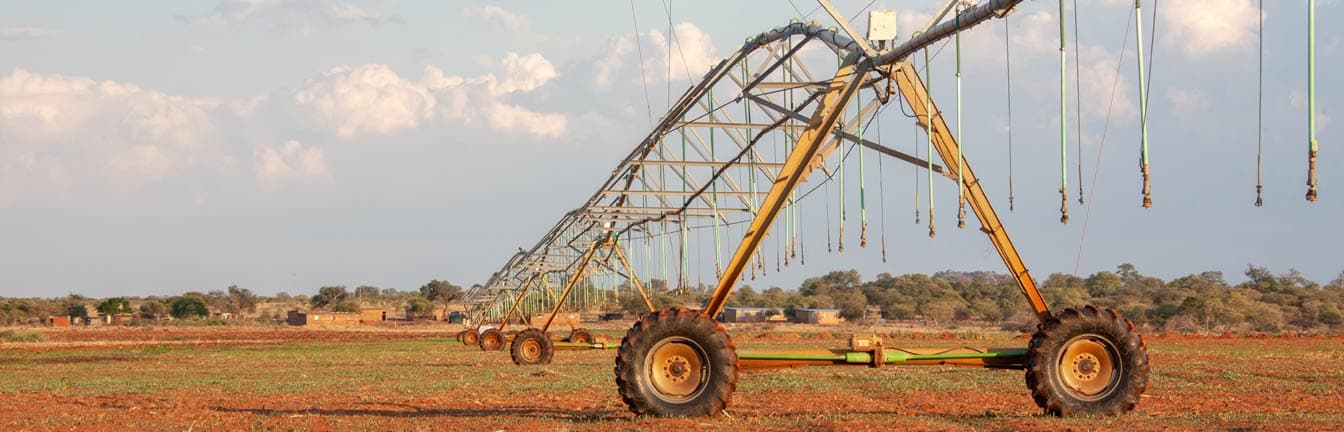
Brazilian farm exports are vital for global food security. With investment agricultural productivity could be doubled on already cleared land. This sustainable intensification could be achieved through the adoption of proven agricultural technologies along with new precision agriculture technologies.
Small farmers occupy a large swath of the Amazon and often lack access to technical assistance, production technology, and markets. Providing technical assistance to small farmers could help them improve household incomes and livelihoods and could reduce deforestation.
Forestry Products
Agroforestry systems with native fruit trees and traditional forest foods can contribute important macro- and micronutrients needed to achieve nutrition and food security objectives.
Developing markets for Non-Timber Forest Products (NTFPs) such as herbs, medicines and fruits can potentially provide an income for local people without the need for deforestation. However, the Amazonian NFTP market needs investment in the infrastructure for production, training, and organisation of extractive communities, and marketing support.
In addition, wild harvested forest products and agroforestry systems with native fruit trees and traditional forest foods can contribute important macro- and micronutrients needed to achieve food security objectives.
Reforestation
In the long-term reforestation projects could help restore what has been lost and reverse the changes which are driving the climate crisis. It is estimated that 23% of destroyed forest territory is now abandoned cattle ranches and croplands. These areas, now lay fallow.
Protecting the future of the Amazon Rainforest
Despite the urgency of the climate crisis and the need to halt the destruction of the Amazon, it is now accelerating again. The Amazons rainforests need urgent protection. Increased protection has been effective in reducing deforestation rates in the past.
However, in the long term, increased investment in sustainable agriculture and in developing the livelihoods of the people of the Amazon can halt the destruction of this vital ecosystem.
Preparing for a future with more sustainable agriculture
The focus on sustainability in the agri-food system industry has significantly increased in recent years and this trend looks set to intensify.
Farrelly Mitchell’s agribusiness consultants provide our clients with insight and expertise to shape practical and up-to-the-minute sustainable practices, policies and strategies and can also advise on investments by removing uncertainties.
Talk to me or one of our expert consultants now to learn more about how we can help you.