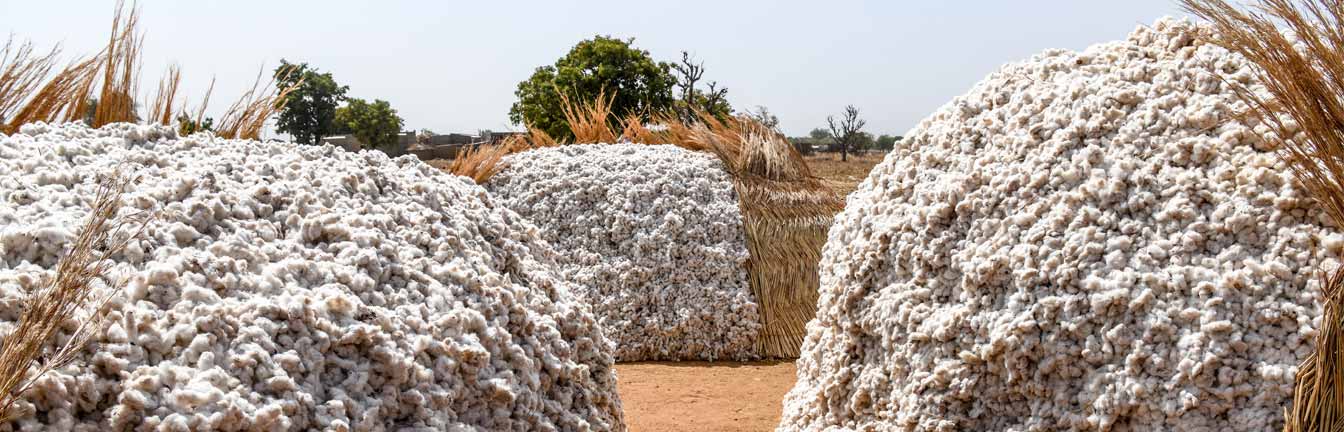

The cotton industry has experienced substantial growth in recent years, driven by a combination of technological advances, expanding global markets, and increasing consumer demand for textile products. In 2021, global cotton production reached approximately 25 million metric tons, a noticeable rebound following the disruptions caused by the COVID-19 pandemic.
The growth of the cotton industry can be primarily attributed to shifting global demands. Growing middle-class populations in emerging economies such as China and India have led to an increased demand for cotton-based clothing and textiles. At the same time, innovations in agricultural practices, such as genetically modified cotton varieties that promise higher yields and resistance to pests, have stimulated production capacity.
However, the cotton industry is fraught with sustainability challenges. These range from environmental impacts such as excessive water usage and pesticide pollution to social issues like the use of forced labour and inequitable trade practices. The complexity and lack of transparency in the cotton supply chain exacerbates these problems, making it difficult for stakeholders to ensure that ethical and sustainable practices are adhered to further down the value chain. As consumer and regulatory pressures mount, the need for sustainable transformation in the cotton supply chain has become increasingly urgent.
This article will discuss the current landscape of the cotton industry, the sustainability challenges it faces, and potential solutions to overcome these issues and build more sustainable cotton supply chains.
The importance of the cotton industry
The cotton industry provides direct livelihoods for approximately 100 million households in 75 countries, with 90% of these households in lower-income nations. In 2021, the global retail market value of processed raw cotton products was over $18 billion, and it is projected to exceed $22 billion by 2027.
Cotton is one of the most widely consumed natural fibres, accounting for about 25% of all fibres processed globally by the textile industry. It is also an essential component of many other industries. In healthcare, it is used in the creation of numerous products such as swabs and bandages. It is also heavily relied upon by the beauty industry where it is used to create items such as cotton pads and cosmetic wipes.
Sustainability challenges in the cotton supply chain
Addressing sustainability challenges within the cotton supply chain is essential, not only for limiting the industry’s ecological footprint but also for ensuring its long-term viability. The impact of cotton industry practices extend far beyond local communities, affecting ecosystems and societies around the world. Failing to address its biggest challenges could result in severe repercussions for both the environment and the global economy. Below are some key areas where improvements are urgently needed:
- Forced labour
Forced labour is a significant issue in cotton production, given that it is prevalent in some of the industry’s most productive regions. The use of forced labour in these areas has led to global regulatory responses, such as the Uyghur Forced Labour Prevention Act and the German Supply Chain Act, which aim to prevent the importation of commodities linked to forced labour.
In order to comply with regulations such as these and avoid any reputational damage organisations and brands must improve supply chain traceability and transparency. This has given rise to the adoption of blockchain and other technologies which enable organisations and regulators to track cotton from farm to retail and verify labour practices across the supply chain.
- Environmental impact
Cotton is notorious for its high environmental footprint. It is one of the world’s thirstiest crops, requiring up to 2,700 litres of water to produce a single T-shirt. Additionally, cotton cultivation consumes 24% of the world’s insecticides and nearly 1 kg of hazardous pesticides per hectare. It is therefore no surprise that it can lead to significant water pollution and pose health risks to farmers and local communities when improperly managed.
Encouraging the adoption of organic farming through financial incentives and training can significantly reduce its environmental impact. Adopting organic cotton practices, such as those required by the Global Organic Textile Standard (GOTS), can reduce water usage by up to 91% compared to conventional methods and completely eliminate the use of synthetic pesticides and GMOs.
- Climate change
Climate change poses a severe threat to cotton production. Major cotton producing regions such as India, the U.S., Brazil, and Pakistan are experiencing increasing instances of flooding, water shortages and temperature spikes. In addition to its high dependence on water, cotton is vulnerable to high temperatures, particularly during flowering and boll development. Heat stress (≥ 35 °C) profoundly impacts growth, development, physiology, biochemical process, and overall productivity leading to significant reductions in yield and fibre quality.
To combat these effects, cotton farmers need to adopt climate-resilient farming practices. This includes using drought-resistant and heat tolerant cotton varieties, implementing efficient irrigation systems, and participating in carbon sequestration initiatives to offset emissions. Brands can support these efforts by investing in sustainable farming projects and incorporating climate risk assessments into their sourcing strategies.
- Lack of traceability and transparency
The cotton supply chain is highly fragmented, with multiple intermediaries, making it difficult to trace cotton back to its source. This lack of transparency hampers efforts to ensure sustainable practices and complicates compliance with regulations.
Implementing robust track-and-trace systems can enhance transparency. These systems allow stakeholders to document and share traceability information, ensuring that all actors in the supply chain are accountable. Brands should mandate traceability as a requirement from their suppliers and support initiatives that promote full supply chain transparency.
- Social inequities
Social inequities in the cotton industry, including poor working conditions, low wages, and lack of land ownership for farmers (particularly women), are prevalent. Brands and organisations can help address these issues by committing to fair trade principles, supporting cooperatives, providing access to financial services, implementing strict labour standards and promoting gender equity. By adopting these measures, organisations can empower farmers, improve working conditions, enhance living standards, and ensure that women and minority groups have equal access to resources and opportunities.
- Technological advancements and innovation
Embracing technological advancements and innovative business models is key to transforming the cotton supply chain. Technologies such as blockchain, and other track-and-trace systems can enhance traceability and transparency, while advanced agricultural practices like precision agriculture can optimise resource usage and reduce environmental impacts.
Innovations in sustainable textile production, such as using recycled cotton and developing alternative fibres, can also contribute to sustainability. Brands that design products for recyclability, promote the reuse and recycling of their products, and adopt circular economy principles will be better able to meet consumer demands for responsible and ethical production. Furthermore, advocating for consumer behaviour change, promoting sustainable fashion choices, and supporting organisations committed to ethical practices can also help spur a more socially responsible cotton industry.
Recommendations for a sustainable future
Overcoming sustainability challenges within the cotton supply chain requires a collaborative effort from all stakeholders. Brands, farmers, governments, NGOs, and consumers must work together to enhance traceability, promote sustainable farming, improve labour practices, and mitigate climate risks.
At Farrelly Mitchell, our agribusiness consultants are highly experienced in the textiles and fibres industry. We offer tailored solutions to cotton producers, processors, manufacturers and retailers, helping to optimise their supply chains, improve their operations, and integrate more sustainable practices into their businesses. To find out more about our services, reach out to our team today.