
The role of agribusiness capacity building, along with good policies, in ensuring economic development through agricultural growth and transformation in Sub-Saharan Africa has been widely documented. As Akinwumi Adesina, the President of the African Development Bank said “…agriculture is not a way of life, it is a business”, and many smallholder farmers currently lack the capacity of running their farms as a business.
Stagnating agricultural growth in SSA
Agricultural growth in sub-Saharan Africa over the year has been somewhat lethargic, especially when compared to other developing regions like South America and South Asia. This can be attributed to inadequate investment in agribusiness capacity and institutional development, agricultural research and development, inadequate research dissemination and inefficient extension services. Out of the over 60 per cent of the region’s population who are engaged in small-scale agriculture, only a small fraction has regular access to extension services.
Efficient delivery of capacity building programs is important to take agriculture in sub-Saharan Africa to the next level of profitability and achieving food security for the growing population in the region, especially given the added impacts of climate change.
Challenges to growth
The human and institutional capacity gap, which is stalling agricultural development in sub–Saharan Africa is very glaring and has been documented by several International Development Agencies including the World Bank, USAID and the United Nations. However, addressing these gaps is very challenging and this is down to a number of issues. Most organizations, especially International Development Agencies (IDAs), who try to implement agribusiness capacity-building programs in developing regions like sub-Saharan Africa, often do so without much knowledge about or input from the local communities.
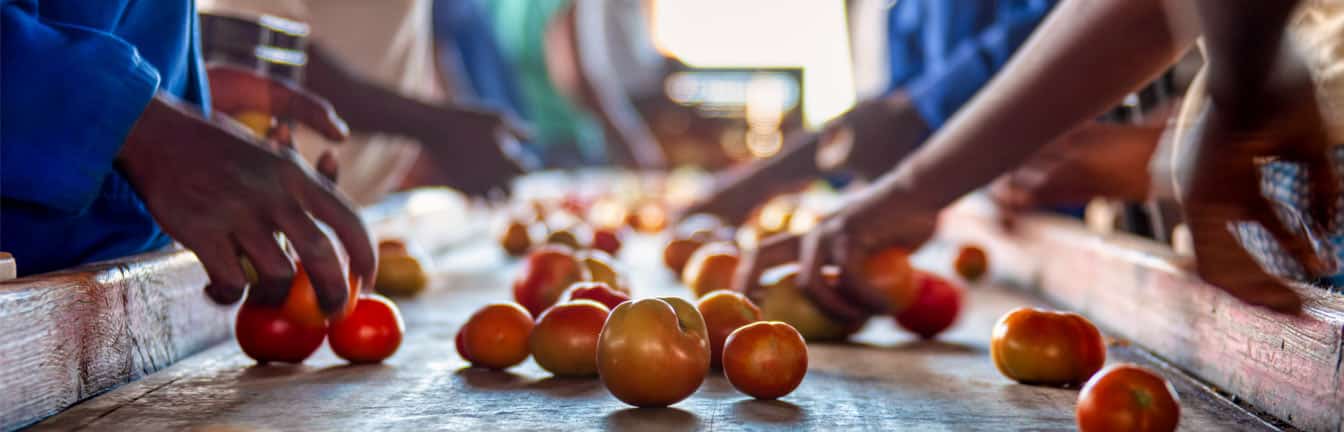
The majority of agricultural capacity development programs are focused on increasing efficiency in the agricultural production stages, however, the post-harvest and agro-processing stages are currently experiencing the most gaps and therefore require the most focus.
Opportunities for development
While the importance of capacity development in achieving agricultural growth in sub-Saharan Africa is becoming more appreciated, there is still a lot of work to be done. Farrelly Mitchell has worked with several clients in different sub-Saharan countries to help train and strengthen the capacity of key stakeholders to ensure growth of agribusiness in the region.
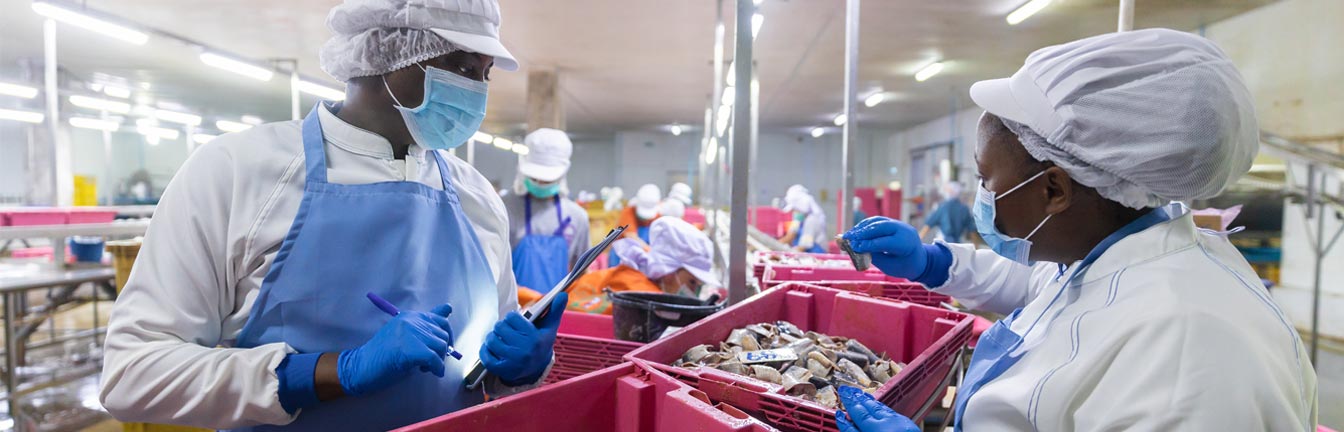
Some of our work includes training and building capacity of SMEs on usage of innovative financial instruments and ultimately providing access to finance and investment, building the capacity of agro-processors and exporters in management and other relevant agribusiness operation skills like food safety, packaging and branding, among others.
Farrelly Mitchell have also partnered with clients in the region to provide coaching and mentoring to SMEs as well as train smallholder farmers on climate-smart agriculture innovations and sustainably increasing agricultural production to enhance access to ready markets, directly impacting over 20,000 smallholder farmers and several SMEs across over 12 countries in sub-Saharan Africa.
Unlocking agribusiness capacity
Targeted community building initiatives are essential to rural development and community empowerment, and have a transformative knock-on effect on the livelihoods of smallholders and regional food security.
At Farrelly Mitchell, empowering food and agricultural organisations and fostering agricultural development is at the core of our mission. We work with governments, multilaterals, and NGO’s around the world to implement agribusiness capacity building and training initiatives, as well as program development, impact evaluation, institutional development, market linkages, and much more.
If you are looking to empower the next generation of food producers and stimulate agricultural growth in the regions that need it the most, reach out to our development and impact consultants today.