
Historically, Saudi Arabia has had a reputation for being one of the world’s largest poultry importers, but through a decade of effective sovereign capital management, the Kingdom has repositioned itself as a structural component in its poultry value chain. This strategy is built on equity partnerships, co-investment, and the two-way flow of capital, technology, and production capability between nations. It has resulted in a bilateral corridor that is redefining what food security means for import-dependent nations and what market access means for exporting ones.
At one end of this corridor, Saudi sovereign vehicles hold strategic equity positions in Brazil’s largest poultry producers, providing patient capital and long-term certainty. At the other end, those same Brazilian companies are building processing capacity on Saudi soil, transferring operational know-how, and embedding themselves within the Kingdom’s industrial fabric. Together these nations have leveraged their complementary strengths to create a partnership far greater than the sum of its parts. This article examines how this structure works, what it means for the poultry sector in both regions, and where the model is heading next.
The impact of strategic sovereign capital management on Saudi Arabia’s poultry supply chain
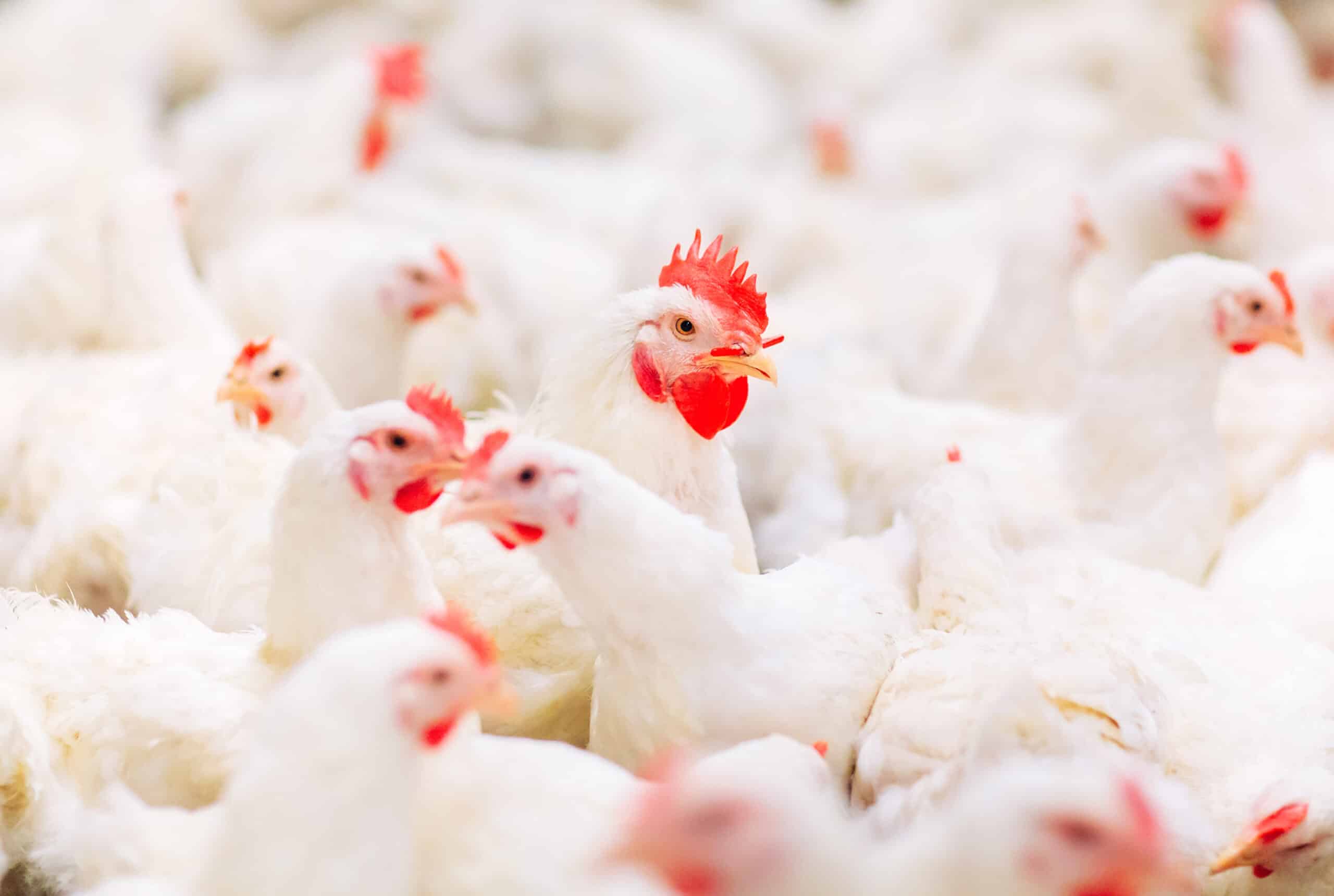
Saudi Arabia imports approximately 80% of its food, and historically the Kingdom’s poultry supply was no different, with more than 65% of it being imported. Brazil was the dominant supplier. For decades, this arrangement functioned adequately. Brazil offered scale, competitive pricing, halal certification, and one of the most reliable sanitary track records among major poultry exporters.
However, a series of global disruptions, such as COVID-19 export restrictions, Red Sea shipping volatility, and periodic bilateral regulatory adjustments, highlighted an inherent limitation of this policy; contracts, however well-drafted, do not confer control over supply. In response, the Kingdom has adopted a more integrated and sophisticated approach as it sets out to become a structural participant in its own poultry supply chain.
The Saudi Agricultural and Livestock Investment Company (SALIC), a wholly owned PIF subsidiary, has been the primary vehicle for delivering on this strategy. Saudi sovereign vehicles’ approach in Brazil has been progressive and deliberate: building significant minority positions in the country’s upstream suppliers, securing board representation, and then aligning its sovereign food security objectives with the commercial interests of these companies.
At the same time, Brazil’s three largest poultry-related companies, such as BRF, JBS, and Vibra, have collectively committed significant capital to build processing capacity inside Saudi Arabia, often in joint ventures co-funded by PIF. This downstream investment is transforming these firms from exporters into integrated regional food processors.
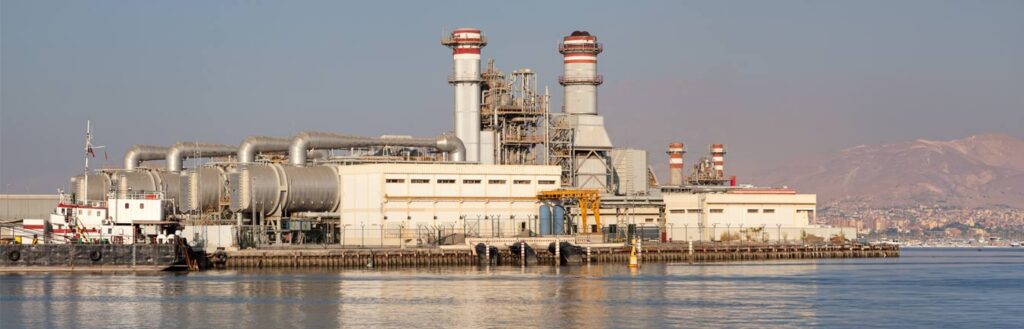
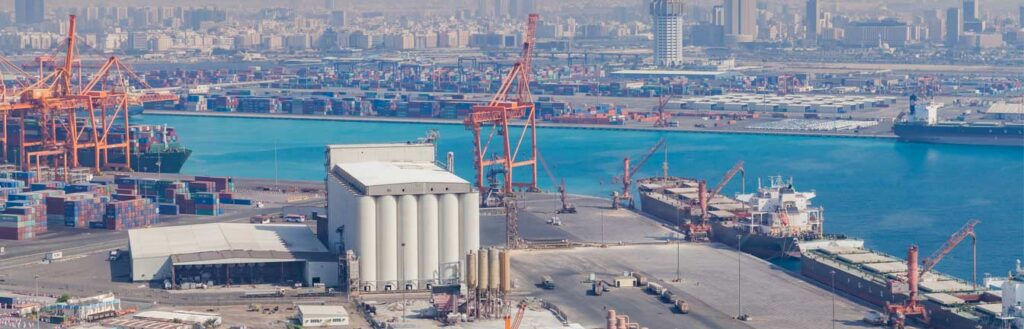
BRF’s Saudi footprint is the most developed. The company operates a processing facility in Dammam, holds a stake in Saudi poultry producer Addoha (acquired jointly with PIF in October 2024), and is constructing a new processing plant in Jeddah with PIF’s Halal Products Development Company (HPDC). Similarly, JBS, through its subsidiary Seara, operates facilities in both Dammam and Jeddah and in January 2026 partnered with ENTAJ, a poultry company under Saudi conglomerate ARASCO, to locally produce fresh chicken using ENTAJ’s existing capacity. Likewise, Vibra signed a partnership with Tanmiah Food Company in February 2025 to expand processing using locally raised birds, with a potential second phase involving the joint acquisition of assets in Brazil.
The implications for Brazil’s poultry sector are substantial. These companies are moving from shipping frozen carcasses, which is typically a low-margin, high-volume commodity trade, to producing further-processed, value-added halal products on Saudi soil. These products carry materially higher margins than whole frozen birds. Additionally, by building on Saudi soil through joint ventures, Brazilian firms are also insulating themselves from future trade barriers as they become part of Saudi Arabia’s industrial base.
Where Saudi sovereign vehicles have actively invested in Brazilian poultry producers, it provides them with patient, long-term capital and a degree of demand certainty that volatile agricultural commodity markets rarely offer. This is a material strategic advantage, as it allows these businesses to plan across multi-year breeding cycles, enabling long-term planning that short-cycle investors would otherwise discourage.
Beyond poultry, Saudi sovereign wealth funds have also invested in upstream agricultural commodities such as grains and oilseeds, providing them with a growing stake in the raw materials that underpin poultry production itself. The strategic implications are significant: feed accounts for 60–70% of poultry production costs, and Saudi Arabia imports over eight million tonnes of feed grains annually. The acquisition of and investment in upstream grain and oilseed producers introduces the possibility of coordinating feed supply with poultry production. Although the level of operational coordination required is considerable, ultimately effective sovereign capital management should enable Saudi funds to streamline and de-risk the flow of corn and soy into the very supply chains that produce Saudi-bound poultry and thus create an even more integrated and secure food system.
The benefits of this model for Saudi Arabia are well understood, but the less visible advantages are equally compelling. By enabling Brazilian companies to build and operate on Saudi soil, the Kingdom is embedding its halal standards directly into the operations of the world’s largest protein processors. Over time, this ought to position the Kingdom as a global reference point for halal food processing; Saudi Arabia is centrally located between African, Middle Eastern, and South Asian consumer markets. Halal products processed in Jeddah and Dammam can be re-exported across the MENA region under the Greater Arab Free Trade Area (GAFTA), providing both Saudi and Brazilian poultry producers preferential access to neighbouring markets in Egypt, Jordan, Iraq, and other Gulf states, a dynamic with significant commercial and soft-power implications.
These ventures also serve as mechanisms for technological transfer. Through partnerships with BRF, JBS, and their Saudi counterparts, the Kingdom is absorbing decades of Brazilian expertise in poultry genetics, feed conversion efficiency, biosecurity protocols, and large-scale production. Ultimately, this can enable Saudi Arabia to achieve its domestic self-sufficiency targets and build a lasting knowledge base that reduces its long-term dependence on poultry imports.
A blueprint for sovereign-commercial partnership
If this model proves successful, it would represent a significant achievement for the region and the companies in question as well as provide a level of supply chain integration rarely seen in global agribusiness.
The combination of sovereign equity ownership in upstream production, co-investment in downstream processing capacity, and preferential market access has the potential to create a system in which all parties derive value that neither could achieve independently. For Saudi Arabia, it can deliver far greater supply chain resilience, industrial diversification, and the potential to become the primary halal processing hub for the region. For Brazilian producers, it provides insulation from the protectionist pressures that increasingly characterise global food trade while at the same time de-commoditising their export offerings and strengthening their value chains.
The Saudi–Brazilian model may well offer a template that other import-dependent nations and major agricultural exporters can utilise. In an era of rising food nationalism, supply chain fragility, and growing geopolitical risk, the notion that food security can be achieved through deeper bilateral integration rather than simple stockpiling or increasing domestic production is a powerful one. If the corridor between Riyadh and Brasilia continues to deliver on its promise, it may well become the blueprint for other sovereign-commercial partnerships to follow.
At Farrelly Mitchell, our food security and investment advisory teams provide strategic, technical, and commercial expertise to help sovereign funds, institutional investors, and agribusiness operators navigate the evolving landscape of cross-border food investment. Our capabilities span technical and commercial due diligence, feasibility analysis, supply chain risk modelling, and market entry consulting. With a proven track record across the poultry, livestock, and broader agricultural commodities sectors, as well as deep regional expertise in the Middle East and Latin America, we combine local market insights with global best practices to address complex challenges and capitalise on emerging opportunities. Contact our experts today to discuss how we can support your strategic objectives.