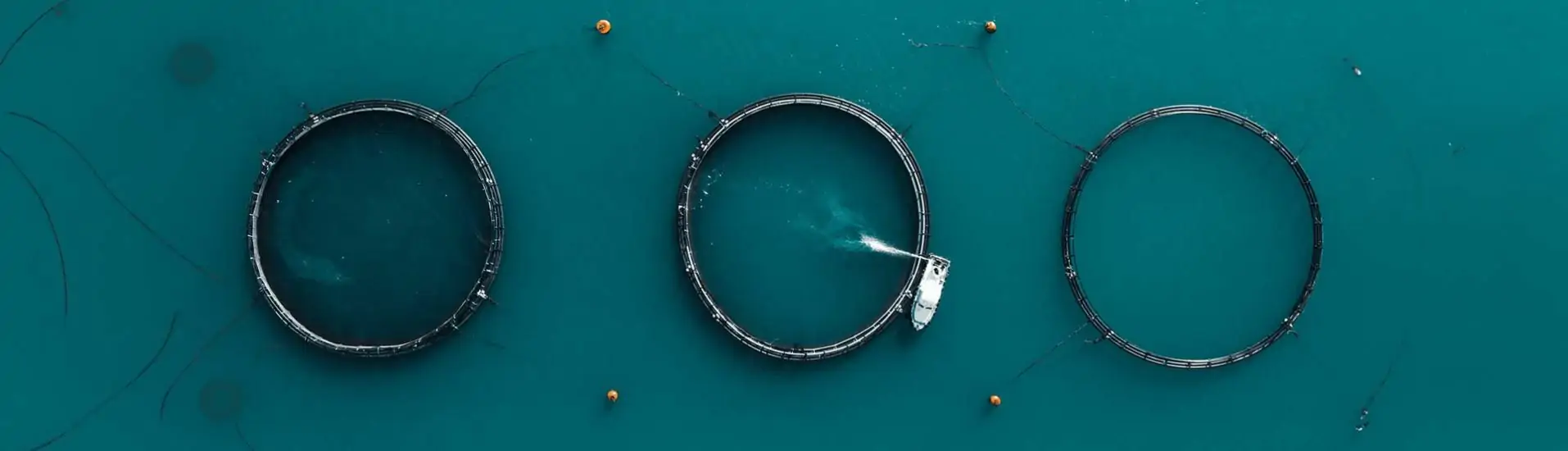
According to the OECD, 2023 will be a landmark year for the aquaculture sector as it is about to overtake the capture production of fish and seafood products, and is expected to grow at a rate of 1.0% p.a. over the next decade. The strongest growth is expected within developing nations where the sector is forecast to expand at a rate of 1.2 % p.a.
Declining wild fish stocks and concerns over the sustainability of capture fisheries are driving growth and interest in aquaculture. The total fish supply is forecast to increase from 166 million tons in 2016 to 203 million tons in 2031, with aquaculture entirely responsible for the increase. The bulk of aquaculture production occurs in Asia, with China as the dominant country (60% of global production) for both freshwater and marine aquaculture.
Part of the growth in demand for fish and other seafood is due to consumer perceptions of these products as sustainable and healthy. They are low in fat and high in protein, many with high Omega fatty acid and vitamin content as well. In terms of greenhouse gas emissions, aquaculture is among the lowest in carbon emissions compared to all other types of livestock.
Aquaculture in Europe and UK
Aquaculture in Europe has long been described as a stagnant sector. With a total production of just 1.3 million metric tons (MT), Fish farming continues to be hampered by lengthy licensing procedures, considerable regulatory red tape, and environmental considerations.
Norway
Norway is the largest aquaculture producer within Europe, with production growing at a rate of 1.2% p.a., but this growth is expected to stall going forward.
UK
The UK fish and seafood market is currently dominated by imports (43%) and capture fisheries (40%) with aquaculture making up only 17% of domestic supplies.
Challenges in Europe
The European Aquaculture sector faces several significant challenges, these include:
- High feed and labour costs mean that many aquaculture producers in Europe are uncompetitive.
- Concerns over the environmental impact of aquaculture on marine ecosystems.
- Climate change, depletion of natural resources.
- Increasingly strict environmental regulations, mounting bureaucracy, and the impacts of climate change have led to a lack of investment and innovation, and to limited product diversity.
Aquaculture in the Middle East
Overview
The aquaculture industry in the Middle East (ME) is still relatively new compared to other parts of the world, making this region highly dependent on other countries for food and feed.
Key aquaculture-producing countries within the region include Saudi Arabia, Turkey, and Iran, however many other countries such as Oman and the UAE are investing in and expanding aquaculture in a drive for sustainable food production.
Saudi Arabia
There has been rapid growth in the Saudi Arabian aquaculture sector over the last 5 years – with production growing at a rate of 10.7% p.a.
UAE
The UAE Fisheries and Aquaculture Market is projected to register a CAGR of 4.7% during (2022-2027).
Aquaculture in Africa
Aquaculture production across Africa is growing at a rate of 1.0% p.a. driven by a rising population, economic growth, and demand for protein. Egypt is the largest producer followed by Nigeria. Other countries in the region where aquaculture is expanding rapidly include Ethiopia and South Africa.
What are the Challenges Facing African Aquaculture?
Despite rapid growth, the aquaculture sector in Africa faces several important challenges:
- There is poor access to quality fish feed, eggs, and fry, in some developing countries including those within Africa. For example, the Kenyan aquaculture sector still suffers from an inadequate supply of certified quality seed fish and feed, an incomprehensive aquaculture policy, and low funding for research.
- According to Innovate UK, the aquaculture sector within Africa faces a need to scale up production and improve genetics and the health and welfare of farmed fish.
As the aquaculture sector continues to expand, businesses need to stay ahead of the curve and understand the implications of food regulations, environmental policies, and industry trends. At Farrelly Mitchell, we understand the agribusiness industry, especially in the context of its booming fisheries and aquaculture sector. As expert agribusiness consultants, we can provide invaluable insights and industry analysis to support your business as it navigates the complexities of food regulations and agribusiness management. We are dedicated to offering sustainable solutions that address the current and future challenges faced by our clients.
We are well-versed in conducting aquacultural and agricultural feasibility studies, as well as providing food market intelligence and insights. Our team is skilled in sustainability and climate change consulting climate change consulting and sustainable agriculture research, which is crucial for aquaculture businesses facing the impacts of climate change, the depletion of natural resources, and a growing threat of food loss and waste. We work with clients to identify the best practices for mitigating negative environmental impacts and ensuring the long-term success of their operations.
To discover more of our aquaculture insights, read our detailed report and analysis on aquaculture in Europe, the Middle East, and Africa.