Saudi Arabia agriculture is changing. As a food importer exposed to global food prices instability, agriculture and food are important priorities for the Saudi government as it looks to diversify its economy away from energy and strengthen its food security in line with the goals of Saudi Arabia’s Vision 2030.
Saudi Arabia inflation
High food prices drove inflation which was expected to reach 2.4% in 2022. The country remains reliant on imports for key staple food commodities. The Kingdom sourced around 45% of all its wheat from Russia and Ukraine in 2021. Data suggests the cost of purchasing wheat in Saudi Arabia rose by 40% during 2022 (Fortune Business Insight, 2022).
Saudi Arabia food industry
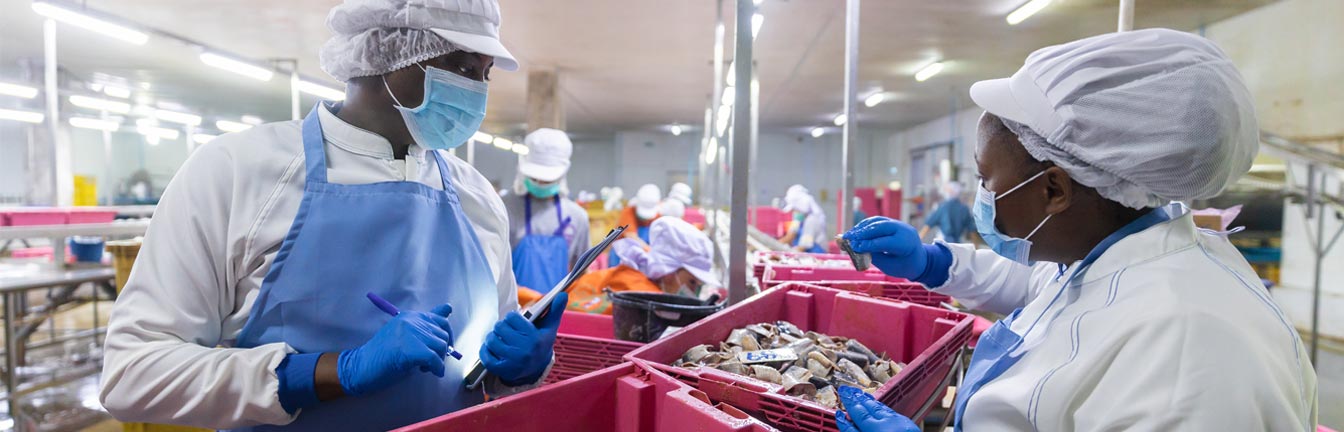
Saudi Arabia is home to a growing food manufacturing sector that benefits from population and income growth, lifestyle changes, state support, and favourable trade agreements.
High-growth food products in the forecast include:
- Ice Cream;
- Processed Meat, Seafood and Alternatives to Meat;
- Savoury Snacks;
- Sweet Biscuits, Snack Bars and Fruit Snacks;
- Ready Meals;
- Confectionery;
- Dairy;
- Soup;
- Sweet Spreads.
Saudi Arabia agriculture 2022 performance
The Saudi agriculture sector grew by more than 7.8% in 2022 compared to 2021 (Arab News, 2023). The food and agriculture sectors are one of the most important contributors to the development of the national economy in the Kingdom of Saudi Arabia and meeting Vision 2030 goals, and have a major role in achieving food security.
Key growth areas
- Aquaculture
- Animal feed
- Broiler chickens
- Greenhouse production
- Organic food farming
Adoption of modern farming techniques and technology
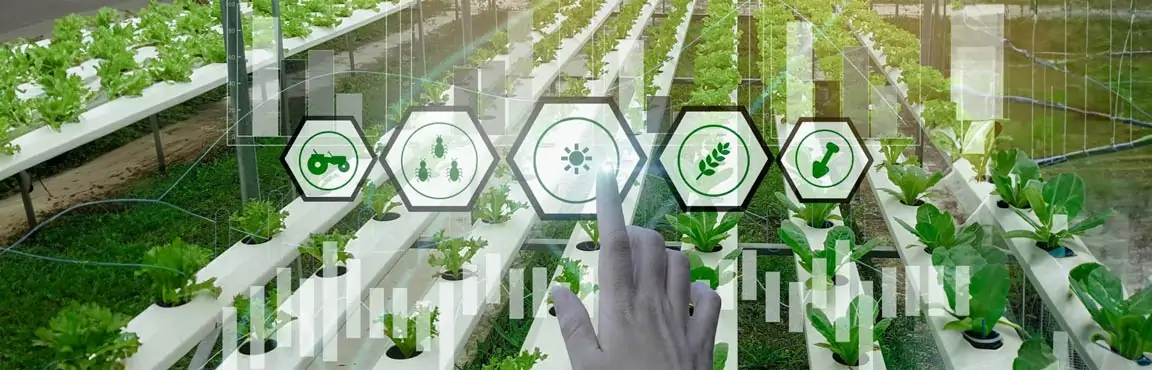
Saudi Arabia is promoting the latest agricultural technologies, including vertical farming and controlled-environment agriculture. The kingdom has become a promising market for the next generation of farming know-how, engineering and technologies such as hydroponics, aquaponics, drones and automated farming. The sector is getting a further boost as the Ministry of Economy and Planning announced that the sector will receive US$ 24.26 billion in investment.
Poultry market in Saudi Arabia agriculture
The Saudi poultry sector has experienced rapid growth in recent years and the local poultry market continues to grow rapidly (Agrofood, 2022). Within this, the poultry market was valued at 4.30 billion US$ in 2022.
Rise of animal feeds market
This growth in livestock production is driving the animal feeds market which is expected to reach US$ 3.36 Billion in 2024 with a forecast growth rate of 5.93%. This makes Saudi Arabia one of the fastest-growing animal feed markets in the Middle East region.
Organic farming in Saudi Arabia
The Ministry of Environment, Water and Agriculture has also set a target to increase organic production by 300%.
Water use in agriculture
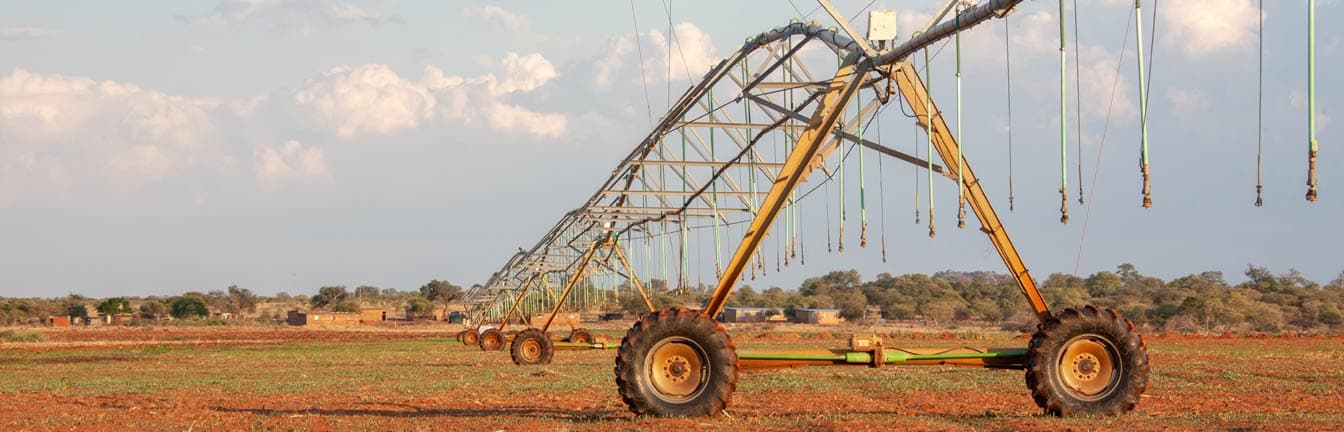
In addition to a strong economic performance, Saudi agriculture has also succeeded in reaching its environmental goals by reducing the use of water for agricultural purposes by more than 40% (Arab News, 2023).
Summary
International food markets in 2022 were severely impacted by events which led to rising food prices and food security shifting back up the political agenda. As a net food importer rising food prices have led to inflationary pressure within the Kingdom.
Saudi Arabia is modernizing its farming sector and in 2022 made progress on a range of farming and food issues. Strong government support for the food and farming sector, along with private investment in new and innovative technologies are providing many market opportunities.
Farrelly Mitchell’s consultancy services are tailored to address the nuances of Saudi Arabia’s agricultural landscape and support the region as it seeks to modernise its agriculture sector.
Our tailored consultancy services focus on areas such as agtech, sustainable agriculture, agricultural water management, and market entry & development. We provide strategic insights to leverage technological advancements in vertical farming and controlled environment agriculture, alongside optimising fisheries, aquaculture, and organic farming. Our expertise in strategic planning and investment attraction is instrumental in driving growth, enhancing food security, and achieving the ambitious goals of Saudi Arabia’s Vision 2030, all while ensuring sustainable use of resources.