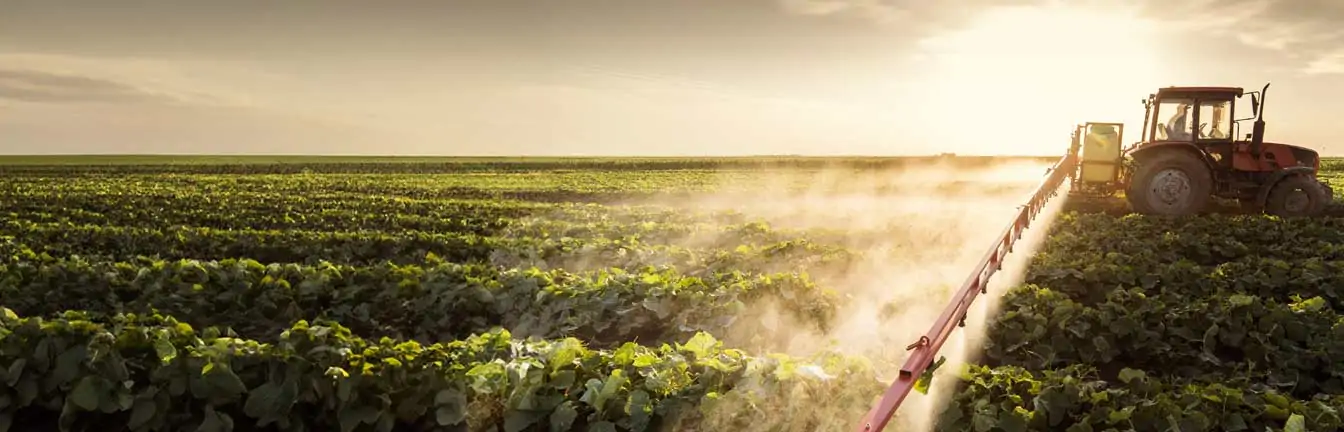
Agricultural intensification is pushing the environment to a breaking point. The linear model of food production that we use today carries severe environmental, social, and economic costs. Agriculture uses half of the planet’s habitable land, reducing biodiversity, destroying ecosystems, and polluting environments with pesticides and fertilisers. According to the Intergovernmental Panel on Climate Change (IPCC), food-related CO2 emissions are set to double by 2050, driving climate change and threatening the long-term sustainability of our planet. If the agrifood industry does not adopt more sustainable practices, the impact could be catastrophic.
The circular economy is a model of production and consumption that aims to tackle climate change, waste, pollution, and biodiversity loss. A circular economy focuses on using minimal amounts of external inputs by sharing, reusing, recycling, refurbishing, and repairing existing materials to extend the life cycle of products and reduce waste. In agriculture, this could be the conversion of manure into organic fertiliser, repurposing food waste and by-products into new products, using wastewater for irrigation, and much more.

By reusing, refurbishing, or recycling materials, companies can reduce their raw material and production expenses. Businesses can also save on waste management expenses, such as disposal and landfill costs, by reducing waste generation. Reliance on finite resources is reduced, giving the added benefit of lowering risks associated with resource scarcity and supply chain disruptions.

Businesses can generate new revenue sources and reduce disposal costs by repurposing waste materials. For example, crop residues can be sold as animal feed, while livestock by-products can be repurposed and sold as organic fertiliser.

Food and agribusinesses can better meet stringent environmental obligations and reduce the risk of fines and legal penalties by embracing the principles of the circular economy.

Embracing the circular economy can help position a business as a leader in sustainability and innovation, providing a competitive edge by appealing to environmentally conscious consumers and industries. This differentiation can provide access to new markets and allow products to be sold at a premium price.
At Farrelly Mitchell, our agrifood experts offer unique insights into ESG strategies such as circular agriculture. We understand the intricacies of the circular economy and can support food and agribusinesses in transitioning away from linear food production to more sustainable alternatives. Our circular economy experts can guide businesses in waste reduction, resource optimisation, repurposing by-products, and contributing to a more sustainable and resilient agrifood system.
Stay up to date with the latest agribusiness publications.


Choose a commodity to begin
Market intelligence powered by Farrelly Mitchell
Explore our FAQ for answers to common agribusiness queries. Can’t find your question? Contact our expert team for tailored assistance.
Implementing circular economy in food production saves money and creates value. By reducing waste and sourcing food locally, it can generate significant economic benefits, while also contributing to environmental sustainability​​​​.
Consulting in circular economy aids agrifood businesses by guiding them towards sustainable practices. This not only helps in cost reduction but also in creating value from waste, leading to financial gains and better regulatory compliance​​​​.
The circular economy in agriculture is applied by converting waste into resources, like using organic byproducts for fertilisers or agricultural residues for animal feed, and strengthening local food systems to reduce waste and enhance sustainability.
The circular economy is an economic model that prioritises sustainability by emphasising reuse, repair, recycling, and reducing waste to minimise environmental impact.
If you are looking to implement more responsible, sustainable, and regenerative practices in your business, our experts can help. Contact us today to achieve true circularity and build a more prosperous, greener future.
Receive the latest updates from the agribusiness world, including fresh insights and more, directly in your inbox.
Our team are ready to help you on the pathway to achieving your goals in food or agribusiness.