The unfurling carbon dioxide (CO2) crisis could start proving very costly for the meat industry, with pig farms facing the possibility of culling animals if supplies do not improve. The UK warned food producers to prepare for a 400% rise in carbon dioxide prices after extending emergency state support as rising costs of wholesale natural gas led to fears of poultry and meat shortages.
The British Meat Processors Association (BMPA), has warned of shortages of some products should the crisis continue. According to the Nick Allen, CEO of the BMPA:
“This crisis highlights the fact that the British food supply chain is at the mercy of a small number of major fertiliser producers (four or five companies) spread across northern Europe. We rely on a by-product from their production process to keep Britain’s food chain moving,”
Why is CO2 so vital?
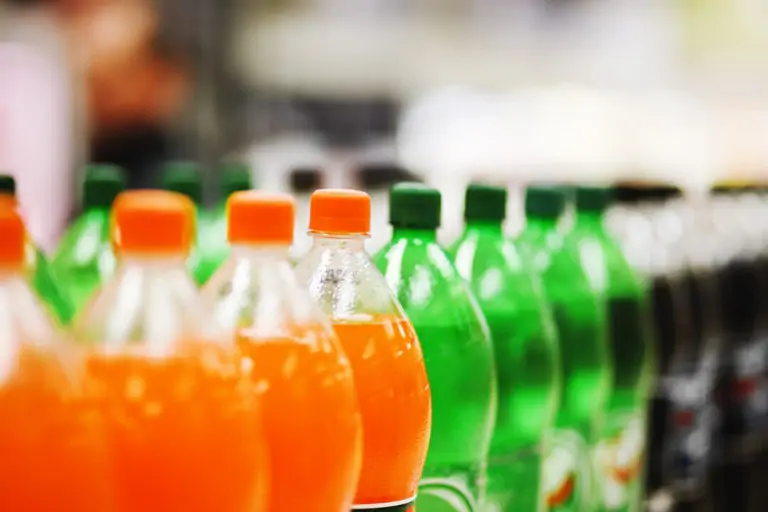
CO2 gives sparkling water, pop and beer their fizz, but it has plenty of other uses. CO2 is used to desalinate water and to balance PH levels, especially in countries where seawater is the primary source of drinking water.
Meat processing plants use CO2 to stun animals humanely before they are killed. CO2 is also used in aerosol cans and fire extinguishers and for oil extraction. It’s used in some food packaging to keep products fresh. It is also used to make dry ice (a.k.a. solid carbon dioxide), which is used to keep food fresh during shipping and to keep biological samples and vaccines cold, as well as to clean medical tools. It’s even used to keep ice cream cold on flights.
Commercial CO2 is captured from a direct source that is highly concentrated. The gas is a byproduct in various industries and a CO2 plant can be attached to capture it. For example, when ammonia — a chemical commonly used in fertilizer — is produced, CO2 is released as a byproduct. A CO2 production plant can recover the CO2, purify it, compress it and get it ready for sale.
CO2 can also be recovered from distilleries as it is a product of ethanol fermentation. It can also be captured while purifying natural gases or coal. Without a CO2 production plant, the gas is released into the atmosphere and lost.
What is the underlying cause of the shortages?
Both the fertiliser producers and by extension, their CO2 customers in the food and drink industry, are reliant on energy and commodity prices, as well as demand for ammonium nitrate staying high. If one of these gets thrown out of balance, factories either slow production or, in this extreme case, stop production. The result is that carbon dioxide supplies dry up.
Spiking gas prices have led to shortfalls of the product, which is used in carbonated drinks and across the frozen food supply chain and the meat industries. Recent spikes in natural gas prices have forced some fertilizer plants – Britain’s main source of CO2, a byproduct of the industry – to shut in recent weeks, leading to a shortage of CO2 used to put the fizz into beer and sodas and stun livestock before slaughter.
The ammonia industry has been declining in recent years as natural gas gets more expensive. Natural gas is used as a raw material in ammonia production and it is also used to power some plants. As natural gas gets more expensive, some fertilizer producers in the U.K. and Europe are choosing to import ammonia from Asia rather than produce it domestically, which means CO2 production is falling. But it costs too much to ship CO2 from Asia and factories can’t make a profit by producing CO2 alone, so experts say Europe needs to find alternative sources for production.
The Response
Britain has temporarily exempted parts of the CO2 industry from competition law to help provide further security of the gas’s supply. The energy department also said major supplier Ensus has restarted its CO2 operations, while CF Fertilisers’ plant started operating at full capacity following an agreement last week. Some have called for more government intervention. Due to the crucial nature of CO2 to the food and beverage industry, the BMPA is calling for it to be regulated in a similar way to how the water industry is overseen to prevent public crises and for more coordination between the major suppliers of CO2.
Are there alternatives to using CO2 from fertiliser plants?
Shortages are likely to be prevalent for the immediate future. However, in the long term, there are alternatives. As carbon capture technologies develop, we may see carbon dioxide extracted directly from the air for use in industrial processes as well as climate change mitigation. Other options could include nitrogen gas, which can be used in the same way as CO₂ to preserve food or stun animals.
Navigating the UK food industry
Facing a CO2 crisis, the UK’s meat industry could see significant impacts, with pig farms contemplating culls amid soaring carbon dioxide prices, driven by the rising costs of wholesale natural gas. CO2’s vital roles range from animal processing in meat plants to its use in beverages, food packaging, and medical tools.
This shortage highlights the food supply chain’s dependency on a handful of fertiliser producers for CO2, a byproduct of their production. The British Meat Processors Association (BMPA) calls for regulatory changes to prevent future crises, emphasising the need for sustainable and alternative CO2 sources.
Amid these challenges, Farrelly Mitchell’s expertise in policy and regulations, green finance, and sustainability and esg can support stakeholders in navigating these turbulent times, ensuring resilience and sustainability in food and agribusiness operations.