At first glance, Saudi Arabia is a food-secure country, with a strong fiscal balance and large oil reserves, which can afford to import food for its population. However, The Covid-19 pandemic has heightened concerns over food security and the food supply chain within the country. One study has found that during the pandemic related curfews, about one-third of the population were experiencing food insecurity. In addition, eating habits and health and well-being were negatively impacted.
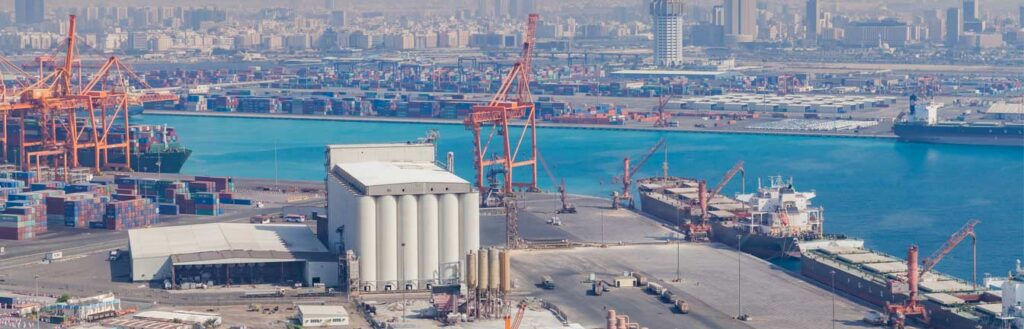
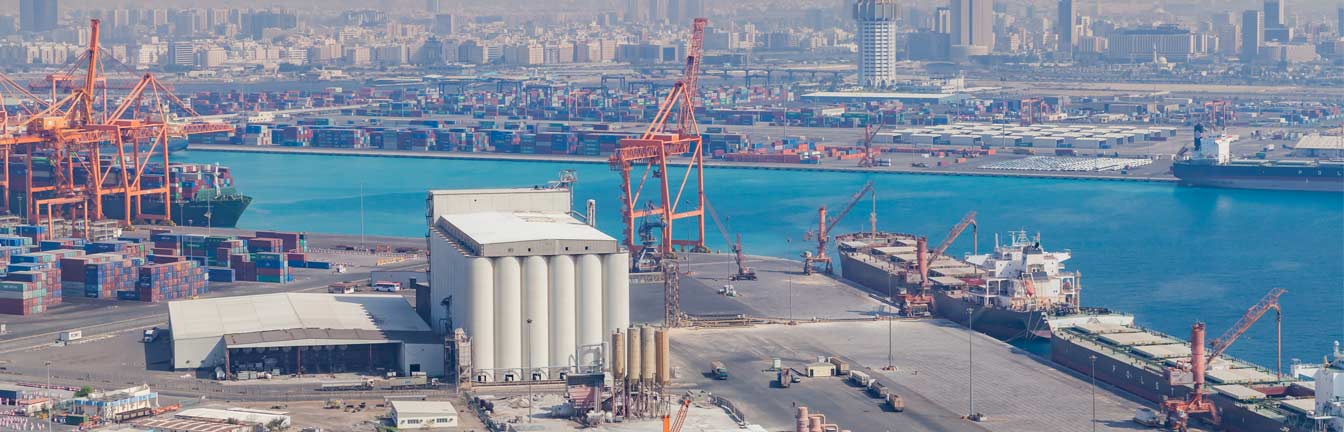
Serious environmental constraints, in particular water scarcity, undermine domestic food production. Saudi Arabia is the Middle East’s largest individual food importer, with around 80% of the country’s food coming from overseas.
What are the risks of this dependence on imports?
A 2013 report from Chatham house highlighted the risks that the country should consider when deciding on food security policy these include:
- High and volatile international food prices;
- Climate change
Desert countries typically import staple food commodities as local production may not be enough to meet domestic needs. The reliance on imports not only leads to increased vulnerability to price shocks and political risk but also leads to increased food waste.
Usually, the challenge is turning primary production into high-value food products, however, Saudi Arabia is faced with the opposite issue. The Kingdom has developed a successful food processing industry but still relies on imported ingredients.
Options for Food Security
The past decade has seen an upsurge in overseas investment in agricultural land, resources and domestic Agritech ventures.
Domestic production can be increased sustainably by improving land and water productivity. This can be done by adopting modern technologies such as land and water-saving approaches, greenhouse farming, seawater harvesting and the introduction of hydroponics and aquaponics. Crown Prince Mohammed bin Salman al Saud has embarked on a major reform program – Saudi Vision 2030 to diversify the economy away from oil production and give the private sector a boost.
This includes investment in water-saving technology for food production and targets aimed to reduce water use in the sector by 30-50%.
In recent decades Saudi Arabia has invested heavily in food production overseas, and that trend is expected to accelerate following the pandemic. In response to the 2008 price crisis, The Saudi Agricultural and Livestock Investment Co. (SALIC) was established in 2009 as a public investment fund (PIF) company. SALIC contributes to food production and supply through investments inside and outside of the country.
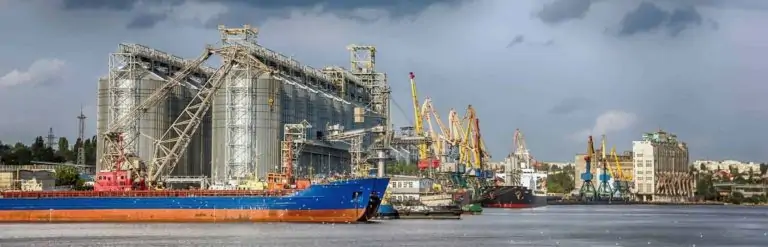
The King Abdullah Initiative on Agricultural Investments Overseas partly incentivizes these purchases, by subsidising private-sector investment from Saudi companies on agricultural operations in foreign markets. The initiative has signed 40 deals across 13 countries, with Saudi investors now operating large farms in the USA, Sudan, Egypt, Argentina, Australia, and Ukraine.
Overseas investment also has its risks
Many projects have either been cancelled or are not yet operational due to the challenges associated with investing in greenfield agricultural projects in developing countries. Risks include the potential for a host government to renege on commitments in times of high food prices and water scarcity, as well as the risk of social conflict where local communities are adversely affected. In 2008 when rice and cereal prices soared several Gulf states, including Saudi Arabia, controversially rushed to secure overseas farming projects. These were often in impoverished African countries such as Sudan and Ethiopia, stoking criticism that the wealthy oil producers were “land-grabbing”.
Investors are now generally more cautious about higher-risk investments in food-insecure countries and are more conscious of some of the ESG risks associated with these projects. For example, to secure supplies SALIC invests in countries that have the agricultural capacity and a surplus of staple agricultural exports, including wheat, barley, corn, rice, and sugar.
There is also competition from other fast industrialising nations for farmland. China, South Korea, and India are all facing their own food security problems and have emerged as active global farmland buyers.
Continued investment strategies
Overall, the Saudi food system has proved resilient throughout the Covid-19 pandemic, although not without difficulties for low-income consumers. A twin-track approach of investing in emerging technologies to boost domestic production, combined with responsible and prudent overseas investments can help the country meet its food needs.
Understand factors affecting your investment opportunities
Farrelly Mitchell empowers the world’s most ambitious public and private industry stakeholders to make the right commercial and technical decisions. Our expert agribusiness consultants support large-scale investments, mergers, acquisitions, and ventures with a suite of services, including due diligence, risk analysis, and feasibility assessments to help bring clarity to investment decisions and identify key risks and opportunities.
We understand that our clients’ target investments do not exist in vitro and we assess opportunities in a comprehensive manner taking into account evolving practices and strategies that will impact the future capacity and capability of your investment. To find out more about our due diligence consulting services and ensure your investment targets are appropriately assessed, reach out to Farrelly Mitchell today.