Malachy Mitchell, Managing Director, Farrelly Mitchell, shared his knowledge and thoughts on the role of East Africa in the global trade of food and agricultural products with a focus on its trading relations and opportunities with the Gulf Cooperation Council (GCC). He presented his views and participated in a lively panel discussion at the AFTI East Africa Agri Food Trade & Investment Summit held in Nairobi, Kenya.
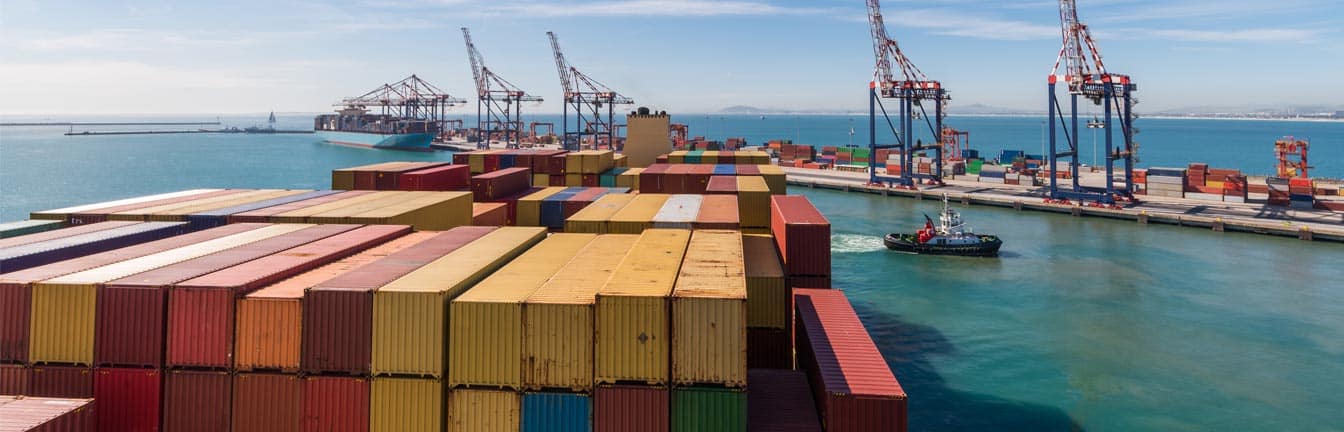
The conference was attended by over 450 high-level delegates from around the region, Africa and internationally. At the conference, Malachy gave an overview of East Africa’s food and agri trade, highlighting how the region and continent can supply the affluent and high-growth GCC consumer food market.
The following are the key notes he made during his presentation and panel discussion:
Overview of East Africa food and agri trade
The growth in production of agricultural products is not keeping pace with population growth across the region. This is likely to increase the local supply deficit and increase dependency on imports, unless it is addressed at policy and funding levels.
Cereals, namely wheat and rice, are the major commodities imported into the region with Argentina, Russia, China, India, Myanmar, and Mexico as key trade partners for imports. On the other hand, Tanzania and Kenya are major exporting countries with pulses and cashew nuts making up the lion’s share of exports from the region. Tanzania is the largest producer of cashews and second largest for pigeon peas, whereas Kenya is the largest producer and exporter of fruits like avocados and mangoes.
East African countries, like the rest of Africa, export the most basic of farm products and import processed ones. For example, Africa accounts for almost 43% of global cashew production, but it mostly sells unprocessed cashews to India and Vietnam. Both these countries then process them and sell onto the global market. This lack of capacity in value-addition is denying the region vital forex earnings, weakening the balance of payments, and limiting local employment opportunities.
Lack of structured risk capital that targets large-scale early-stage projects is a major limiting factor on the development of the agri-food sector in Africa and addressing many of the points.
Agricultural production is heavily concentrated in five countries, namely Ethiopia, Tanzania, Malawi, Kenya, and Uganda. However, each country produces a different product mix.
GCC market potential for East Africa exporters
A strong relationship between rising income and demand for protein in the GCC is creating opportunities for food and agricultural exporters. However, demand is not homogeneous and niche opportunities are available due to the significant and diverse expatriate population in the region.
Economic reforms in the GCC are opening doors for in-country partnerships and joint ventures. Companies should capitalise on investments and ensure they have necessary certifications.
Expert agrifood consultants
In order to keep pace with growing populations across the region and reduce import dependency, African food production requires industry-wide investment and policy support. At Farrelly Mitchell, we are aware of the ongoing challenges faced by African producers, and we strive to deliver strategic solutions to public and private stakeholders that facilitate agricultural production and improve food security in the region.
We provide a wide range of developmental services, including training and capacity building, programme design and implementation, impact evaluation and monitoring, and much more. With our guidance, governments and businesses can empower agricultural productivity in Africa and capitalise on this high-potential market.