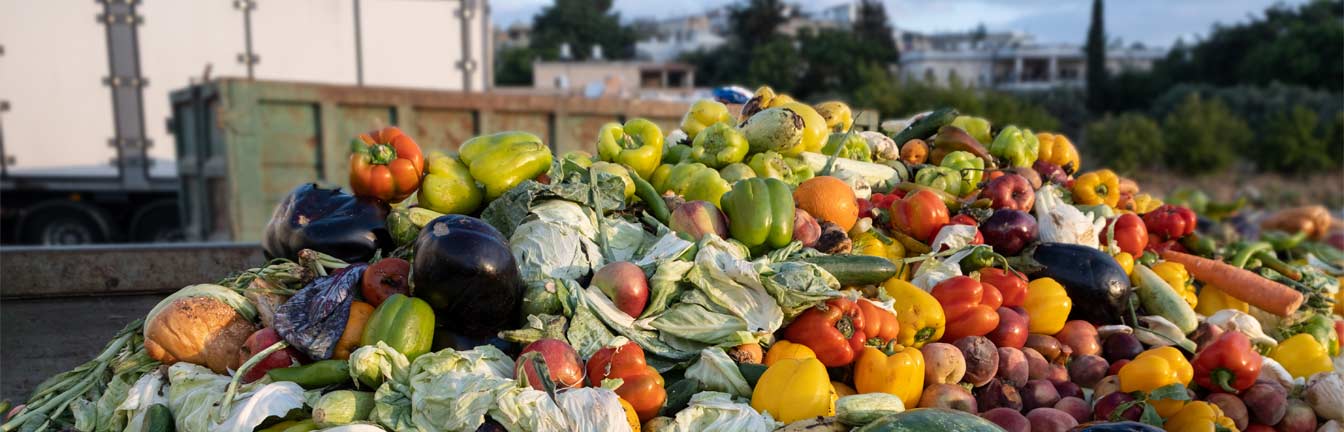
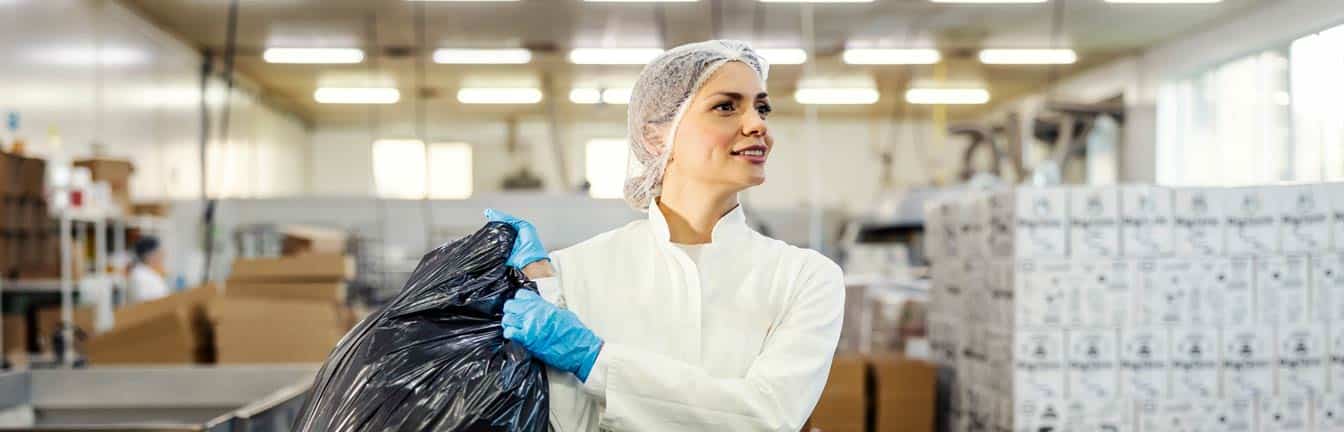
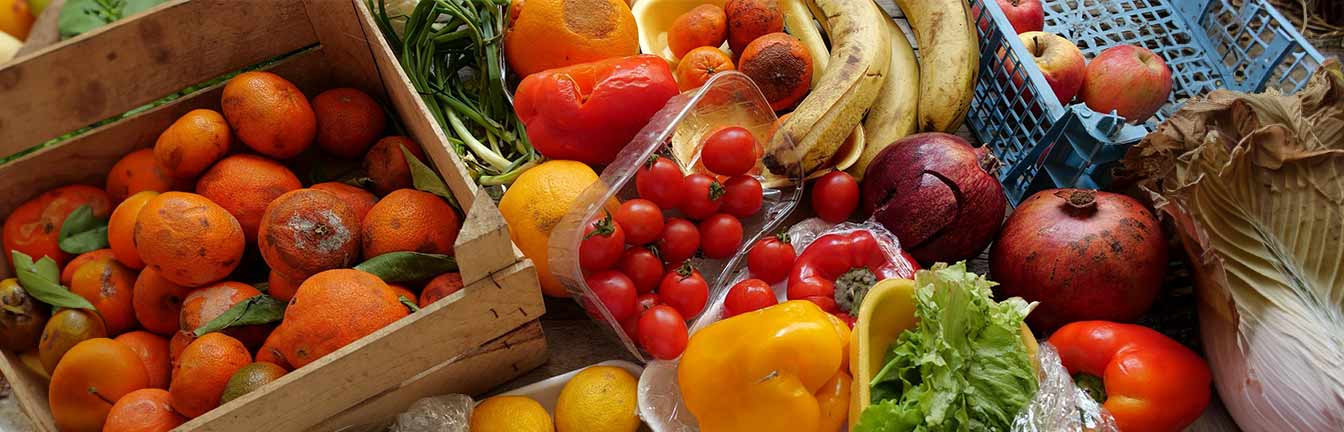
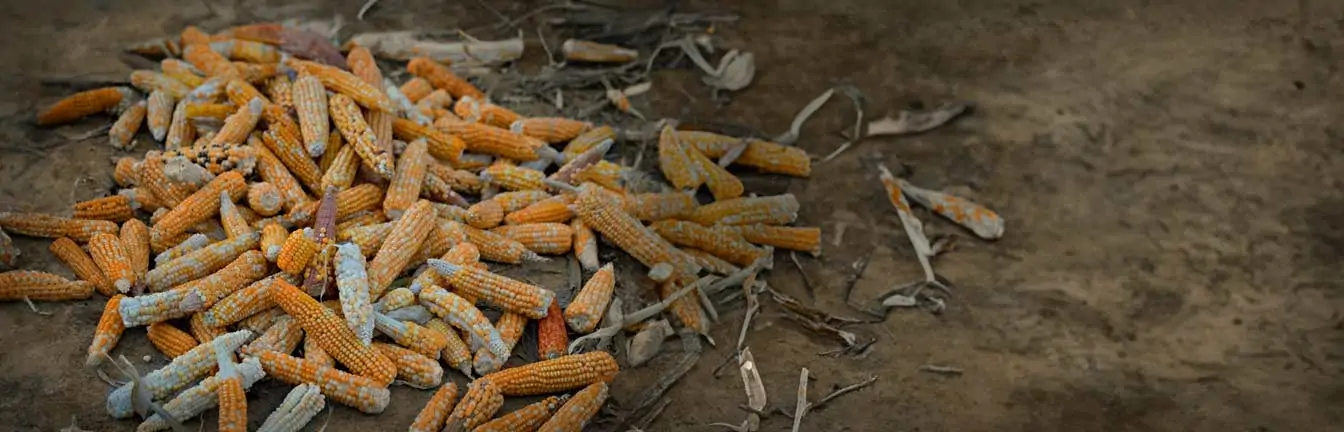
Food loss and waste is endemic within food supply chains, causing considerable economic, social, and environmental damage. With global hunger on the rise, addressing these inefficiencies is vital. According to the World Food Programme, the agrifood industry produces sufficient food for the global population, however, as much as 35% is lost or wasted from production to consumption, leading to widespread poverty and malnutrition. Moreover, food loss leads to systemic waste of resources such as land, water, and energy, exacerbating environmental concerns.
Loss and waste within the supply chain can occur for many reasons. At a farm level, pests, disease, adverse weather conditions, and increasingly unpredictable weather patterns due to climate change can damage crops and reduce yields. Further downstream, a lack of infrastructure, poor supply/demand forecasting, and poor food management practices can lead to overproduction and large amounts of wasted or spoiled product. Ultimately, a sustained effort to reduce food loss and waste across global supply chains will enable food producers to feed a larger population while simultaneously conserving resources. This transition is already under way, with the UN Sustainable Development Goals aiming to halve per capita food waste and food loss by 2030.
Download our sustainability brochure
Discover how our sustainability experts can build trusted sustainability & ESG practices into your business.
Addressing food loss and waste can have many operational and commercial benefits for food and agribusinesses, including:
Increased output:
By minimising losses during production, processing and distribution, businesses can produce more goods from the same amount of resources. New product lines can potentially arise from food that would otherwise have been lost or wasted. For example, agricultural residue can be repurposed and sold as feed ingredients.
By reducing food loss, businesses can achieve their forecasted output while using less raw materials, lowering procurement costs, storage requirements, land usage, energy and water consumption.
Addressing food waste helps businesses comply with increasingly stringent regulations. Avoiding legal issues and fines ensures continuity. Additionally, many governments and organisations offer funding to support waste reduction initiatives, further offsetting their costs.
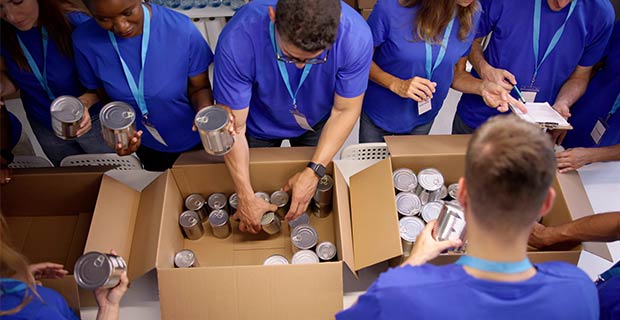
In an increasingly environmentally conscious market, businesses who commit to reducing waste can build a strong rapport with customers. This commitment can lead to increased loyalty and sales. Businesses may also be able to donate excess produce to food banks or charities, further enhancing their brand.
Our consultants can identify and address food loss and waste across supply chains. We develop strategic solutions to address unnecessary waste, reduce economic losses and bolster food security.
Our expertise
At Farrelly Mitchell, our food waste consultants have extensive knowledge of the latest waste reduction technologies and sustainability practices. We can assess and mitigate challenges throughout the supply chain by developing and implementing bespoke strategies for waste reduction, improving the overall efficiency and sustainability of your operation. Our data-driven solutions rely on cutting-edge analytics to identify where food loss is occurring, how much is being lost, and develop the most cost-effective solution.
Explore our FAQ for answers to common agribusiness queries. Can’t find your question? Contact our expert team for tailored assistance.
Where is food loss and waste most prevalent?
Food waste predominantly occurs at production and post-harvest stages in developing regions, due to inadequate infrastructure and storage. Conversely, in developed nations, it’s more prevalent at the retail and consumer levels, driven by stringent cosmetic standards and consumer behaviour.
What role do consultants play in reducing food loss and waste in agriculture?
Food waste consultants specialize in advanced waste reduction technologies and sustainable practices. They identify and solve supply chain issues, create efficiency-boosting strategies, and offer data-driven insights to minimize food loss.
What are some strategies to reduce food loss and waste in agriculture?
Effective strategies include better pest and disease management, improved supply chain infrastructure, enhanced forecasting, efficient food management, and waste reduction technology use. Repurposing agricultural residues and donating surplus produce are also viable methods.
How can agricultural businesses benefit from reducing food loss and waste?
By reducing food loss and waste, agricultural businesses can increase output using the same resources, cut input costs, comply with regulations, build a better environmental reputation, and access markets that value sustainability.
Why is addressing food loss and waste important?
Addressing food loss and waste is essential to feeding a growing population, conserving resources like land, water, and energy, lessening environmental impact, and alleviating poverty and malnutrition. Given that 35% of food is lost or wasted from production to consumption, tackling these inefficiencies is vital for sustainable development.
Discover why fixing the urban route to market and cold chain investment are vital for Saudi Arabia’s food security, cutting spoilage and unlocking returns.
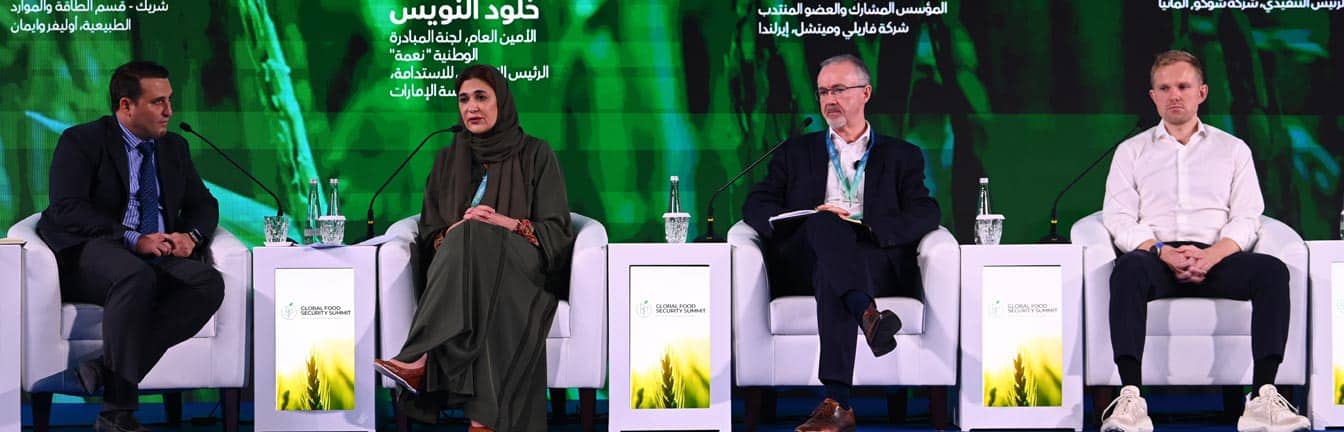
Discover key insights from the Global Food Security Summit 2024. Our food waste experts discuss how reducing food loss and waste can help ensure food security.
Food waste in the UAE is a pressing issue, with 3.27 million tonnes wasted annually. This article delves into the UAE food waste problem, its economic impact and outlines some potential solutions.
Explore key insights on waste management in the food and beverage industry and discover how pioneering companies are reducing waste and optimising resources.
Although food waste is a challenge faced across the world, Africa faces it at different points in the food system than developed countries. Read our expert insight on food security in Africa.
Reducing food loss and waste is key to long-term societal, environmental, and operational progress. Whether you are a producer, manufacturer, distributor, or retailer, our food waste consultants have the strategic insights you need to cut out food loss and waste from your operations. Contact us today to learn more.