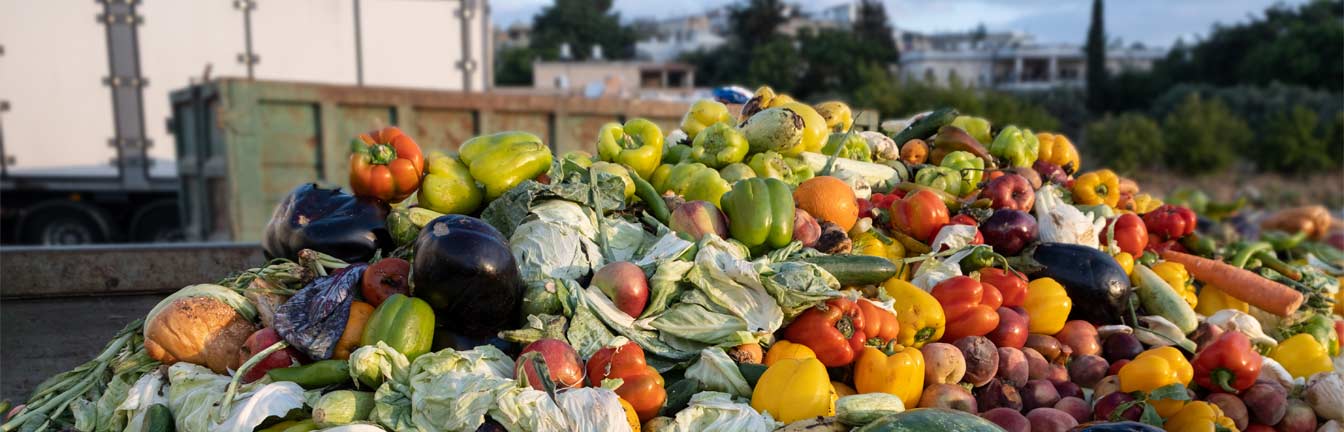
Food waste is a global issue that has become a focal point in discussions about environmental health, sustainability, and food security. In the United Arab Emirates (UAE), where the majority of the national food supply is imported, food waste poses a significant problem.
This article will explore the extent of food waste in the UAE, analysing its environmental and economic impacts, before reviewing how the UAE is currently tackling the issue and investigating some alternative food waste strategies.
The scale of UAE food waste
In the UAE, an estimated 3.27 million tonnes of food are wasted annually, costing the UAE economy approximately $3.5 billion per year, according to the Ministry of Climate Change and Environment. In Dubai alone, 38% of prepared food is wasted, a figure that rises to 60% during Ramadan. Food alone makes up about 40% of the average household’s waste.
The hospitality and food industries, driven by tourism and large-scale events, are major sources of food waste. In hotels and restaurants, buffets and lavish spreads of food are commonplace, which inevitably leads to large amounts of uneaten food being discarded.
Similarly, during Ramadan, refraining from eating during daylight often leads to food waste, as excess food spoils. Additionally, in an effort to make iftar (the evening meal to break the fast) and suhoor (the pre-dawn meal) more special and plentiful, participants may serve more food than necessary. In fact, demand for meat, vegetables, fruits, and dairy products increases by almost 50% during Ramadan, though most of this additional food is discarded, exacerbating the issue.
Impact of food waste on the UAE
From an economic point of view, the cost of food waste is substantial. The UAE imports approximately 80–90% of its food. The substantial cost accompanied with the purchasing, transporting, and importing unused food represents a significant financial drain and waste of resources that could otherwise be directed toward more productive sectors, such as technology, infrastructure, or local agriculture.
Furthermore, food waste also exacerbates the UAE’s vulnerability to global food price fluctuations. When food prices spike, the impact is felt more acutely in the Emirates due to their sheer volume of imports. Reducing the UAE’s food waste would lessen the demand for imports and reduce exposure to price shifts. Ultimately this means that conserving food resources through more efficient usage would also improve food security in the region and strengthen efforts towards food self-sufficiency.
But the impact of food waste in the UAE extends beyond food security and the economy, as it has significant repercussions at an environmental level too. Food waste also contributes to methane emissions, with a carbon footprint that roughly equates to the emissions of over a million cars. Consequently, reducing food waste is not only critical for conserving resources but also for achieving the environmental goals outlined in Ne’ma’s Food Loss and Waste Reduction Roadmap and Abu Dhabi Vision 2030.
Impact on the UAE’s food and agribusiness sector
Naturally, excess food waste poses significant challenges to the UAE’s food and agribusiness sector. Wasted food translates into lost revenue, increased operational costs, and missed opportunities.
For the UAE’s agribusinesses, margins are often tight, and food loss significantly impacts business profitability. When farms produce spoils or fail to reach markets on time, growers not only lose their potential revenue but also their initial investment. These losses add up, straining operational budgets and limiting the grower’s ability to reinvest.
Further down the supply chain, the operational costs associated with food waste are far-reaching. The accumulated labour, energy, warehousing, and transportation costs associated with wasted produce represent a substantial financial burden that ripples through the entire food system, ultimately driving up prices for consumers while diminishing returns for producers and distributors alike.
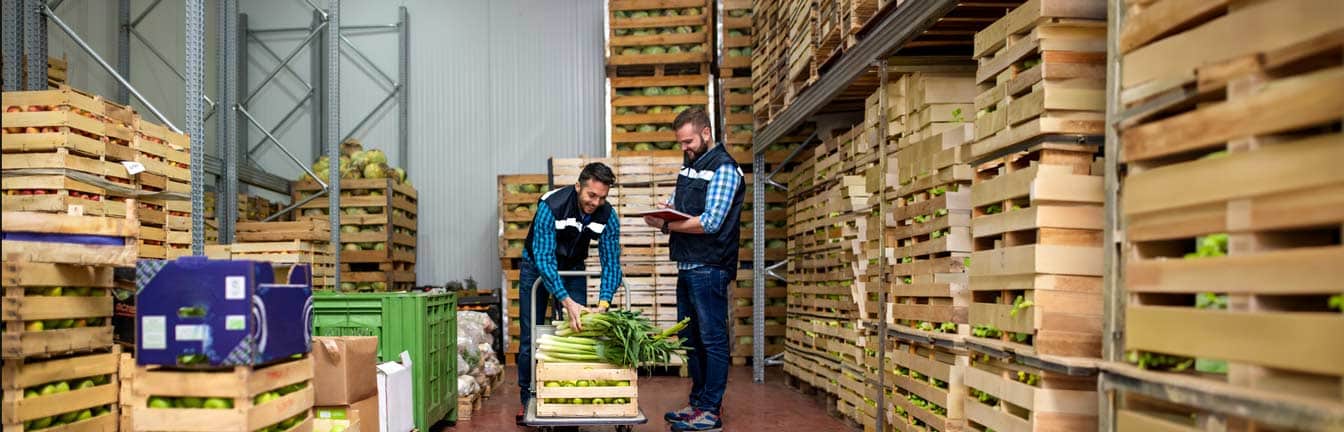
Supply chain inefficiencies compound this issue. Poor inventory management and inadequate storage often results in spoilage, while distribution delays can lead to quality deterioration. These issues inordinately affect perishable goods, where timing and proper handling are crucial. Without effective systems to track and manage inventory, many food and agribusinesses struggle to match supply with demand, leading to excess stock and eventual waste.
Reducing food waste
Numerous projects are underway to help reduce food waste in the UAE. For example, the National Food Loss and Waste Initiative (Ne’ma) campaign is a government plan aimed at raising awareness about food waste among businesses and consumers. Ne’ma encourages responsible consumption and aims to reduce waste along the entire food value chain. However, a lack of regulatory enforcement means that many businesses have not yet fully embraced its message.
Another initiative, the UAE Food Bank, works in conjunction with participating hotels, supermarkets, and food outlets to collect excess food and redistribute it amongst underprivileged communities. This initiative not only reduces food waste but also helps address food security issues, providing meals for people who otherwise might not have access to sufficient nutrition.
The UAE has also sought to limit food waste with the help of AI. By integrating reverse demand planning into the supply chains, many hotels in the UAE now use tracking and forecasting systems to reduce their food waste. For instance, Jumeirah Zabeel Saray reduced food waste by 20 tonnes, the equivalent of 50,000 meals, in 2022, while Hilton hotels reduced food waste by 62% across 13 properties in 2023.
Food waste valorisation is also likely to become part of the UAE’s food waste reduction strategy in the future. By transforming food waste into marketable commodities, such as compost, animal feed, or bioactive compounds, the UAE can simultaneously reduce the burden on landfills and create economic opportunities while contributing to a more sustainable circular economy. This approach not only addresses waste management challenges but also aligns with the country’s broader sustainability goals and food security initiatives.
How Farrelly Mitchell can help
In a region with limited agricultural land and high import dependency, excess food loss and waste can significantly hinder economic health and food security. At Farrelly Mitchell, we advise government agencies, multilaterals, NGOs, and corporations on the tools, technologies, and strategies that can mitigate waste, optimise resource usage, and ensure long-term sustainability and resilience.
Our food waste experts can advise on operations improvement, supply chain optimisation, agtech, agricultural water management, and much more. Contact us today to find out more.