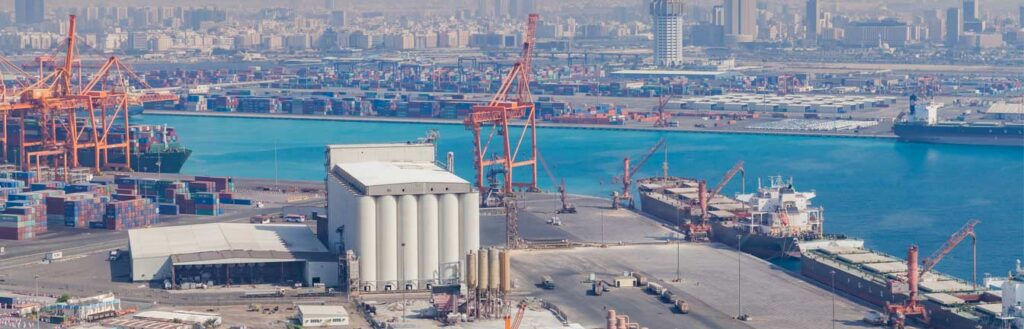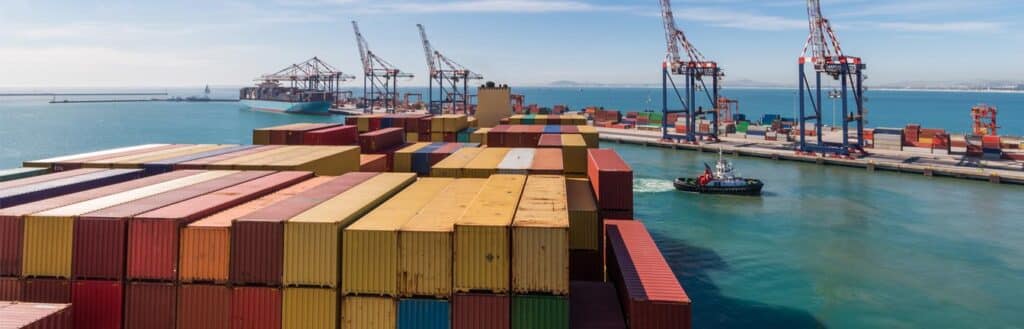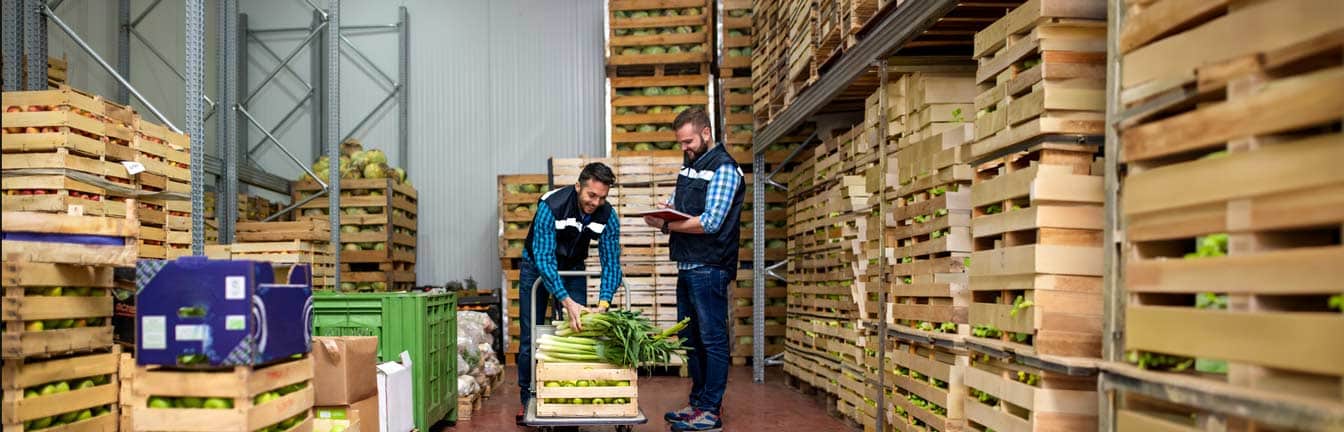

Globally it is estimated that one-third of the food produced for human consumption is lost or wasted. Food losses in developed countries are at similar levels to those in developing countries. The key difference is that more than 40% of food losses in developing countries occur at the post-harvest and processing levels while the same percentage of food losses in developed countries occur at the retail and consumer levels.
Food waste at consumer level in industrialized countries (222 million tons) is nearly equal to the total net food production in Africa (230 million tons). According to Deloitte, 32% of crops produced in Sub-Saharan Africa are not consumed.
Waste happens primarily in wealthy countries at the store and consumer end of the supply chain, where perfectly edible meals are discarded for what might be considered more trivial reasons such as aesthetics. While on the other hand, people in developing regions like West Africa rarely throw food out. However, the quality of edible food deteriorates over the long, circuitous journey from farm to table.
The amount of food wasted in West Africa at the retail and consumer level is largely undocumented and there are few studies on the subject.
Solutions to food waste in West Africa
West Africa has made tremendous agricultural improvement during the last three decades. However, supply is only one part of the equation and increased production does not always equate to less hunger. Getting produce to the consumer in good quality is crucial to ensuring food security.

The majority of food losses in Sub-Saharan Africa are attributed to agricultural and post-harvest losses.
Challenges in solving food waste in West Africa
In Africa, 80 percent of food is produced by smallholder farmers who cannot afford the latest harvesting technologies and mostly engage in subsistence farming. If they’re lucky they will produce just enough to earn a modest income.
In comparison to machine-assisted harvesting, manual harvesting is a slow and laborious procedure and leads to more crop damage. Produce that has been mishandled during harvest is more prone to illness and rot while being transported to market.
“Transport costs in West Africa are among the highest in the world” According to the Borderless Alliance, a private-sector coalition that works to promote greater intra-regional trade by reducing non-tariff barriers.
“The high costs mean that farmers and other producers get lower prices for their goods”, and this lost revenue keeps farmers poor, depriving them of critical resources to invest in harvesting and processing machines, storage solutions and better transport options.
Establishing Africa food security
At Farrelly Mitchell, our strategic consultancy services aim to enhance food security in developing regions and ensuring that food supplies are managed more efficiently and sustainably.
By leveraging our deep understanding of food and agribusiness, we support the development of innovative solutions to reduce food waste and build resilience in food systems against current and future disruptions. Our goal is to facilitate the transition towards more self-sufficient and sustainable supply chains, mitigating the risk of shortages and contributing to global food security.