
Background
The client for this project was an advanced manufacturing business based in Europe, operating in more than 40 countries with solutions across agriculture, building, infrastructure, and industrial applications. Recognised as a leader in its sector, it has deep expertise in critical resource systems and a commitment to sustainable growth.
In 2022, the client established a dedicated investment division to pursue adjacent growth opportunities with real societal impact, particularly in improving food security and access to fresh water globally. Its manufacturing scale, supply chain reach, and water expertise positioned it to add significant value to businesses in these areas.
Problem
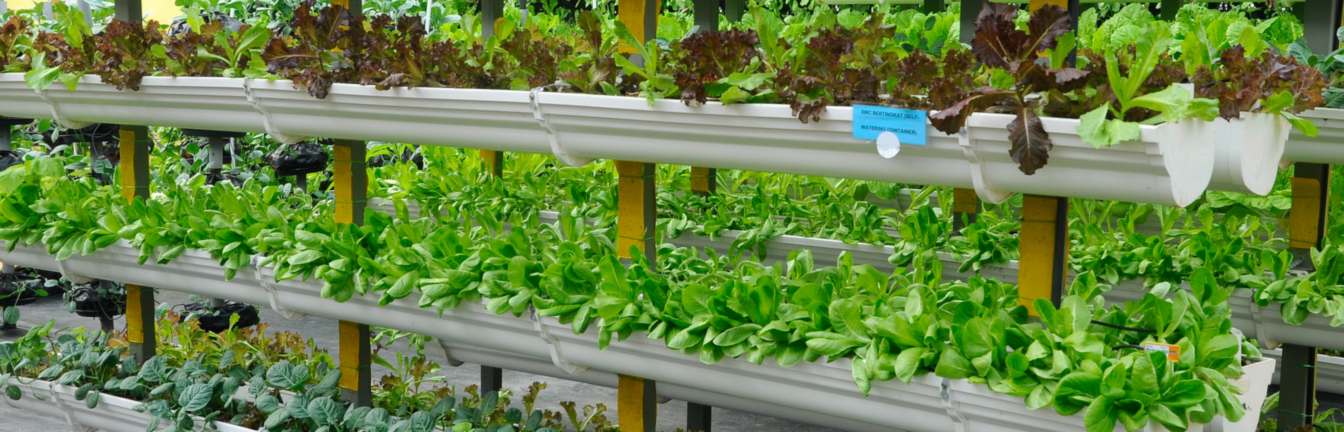
Controlled environment agriculture is changing how and where food is grown, allowing crops to be produced indoors regardless of geography, climate, or season. The global CEA technology sector is growing at 5% a year, and container-based vertical farming, which houses growing systems in repurposed shipping containers, has emerged as one of its most accessible and scalable forms, driven by demand for local food, the economics of urban agriculture, and pressure on businesses to show environmental responsibility. North America, Europe, and the Middle East are a case in point, combining strong demand for local fresh produce with mounting pressure on water and land. For the client, these trends presented both an opportunity and a challenge.
Despite the target’s record of more than 400 farms sold since 2012, its proprietary containers, and its farm management software, the client lacked an independent view of whether to invest. The company forecast revenue growing at a compound annual rate of 89%, from over USD 60 million in 2023 to nearly USD 800 million by 2027, with 75% of 2027 revenue expected from product lines not yet commercialised, and margin gains that depended on significant efficiency improvements. The client needed to understand the competitive landscape, the strength of the technology, customer satisfaction, and strategic fit with its ambitions in food and agriculture. Investing on optimistic assumptions risked overpaying for growth that might not materialise.
Solution
Farrelly Mitchell was engaged to conduct a commercial and technology due diligence of the target. Our brief was to test a high-flying set of projections against what buyers, rivals and the hardware itself could tell us. To build that picture, we:
- Analysed the target’s business plan, operations, and financials.
- Assessed markets and trends in North America, Europe, and the Middle East.
- Mapped competitors and reviewed pricing against cost drivers.
- Benchmarked the technology against industry best practice.
- Tested yield, water use, and energy use against expected norms.
- Interviewed a representative sample of customers.
- Reviewed scalability, operational challenges, and ESG.
- Ran a SWOT analysis of the target.
Impact
The due diligence delivered by Farrelly Mitchell provided the client with a clear line of sight to the risks and opportunities of the investment, identifying no critical red flags and confirming the target’s leadership position within container vertical farming. It concluded that the client could proceed, subject to the transaction meeting all of its investment evaluation criteria.
The commercial assessment found strong momentum, with a well-designed website central to inbound sales, comprehensive marketing collateral, and a customer relationship management system with scope to improve conversion. It also raised orange flags: projections relied heavily on new product lines, including a smaller unit for the hospitality sector that was still in beta, and international expansion carried material complexity and cost.
The technology and customer assessment confirmed best-in-class hardware with the highest-specification climate control in the market, and the most advanced, user-friendly farm management software available. Yields were at or above benchmarks, water and energy use at the lower end of competitor ranges, and its selling price mid-range in a market range of around USD 3,000 to 10,000 per square metre of growing area. Customers valued structured onboarding and support, although support capacity was stretched, long working hours pointed to automation gaps, customers’ energy use was above the target’s own expectations, and the capability to serve multi-unit buyers needed strengthening.
The due diligence also confirmed strong alignment with the client’s water and food security strategy, as the target’s water efficiency and contribution to local food production supported progress towards UN Sustainable Development Goal 6.
Forge ahead with Farrelly Mitchell
Viewed as a whole, the engagement equipped the client to make an informed investment decision grounded in commercial viability, technological strength, and strategic fit, offering a blueprint for corporate investors entering emerging agtech sectors worldwide. It also shows how the rigorous, data-driven due diligence we deliver at Farrelly Mitchell supports high-value investment decisions. Our global presence and deep local market expertise enable us to provide insights that go beyond surface-level market overviews to deliver genuinely actionable strategic guidance.
Our comprehensive suite of advisory services includes commercial due diligence, technology assessment, strategic market analysis, customer research, and investment evaluation. To explore how Farrelly Mitchell can support your organisation’s strategic objectives in food and agriculture, wherever you operate, contact our team today.

