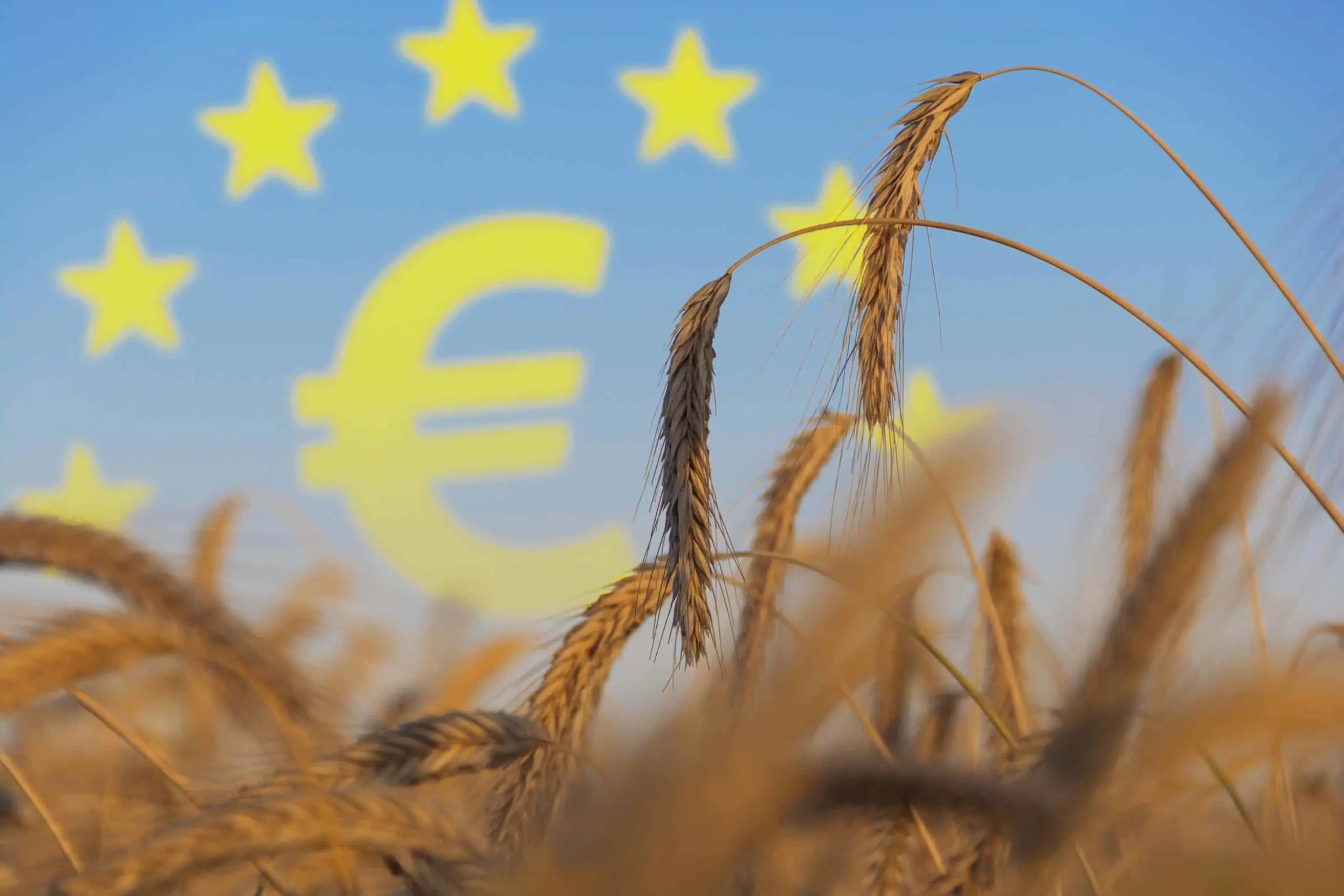
The EU continues to aim for enlargement, and candidate countries are looking to align their national food safety, veterinary, and phytosanitary standards with the EU acquis. Currently, Albania, Moldova, the Republic of North Macedonia, Montenegro, Serbia, Turkey, and Ukraine are candidate countries. Bosnia and Herzegovina and Kosovo have the status of potential candidates.
EU requirements and supports
In order to become an EU member state, all countries must comply with the EU’s high standards in a number of areas. These rules are divided into 35 different policy fields, such as transport, food safety, energy, environment, etc., each of which is negotiated separately. Chapter 12 covers detailed rules in the area of food safety. The general foodstuffs policy sets hygiene rules for foodstuff production. Furthermore, the acquis provides detailed rules in the veterinary field, which are essential for safeguarding animal health, animal welfare, and the safety of food of animal origin in the internal market. In the phytosanitary field, EU rules cover issues such as the quality of seed, plant protection material, harmful organisms, and animal nutrition.
The EU helps countries that wish to become members with political, financial, and technical support. This makes it easier for them to make progress in meeting the requirements of membership, in particular implementing far-reaching reforms and aligning with EU rules and regulations. The European Union provides countries with financial support through the Instrument for Pre-accession Assistance. The Commission and the Member States also support the enlargement countries’ public administrations with technical assistance to align, apply, and enforce EU legislation as well as facilitate the sharing of EU best practices. This is done inter alia through TAIEX/Twinning workshops, expert missions, and study visits.
The European Food Safety Authority (EFSA) supports potential EU enlargement countries under the EFSA Pre-Accession Programmes. These programs aim to increase the preparedness of the national authorities for their possible future cooperation with EFSA as full members of the EU. Target groups for this work include national food safety authorities, scientific, academic, and civil society organisations, consumer protection NGOs, food business operators, and food producers.
What are the issues for each of the EU enlargement countries?
In 2019, the European Commission released several reports assessing food safety in countries potentially joining the EU. The reports raise different issues for different candidate countries and reveal progress at different speeds.
In candidate countries, there are a wide range of businesses within the food chain, including many small-scale producers who are struggling to meet the increased costs of reaching EU standards and rules that are often geared towards larger producers.
It is reported in Serbia, however, that more flexible food safety bylaws are making it easier for small-scale producers to sell their products in formal markets. The revised rules developed in conjunction with the FAO and the EBRD are in line with existing EU food safety standards and include derogations for traditional products based on local fruits, vegetables, and fresh herbs. They add to previous measures developed for Serbian meat and dairy products. The reports conclude that Montenegro and Serbia are moderately prepared for EU enlargement, while Albania, Turkey, and Bosnia, and Herzegovina are progressing in the preparation.
How is the EU helping EU enlargement candidate countries with food safety standards?
The EU has been supporting reforms in potential member countries with financial and technical assistance since 2007 through the Instrument for Pre-accession Assistance (IPA). The IPA funds capacity building throughout the accession process.
The general objective of the new IPA III instrument is to support the beneficiaries in adopting and implementing the political, institutional, legal, administrative, social, and economic reforms required by those beneficiaries to comply with the Union’s values and to progressively align to Union rules, standards, policies, and practices, including food standards, with a view to Union membership.
Different candidate countries, however, face different challenges. For example, in 2019, the EU launched a €5 million program on food safety support for Albania. The four-year support for the candidate country aims to scale up Albania’s food safety, veterinary, and plant health standards with support from Ireland and Finland. Thus, support is not just provided at the EU level, but some individual member states are also involved. The EU’s Food Safety project is supporting Albania in modernising its food safety capacities by:
- Strengthening organisational and human resource capacities of Albanian institutions;
- Enhancing public awareness and communication on food safety;
- Helping adopt new legislation and regulations in line with EU standards.
The funding is also providing practical help. In 2021 the EU provided funding for more than 30 vehicles for use by authorities in Bosnia and Herzegovina for phytosanitary inspections as well as food controls and surveillance. The 33 new all-terrain vehicles worth EUR 467,000 are intended for use by the country’s authorities to support alignment with EU standards.
The investment will mean that the monitoring of the human and animal food chain will be faster, the time between taking a sample during border inspections and the final analysis will be shortened, and the time spent on issuing phytosanitary certificates will also be reduced. The vehicles will improve cross-border and internal control, and inspectors will be more mobile and able to reach companies supplying the domestic market as well as exporters to the EU itself.
What is impacting EU enlargement right now?
EU enlargement is back on the agenda, especially in the wake of the war in Ukraine. Aligning different food standards and systems to those of the EU remains a key challenge for candidate countries. Against this background, the EU is helping candidate countries to prepare for enlargement by taking a flexible approach, involving existing member states alongside the provision of funding and monitoring progress towards alignment.
Forge ahead with Farrelly Mitchell
Whether you are shaping policy, directing investments, or steering agribusiness projects, our insights can guide you through the complexities of today’s food safety landscape and the regulatory requirements of tomorrow. Our policy and regulation consultants can help you anticipate and adapt to the dynamic changes that influence the agricultural supply chain, ensuring your decisions are informed, strategic, and aligned with future trends.
Contact us to explore how our expertise can enhance your approach to food safety standards and agribusiness challenges, paving the way for successful navigation through the prerequisites of EU membership and global agricultural demands.