Expertise
The fisheries and aquaculture industries provide a key source of accessible and nutritious food to billions of people around the world and support the livelihoods of nearly half a billion people. They are a key contributor to the global economy, while supporting coastal communities and contributing to local and global trade dynamics.
In recent years, fisheries and aquaculture production has undergone significant changes. Declining wild fish stocks, increasing weather-related shocks, and concerns over the long-term sustainability of fisheries have seen aquaculture grow in popularity. Additionally, shifting consumer demands, new technologies, and increased regulation have impacted overall fish production.
With ecological and economic aspects of fisheries and aquaculture receiving more attention across scientific, public, and political communities, aquaculture and fisheries stakeholders must pursue sustainable economic, social, and technical growth while curtailing destructive fishing practices, and reducing food waste and post-harvest losses.
Farrelly Mitchell is a trusted partner to businesses and governments in the fisheries and aquaculture sectors. With our unique blend of market, value chain, and policy expertise, we provide insights on sustainable fishing practices, aquaculture techniques, regulatory compliance, and seafood market trends as well as strategies for market growth and risk management. Our consultants know how to manage and optimise fisheries and aquaculture operations and are committed to providing supports that are both financially viable and environmentally sustainable.

We conduct commercial, technical and financial assessments to identify market opportunities, understand operational requirements, and establish the financial viability of investments in the fisheries & aquaculture sectors.

We conduct industry audits to identify and address non-compliance with legislation, market requirements, or international standards. This may include catch quotas, permits, food safety standards, traceability and transparency systems, biosecurity measures, environmental regulations, and more.
We support governments, NGO’s and multilaterals in developing and reviewing policies related to fisheries and aquaculture.

We identify and proactively address risks such as post-harvest fish loss, aquatic diseases, market volatility, environmental shocks, and regulatory changes.
At Farrelly Mitchell, we have an in-depth knowledge of fisheries and aquaculture, owing to over two decades of supporting public and private stakeholders in these sectors. We have collaborated with clients at all levels of the fisheries and aquaculture value chain, achieving commercial growth and contributing to impactful industry-wide improvements.
With the support of our food and agribusiness specialists, you can navigate challenging technical, regulatory, and market forces within the fisheries and aquaculture sectors, ensuring long-term commercial success while safeguarding the future of our seas.
Stay up to date with the latest agribusiness publications.
Explore our FAQ for answers to common agribusiness queries. Can’t find your question? Contact our expert team for tailored assistance.
Fisheries are subject to a range of regulations designed to ensure sustainable practices and environmental protection. These include quotas on catch amounts, restrictions on fishing methods, seasonal closures to protect breeding cycles, size limits for certain species, and specific rules for endangered species. Businesses should consult with policy experts to ensure compliance.
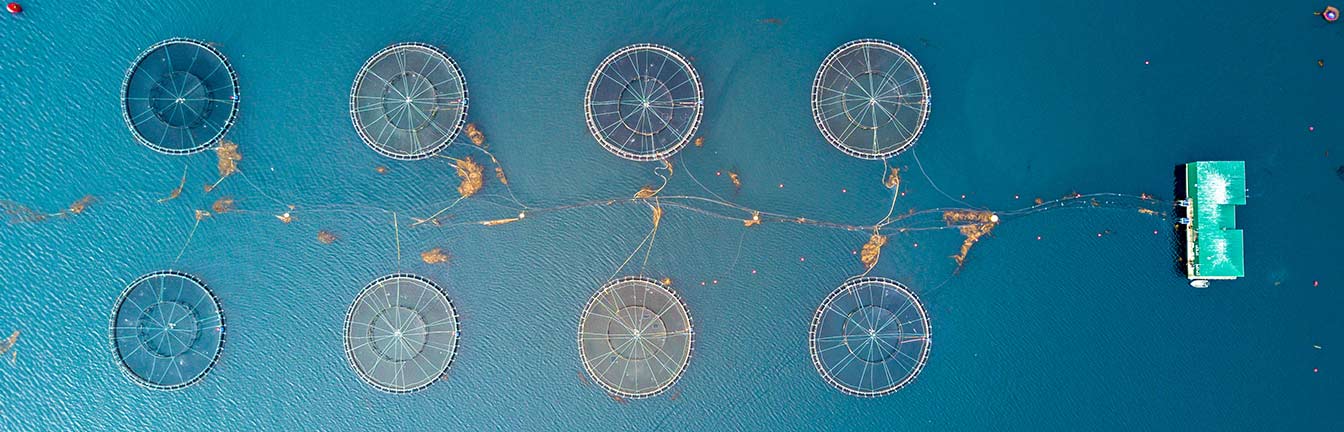
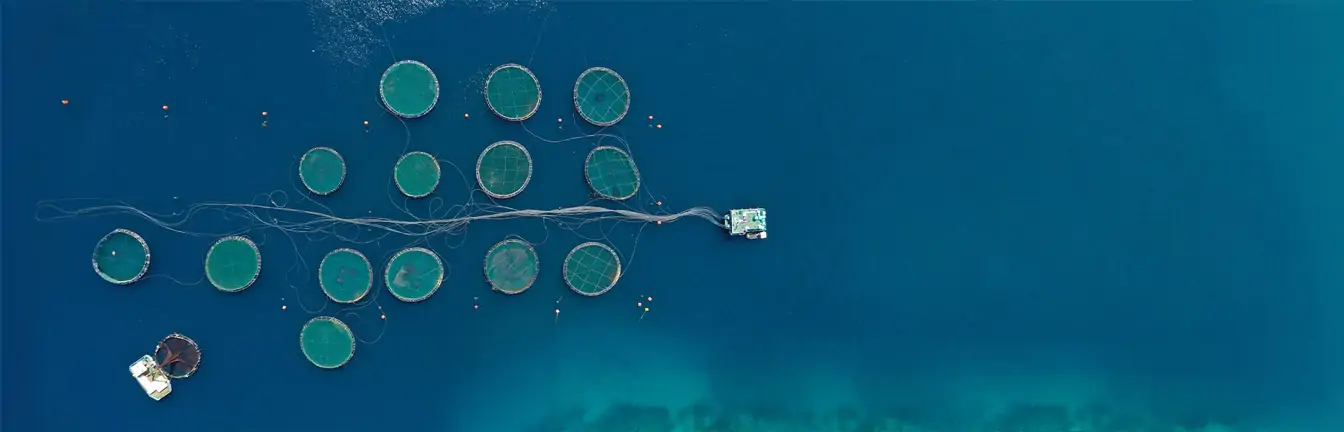
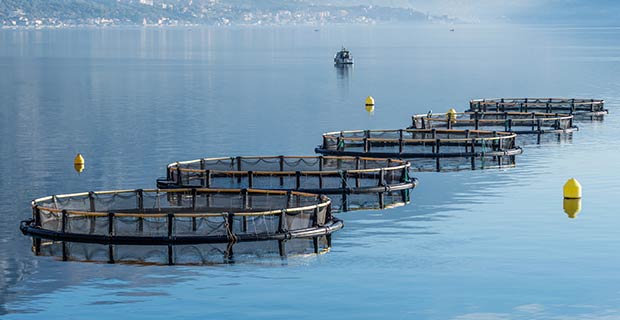
Fish farms should be strategically located to reduce ecological disruption and biodiversity loss. When establishing new fisheries, farmers should consult experts to ensure that their operations are sustainable.
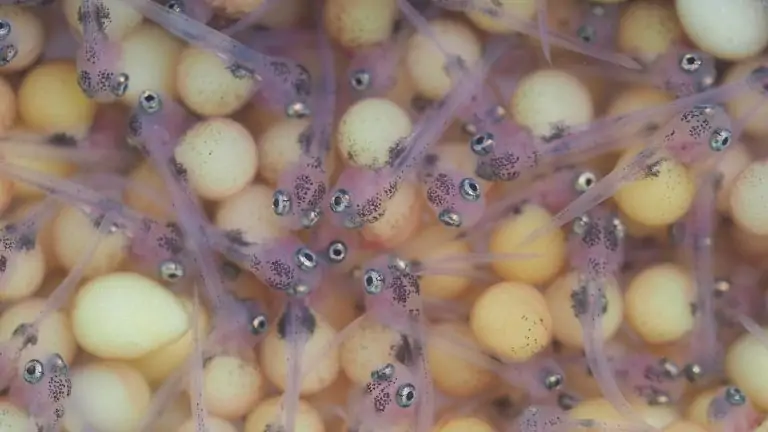
Aquaculture farms are isolated, with fish densely packed, making them vulnerable to the spread of pests and diseases. With the support of aquaculture experts, farmers can establish proper aquaculture management, ensuring proper biosecurity and administering treatments where necessary.
Aquaculture can significantly reduce hunger and enhance livelihoods in developing countries by providing a sustainable food source and generating employment. Fish is nutrient-rich and an excellent source of protein, making it a crucial food group that is set apart from livestock/poultry.
If you require first-hand expertise, in-depth sector knowledge and actionable insights, our fisheries & aquaculture experts can help. Contact us today for a better understanding of the on-the-ground realities and challenges affecting businesses within the fisheries and aquaculture sector.
Receive the latest updates from the agribusiness world, including fresh insights and more, directly in your inbox.
Our team are ready to help you on the pathway to achieving your goals in food or agribusiness.