
food production consultants header

Food production consultants warn of energy crisis impact

There are, however, a wide range of factors driving increased energy costs – these include:

  • The Russia-Ukraine war including the damage to infrastructure from the conflict, as well as trade sanctions against Russia;
  • A rebound in the global economy following the end of the Covid-19 pandemic;
  • Climate and sustainability and the need to transition away from fossil fuels;
  • Failure to invest in alternatives – including nuclear, and storage of LPG.

The link between fertiliser and energy prices

Nitrogen is an essential nutrient for virtually all plant life. Ammonia is the starting point for all mineral nitrogen fertilisers, and half of the ammonia is converted to urea, the most common nitrogen fertiliser product used globally.

energy prices


Across the world, ammonia is made almost exclusively from natural gas, consuming around 170 billion cubic metres (4% of global gas consumption). The exception is China, where ammonia production is based mainly based on coal.

Fertiliser prices have more than tripled since mid-2020 to reach their highest level since the 2008-09 food price crisis and their highest level on record in the case of urea. The recovery in demand following the end of the Covid-19 pandemic has partly driven this surge in fertiliser prices.

Why are rising energy prices impacting food production?

Many farm activities are energy intensive. For example field cultivations and heating greenhouses, buildings, and dairies use fuel that can be a substantial cost to the farm.

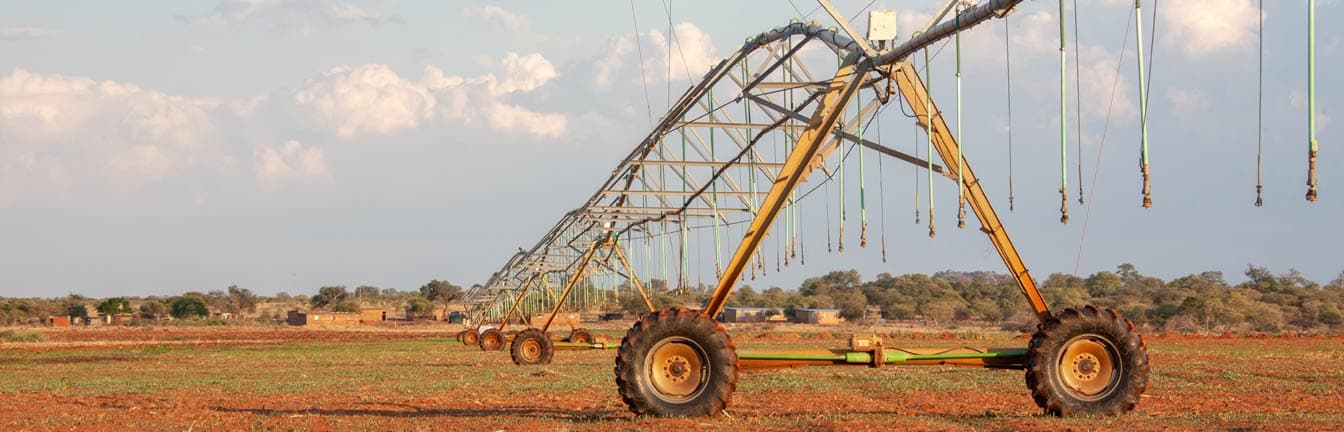
Direct energy use in agriculture includes electricity for automated water irrigation, fuel consumption for farm machinery and energy required at various stages of food processing, packaging, transportation, and distribution.

Pesticides and mineral fertilisers use a lot of energy to manufacture which results in large quantities of energy being used indirectly. While the share varies considerably between regions – depending on factors such as weather conditions and crop types – direct and non-direct energy costs can account for 40% to 50% of the total variable costs of cropping in advanced economies such as the United States.

Higher energy and fertiliser prices, therefore, lead to higher farm production costs and higher food prices.

How are policymakers responding to rising energy prices?

Are there specific policies to alleviate fuel and fertiliser prices? According to the IEA (International Energy Agency), short-term policy concerning energy and fertilisers could include the following:

  • Enhance international dialogue and cooperation on energy and food supply security.
  • Incentivise and enable food growers to increase the efficiency of nutrient use.
  • Alleviate pressure on natural gas and oil markets by adopting short-term measures to reduce demand.

Policy responses have to date focused on measures to protect consumers from price inflation, rather than long-term changes to food and farming policies, however, food price inflation has stimulated debate on the need for increased food production in some countries.

Food production consultants

Unfortunately, there is no quick fix to ease rising food and fuel prices, and high prices for these essentials are likely to persist for some time. Amidst escalating energy costs driving up food prices and the cost of living globally, businesses within the food supply chain must consider their options.

Farrelly Mitchell provides strategic insights and solutions for businesses navigating these challenges. Our expertise spans sustainability and esg, supply chain optimisation, clean energy solutions, and risk advisory services, and we leverage this experience to assist clients in adapting to rising production costs.

If you are looking to explore renewable energy sources, enhance efficiency in food production and distribution, and implement sustainable agricultural practices, reach out to us today. By focusing on long-term resilience and sustainability, our consultants can support you in mitigating the impact of fluctuating energy prices, ensuring economic viability and environmental responsibility.

Download our Food safety & security Insight

Food production consultants warn of energy crisis impact
related-agribusiness-services

Related services and expertise

Author

daniellecullen

Frequently asked questions

Explore our FAQ for answers to common agribusiness queries. Can’t find your question? Contact our expert team for tailored assistance.

How do rising energy prices affect the cost of food production?

Energy costs influence food production at multiple levels. Direct costs include fuel for machinery, irrigation, and greenhouse heating, while indirect costs arise through fertilisers — particularly nitrogen fertilisers, where natural gas accounts for 70–80% of ammonia production operating costs. Together, these can represent 40–50% of total variable cropping costs in advanced economies.

What is the relationship between fertiliser prices and the energy crisis?

Ammonia — the basis for all mineral nitrogen fertilisers — is produced almost exclusively from natural gas, creating a direct link between energy markets and food production input costs. Fertiliser prices more than tripled from mid-2020, and in 2022 nitrogen fertiliser plants announced temporary closures due to spiralling natural gas costs.

Which food production sectors face the greatest exposure to high energy costs?

Crop production is generally more energy-intensive than livestock production, with greenhouse growers in Northern Europe particularly exposed to gas price volatility. Within food manufacturing, baking, milling, and fruit and vegetable processing have seen energy’s share of total production costs rise to as much as 30%.

How are policymakers addressing the energy crisis’s impact on food production?

Policy responses have focused primarily on consumer protection rather than structural reform. The IEA has recommended enhanced international cooperation, improvements in fertiliser use efficiency, and demand-reduction measures. Means-tested household support has been widely adopted, though price controls — common in emerging markets — risk encouraging waste and creating food shortages.

What are the long-term implications of the energy crisis for food production investment?

Sustained high energy prices are likely to reduce risk appetite across the food supply chain. Food manufacturers may scale back research and product development, while farmers are expected to reduce planting of certain crops and minimise cultivation to conserve fuel. Investment caution is expected to persist until energy markets stabilise.

More insights

8 min read
Discover how Special Agro-Industrial Processing Zones are driving climate-smart agro-industrialisation in Africa. . . .
8 min read
Our agribusiness strategy execution experts discuss why category management is favouring year-round supply and how that is impacting suppliers, producers, . . .
7 min read
Discover how viability gap funding could make African climate-smart agriculture more bankable, unlocking private capital for climate adaptation. . . .
8 min read
Our natural capital experts discuss how investing in natural capital is constrained by mispriced risk, and how market-based instruments and . . .
8 min read
Discover how a national seed potato certification system could strengthen Saudi Arabia food security, reduce import dependence, and build seed . . .
11 min read
Our food engineering consultants examine the six structural trends reshaping the flavour and food ingredients industry, from R&D and M&A . . .

Subscribe to our newsletter

Receive the latest updates from the agribusiness world, including fresh insights and more, directly in your inbox.

FM Agribusiness newsletter

Get in touch

Our team are ready to help you on the pathway to achieving your goals in food or agribusiness.

This form collects your name, email address and contact number so that Farrelly Mitchell can communicate with you and provide assistance. Please check our privacy policy to see how we protect and manage your submitted data.

Speak with our food & agribusiness experts

Want to call us directly? We’d love to hear from you.
Here’s how you can reach us.
Philip Farrelly food and beverage consulting companies
Managing Partner
Unit 5A, Fingal Bay Business Park, Balbriggan Co. Dublin Ireland. K32 EH70