Veganism has moved from a niche lifestyle choice to a recognised influence on how food and beverage companies develop products, manage portfolios, and source ingredients. The Economist declared 2019 the “Year of the Vegan”, and alternative protein investment grew rapidly as plant-based meat and dairy alternatives secured retail listings and fast-food partnerships over the following two years. Since then, however, the market has become considerably more uneven, with steady growth in some categories and countries alongside sharp declines in others.
Strict veganism remains a minority diet, with GlobalData’s Q1 2025 consumer survey finding that only 3% of consumers identified as vegan and 5% as vegetarian, whereas 15% described themselves as low-meat and 8% as flexitarian. This larger group of consumers, who are reducing rather than eliminating animal products from their diets, now accounts for most of the demand for plant-based foods and tends to judge products on taste, price, and health as much as on ethics. This article examines how the plant-based market has performed, how food companies and retailers are adjusting, what the shift means for agricultural production, and where alternative protein investment is likely to flow.
Plant-based sales have slowed and diverged by market
Global retail sales of plant-based meat, seafood, milk, yoghurt, ice cream, and cheese reached an estimated USD 28.9 billion in 2025, an increase of 3% on the previous year, according to Euromonitor data published by the Good Food Institute (GFI). Plant-based meat and seafood accounted for around USD 6.6 billion of this total, and global sales in this category have roughly tripled since 2015. However, these headline figures conceal considerable differences between countries and product categories.
The United States, which led the early growth of the category, has seen the steepest decline. US retail sales of plant-based meat and seafood fell by 10% to USD 1 billion in 2025, with unit sales down 11%, while sales of plant-based milk fell by 2% to USD 2.7 billion. Plant-based foods now make up just 1.1% of total US retail food and beverage sales, which suggests that the category has settled at a much lower level than many early forecasts predicted.
Europe presents a more mixed picture than the US. GFI Europe’s analysis shows that plant-based sales across the six largest European markets reached EUR 4.75 billion in 2025, up 3.3% on 2024, with sales volumes rising in France, Germany, Italy, and Spain. Germany remains the largest market, with retail sales of EUR 1.71 billion and volume growth of 6.2%, whereas sales in the UK fell by 1.2% in value and 2.5% in volume to GBP 848 million. GFI Europe links much of the growth to a narrowing price gap between plant-based products and their animal-based equivalents, which may make the region a more stable base for alternative protein investment than the US.
Plant-based milk has proven to be the most durable category. For instance, plant-based milk accounted for 13% of US retail milk sales by value in 2025, and plant-based milk and drinks made up 9.2% of retail milk sales volume in Germany. Conversely, plant-based meat has been more vulnerable, as concerns about price and ultra-processed foods have reduced purchase volumes in several markets.
Food companies and restaurants are reassessing their plant-based portfolios
The early enthusiasm among large food and restaurant companies has given way to a more selective approach to alternative protein investment, and several of the moves that signalled the mainstreaming of veganism in 2018 and 2019 have since been reversed. For instance, Unilever, which acquired The Vegetarian Butcher in 2018, agreed in 2025 to sell the brand to Vivera.
Fast-food restaurants have followed a similar course. McDonald’s, which trialled vegan burgers in the Nordic countries and later developed the McPlant with Beyond Meat, ended its US trial without a national launch. It then removed the McPlant from menus in Austria in July 2025 and in Germany in October 2025, citing low demand. This has placed considerable pressure on the brands that supplied these chains. Beyond Meat’s revenue fell by 15.6% to USD 275.5 million in 2025, its lowest level since becoming a public company.
At the same time, retailers have become an important source of growth. In Germany, supermarket and discounter private-label products accounted for 60% of plant-based sales volume in 2025, and GFI Europe reports that cheaper own-label ranges have helped to close the price gap with meat and dairy. This shift may put further pressure on branded manufacturers, although it also creates opportunities for contract manufacturers and ingredient suppliers that can produce at scale and at a competitive cost.
Plant-based demand is creating new opportunities for crop producers
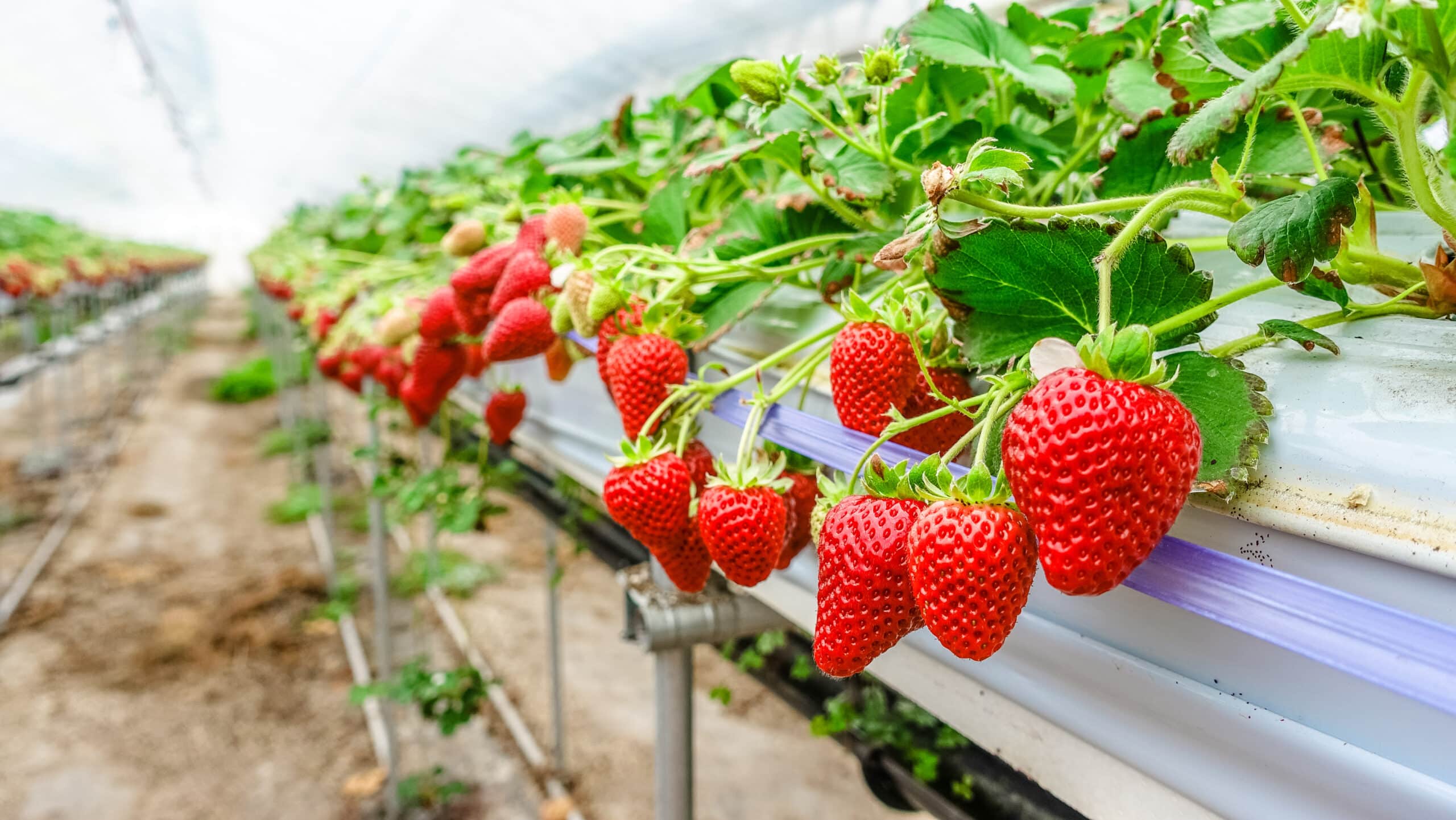
The vegan movement was often presented as a threat to livestock producers. In practice, however, the more significant effect for primary producers has been growing interest in protein crops grown for direct human consumption. Peas, faba beans, lentils, chickpeas, and oats now supply the protein isolates, concentrates, and flours used in most plant-based meat and dairy products, and processors are increasingly looking to source these crops locally.
This is particularly relevant in Europe, which remains heavily dependent on imported protein. According to the European Commission, the EU produces around 67 million tonnes of plant protein a year but consumes around 80 million tonnes. In 2025, only 25% of the protein from oilseeds and protein crops consumed in the EU was sourced within the bloc. Consequently, the EU and several member states have prioritised protein crops, and several farmer groups, such as the Protein Farmers of the Netherlands, are now growing faba beans, lupins, and chickpeas for food rather than feed.
However, growers continue to face practical barriers. Many protein crops are often less profitable than cereals, yields can vary considerably under changing climatic conditions, and many regions lack the cleaning, dehulling, and processing capacity needed to supply food-grade ingredients. As a result, the opportunity is likely to favour producers who can secure offtake agreements with processors and invest in the storage and primary processing that buyers require.
Investment has shifted from start-ups towards scale and public funding
Investment in alternative proteins has fallen considerably since the period of low interest rates before 2022. GFI reports that alternative protein companies raised USD 881 million in 2025, down from USD 1.1 billion in 2024 and the lowest annual total in seven years. Plant-based companies raised USD 450 million, an increase of 39%, although USD 100 million of this came from a single debt facility for Beyond Meat. Fermentation companies raised USD 357 million, down 43%, while cultivated meat companies raised just USD 74 million, down 48%.
As private capital has become more selective, governments have taken on a larger role. GFI estimates that cumulative public investment in alternative proteins has reached at least USD 2.5 billion since 2021. Private investors, meanwhile, are typically favouring companies with bankable offtake contracts and a clear route to profitability.
Cultivated meat illustrates both the progress and the uncertainty in this segment. Cultivated products are now approved for sale in Singapore, the United States, and Australia, and although cell-cultivated products have not yet been approved in the UK, the Food Standards Agency is working with producers to prepare them for approval. At the same time, Italy and Hungary have pursued national bans, and several US states, including Florida, Alabama, and Mississippi, have prohibited sales. These conflicting approaches to regulation are likely to impact commercial sales levels for some time.
Preparing for the next phase of plant-based demand
Taken together, these trends suggest that the vegan influence on food and beverage markets is maturing. Demand is now shaped less by committed vegans than by a much larger group of flexitarian consumers who expect plant-based products to compete with conventional ones on taste, price, and nutrition. Companies that price competitively, simplify their ingredient lists, and focus on categories with proven repeat purchases, such as plant-based milk, are most likely to attract investment as private capital becomes more selective.
Navigating changing consumer demand with expert support
Responding to shifts in consumer demand requires a clear understanding of where sustainable growth can be found, which categories and channels are worth entering, and how sourcing and pricing will affect margins. These assessments can be difficult to make in a market that has changed as quickly as plant-based foods.
At Farrelly Mitchell, our food ingredients and alternative proteins specialists provide strategic, technical, and commercial expertise to help food and beverage companies, investors, and agribusiness owners make informed decisions and achieve sustainable growth. We specialise in market entry, business planning, and risk analysis, enabling us to test demand assumptions and identify where value can be created before capital is committed. With a proven track record across food and agricultural value chains, we combine local market insights with global best practices to help clients address complex challenges and capitalise on emerging opportunities. Contact our experts today to discuss how we can support your business’s continued growth and profitability.