
While it has long been understood that environmental stewardship, nutrition, and social inclusion are contingent on four forms of capital: natural, social, human, and built capital. It is arguably only since the release of the World Benchmarking Alliance’s Food and Agriculture Benchmark two years ago that the food and agribusiness sector has taken notice of how best to manage these assets. The Benchmark assesses 350 of the world’s most influential companies against a rigorous set of metrics, and the results are stark. A small cohort of leaders vastly outperforms the majority of companies, with many failing to demonstrate sufficient action on the issues that define the long-term viability in this sector.
Crucially, the difference between leaders and laggards is not capital expenditure or market share but a strategic sense of how to integrate these elements into their core business operations. The companies at the top of the pack treat all four forms of capital as core assets that help them drive innovation, secure talent, and generate competitive advantage. It is through the systematic management and transparent reporting of these elements that leading organisations have separated themselves from the rest of the field.
Natural capital as a strategic asset
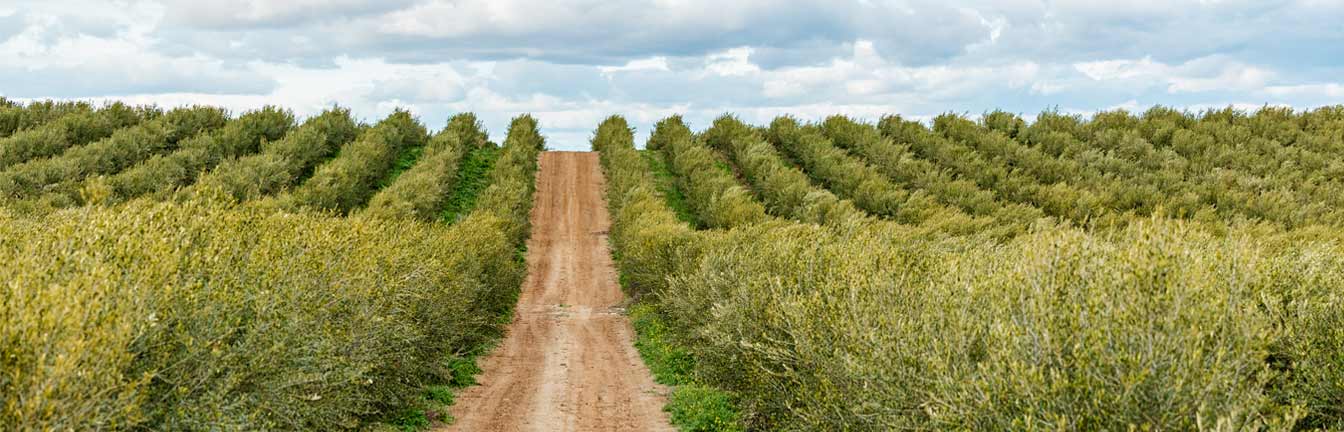
How leading companies report on natural capital reveals a fundamental shift. The old paradigm focused on minimising negative impacts – measuring carbon footprints, water withdrawals, and waste generation. While the new leadership standard has moved toward regeneration, treating natural systems not as externalities to be managed, but as core productive assets to be enhanced. Ultimately, the logic is sound; any food or agribusiness is profoundly dependent on stable climate patterns, healthy soils, and clean water. Companies that deplete or erode these systems endanger their own operations. Conversely, those that seek to regenerate and enhance build resilience.
Danone, which leads the World Benchmarking Alliance’s Environment category, exemplifies this approach. The company reports that 39 per cent of its key ingredients are now sourced from farms transitioning to regenerative agriculture. This is not a token initiative but a deliberate strategy designed to decarbonise its supply chain and regenerate the natural capital upon which the company’s operations depend. In fact, between 2020 and 2024, Danone achieved a 25 per cent reduction in methane emissions from its fresh milk supply, a direct outcome of these regenerative practices.
Nestlé demonstrates a parallel commitment through its deforestation strategy. The company reports that 93.4 per cent of its primary supply chains for key commodities were verified as deforestation-free in 2023. This figure represents years of investment in traceability systems, supplier engagement, and third-party verification. This has undoubtedly been a resource-intensive undertaking; securing a deforestation-free supply chain is complex, costly and operationally challenging, but when done correctly, it can significantly mitigate regulatory risk, build brand reputation, and provide the company with the social licence to operate.
Human capital as a competitive engine
Leading companies recognise that their internal workforce and their extended supply chains are critical assets, and leading organisations have moved from basic health and safety reporting to holistic talent, diversity, and empowerment strategies. For instance, Cargill has already helped train more than 6.4 million farmers in sustainable agricultural practices since 2017 and is targeting to train another 3.6 million by 2030. By strategically investing in the capabilities of their supplier base, they will ultimately benefit from higher-quality crops, more efficient practices, and greater resilience to climate shocks.
However, any investment in human capital needs to be matched by an equally rigorous commitment to transparency, even where these figures are not favourable. Candid reporting on contentious issues such as gender representation and pay equity has become the hallmark of genuine leaders, distinguishing those that are genuinely managing human capital from those merely managing perceptions of it. For instance, Unilever openly discloses that women hold only 15 per cent of positions on the most senior leadership team. While this level of transparency highlights a clear challenge at the highest level of the company, it also builds credibility, as it shows that the organisation has not presented a false or misleading narrative of its own achievements. Instead, Unilever presents the facts, acknowledges gaps, and, perhaps most importantly, outlines a strategy for improvement.
Social capital as a protective moat
Agribusiness leaders are increasingly recognising that social capital is a key source of competitive advantage. For agribusiness companies, whose operations are deeply embedded in rural communities and whose products are consumed by billions, the trust, relationships, and networks they build with stakeholders can define their long-term viability and provide them with the necessary social licence to operate.
While previously social capital was often hard to measure and only captured by spending or anecdotally through case studies, now leading companies are using third-party validation to substantiate their claims. Bayer, the World Benchmarking Alliance leader in nutrition, provides a notable example. Rather than simply claiming to help smallholder farmers, the company commissions independent impact assessments which can confirm whether programme participants experienced measurable increases in yields and income.
Hard data can also be used to showcase an organisation’s supply chain ethics. For instance, established reporting mechanisms such as the Sustainability Accounting Standards Board (SASB) framework for Agricultural Products enable companies to report the non-conformance rates from their suppliers’ social and environmental responsibility audits. Transparent reporting on these metrics, even when performance is imperfect, is likely to be a critical differentiator going forward as increased regulatory scrutiny and consumer awareness of issues such as forced labour and child labour continue to intensify.
Built capital as the accelerator
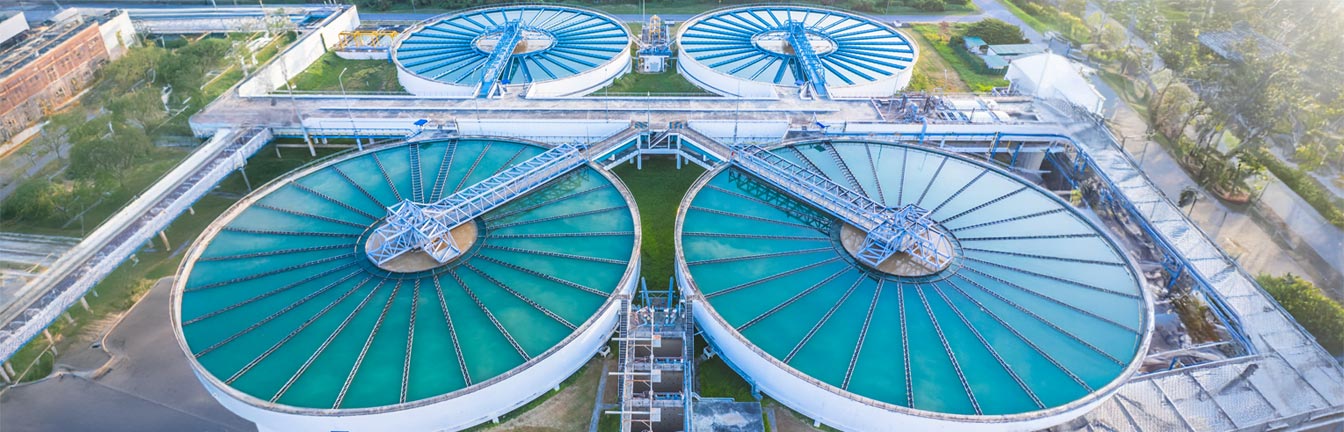
Whilst built capital – the physical infrastructure, machinery, and technology that companies use to operate – is typically well-represented on traditional balance sheets, sustainability leaders frame it differently. They present these assets not as static items but as dynamic tools that accelerate performance.
The focus shifts from capital expenditure to capital efficacy, with metrics tracking energy consumption, water use, and waste generation per unit of production. For example, when Kellogg Company sets a goal for 30 per cent of its plants to achieve zero-waste-to-landfill status, it reframes the factory as an active tool for eliminating natural capital depletion.
Similarly, Cargill’s use of a real-time carbon calculator in its product development teams demonstrates how the organisation is embedding sustainable outcomes into their infrastructure and operations.
Ultimately, leaders want to use built capital to create ‘co-benefits’, whereby new facilities or technologies are reported not just in terms of output, but in terms of their contribution to broader goals. In this way, investments in energy-efficient factories, resilient infrastructure, or precision agriculture technology can be presented for what they are: strategic decisions that simultaneously cut long-term operating costs and reduce the organisation’s environmental footprint, all of which helps drive the business towards a more resilient and profitable future.
Integrating the four forms of capital into core business systems
One of the biggest challenges for leaders is integrating capital performance into core business systems. Leading companies have begun linking sustainability metrics to executive compensation, financial planning, and innovation processes, ensuring that multi-capital management is embedded in the organisation’s operational DNA. For instance, Nestlé links a portion of executive pay directly to specific targets for greenhouse gas emissions, water use, and diversity. Incentivising environmental and social performance in this way helps ensure that these issues receive the same strategic attention as financial considerations. Similarly, Olam International’s dedicated Finance for Sustainability unit treats sustainability metrics with the same rigour as financial data, enabling them to produce Integrated Impact Statements that monetise impacts across all four forms of capital. By quantifying benefits in this way, Olam can develop a holistic return on investment that a traditional profit and loss statement would miss.
However, it is worth noting that the vast majority of companies in the food and agribusiness sector are failing to take sufficient action. A Columbia University study found that 47 per cent of the largest public and private companies in the United States agriculture sector disclose no sustainability information whatsoever. In an era where disclosure requirements and investor scrutiny are becoming more prevalent, this level of opacity may deter future investors, as it signals high risk and poor governance to the market. Similarly, potential employees, particularly younger talent, may perceive them as undesirable employers, and customers, especially large multinational buyers – who are subject to their own reporting obligations under frameworks such as the European Union’s Corporate Sustainability Reporting Directive – may view them as high-risk suppliers.
Closing the gap
For agribusiness executives, siloed thinking, minimal disclosure, and treating sustainability as a compliance burden is likely to lead to ruin. The data from the World Benchmarking Alliance, the performance metrics of industry leaders, and the direction of regulatory change all strongly indicate a need for food and agribusinesses to manage the four forms of capital in an integrated, transparent, and strategic manner. Companies that treat natural capital as a productive asset, invest in human capital across their value chains, build trust through verified social impact, and use built capital to accelerate performance across all of these dimensions will secure a competitive advantage and garner greater financial returns. But with leading organisations having already stolen a march by embedding the four forms of capital into their core operations, the question is whether the remaining pack can adapt before the gap becomes insurmountable.
At Farrelly Mitchell, we provide food and agribusiness leaders with the technical and commercial expertise they need to develop and implement robust strategies that address sustainability, risk, and financial considerations. Our food and agribusiness advisors help clients establish and utilise transparent reporting systems aligned with global standards. Drawing on deep experience across policy advisory, sustainability, ESG, and risk analysis, we enable clients to create value and deliver measurable impact. Our approach combines on-the-ground insights with global best practices, enabling our organisations to optimise operations, build capacity and address complex challenges. Contact our experts today to discuss how we can support your organisation’s continued growth and resilience.