
Institutional investment in agriculture has accelerated significantly over the last decade. Since 2009, funds targeting agriculture assets exceeded $190 Billion, with nearly 75% of these funds raised in the latter half the decade. The increased interest, investment and development of the asset class was catalyzed by institutional investors searching for portfolio diversification and resilient assets following the 2008 recession – specifically, uncorrelated sources of durable value and inflation protected income.
The resulting influx of capital into the sector has significantly increased the numbers of managers within the sector, in 2004 there were only seven agriculture-focused funds compared to more than 300 today, equally the influx of capital also increased the levels of sophistication within the industry from both a deployment and management perspective, including the sophistication and expertise of the services supporting the industry and the investment strategies.
What are the factors driving institutional investing in agriculture?
Agriculture’s asymmetric return profile presents a compelling case to invest during instances of economic uncertainty. Recent, increased market volatility and rising inflation concerns have renewed institutional investors’ focus on investments within the sector given their resiliency throughout the economic cycles.
In particular, agriculture displays several specific characteristics that are unique to the asset class:
- Low Volatility: Investments with lower volatility are more likely to protect capital, minimize losses, and demand less of future returns to compensate for losses.
- Resilient Performance: Agriculture is seen as a safe haven investment with a proven record of positive investment performance across multiple economic cycles.
- Low Correlation: Agriculture investments typically act independently of general market conditions can hedge against losses and minimize total portfolio risk.
- Utility Value/Demand: Agriculture investments typically have a real-world purpose and are not at risk of becoming worthless due to the inherent, underlying value of the asset.
- Natural Capital Benefits: Value creation goes beyond explicit economic return and has the potential to also deliver significant climate positive returns.
- Compelling Supply/ Demand Dynamics: A growing global population, combined with rising incomes is putting pressure on resources such as land, increasing focus on these assets.
Institutions can invest in agriculture in four main ways:
Farmland: Investing in leased and operated farmland and biological assets and equipment used to produce crops and animal products.
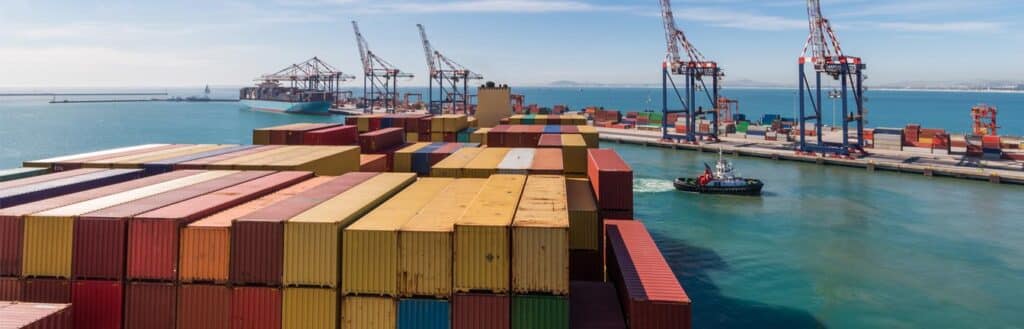
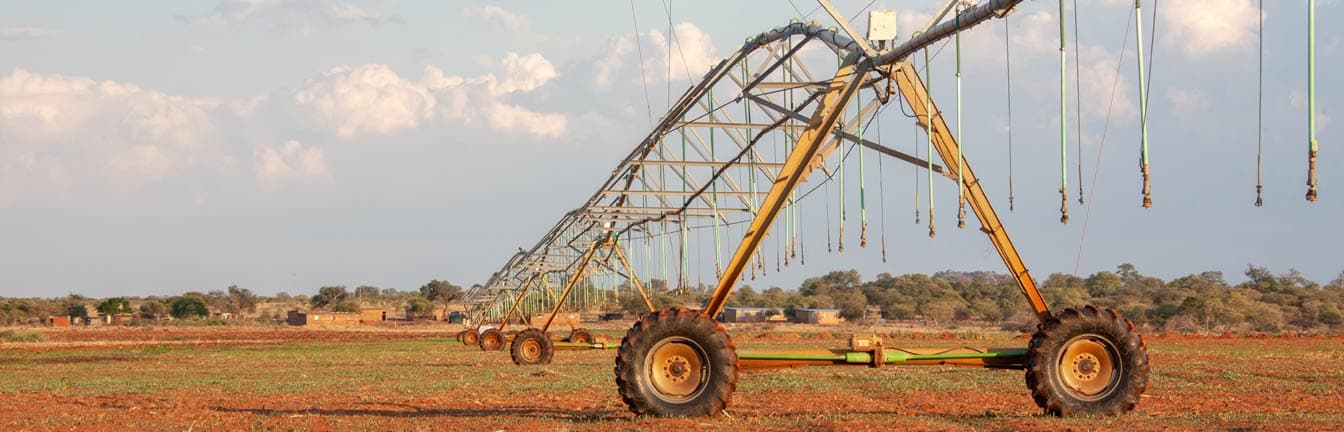
Agri-Infrastructure: Investing in assets related to the lease and operation of irrigation, intensive production, storage, and logistics.
Agribusiness: Investing in businesses involved in the provision of goods and services supporting the agricultural and food supply chain.
AgTech: Investing in businesses that develop and commercialise technical solutions to increase productivity, quality, and environmental outcomes across the entire supply chain.
Long term prospects
The long-term fundamentals for farmland and agriculture remain extremely positive. The durability and consistency of returns from the sector is unparalleled across other investment alternatives.
Capital continues to flow into the sector in recognition of this, and the sectors unique characteristics and the opportunities it presents for investors seeking to meet both their financial and sustainability objectives.
These factors are likely to continue over the long-term creating a compelling case for the inclusion of the asset class in a diversified investment portfolio.
Farrelly Mitchell’s Advisory Services
Investing in agriculture can be lucrative, but knowing where and when to invest can be complex. By gaining an in-depth knowledge of your target’s full potential and potential drawbacks, you can make better decisions.
Our agribusiness due diligence experts have a deep understanding across each stage of the investment process. Our M&A team have extensive experience in cultivating and unlocking sources of market intelligence to bring clarity to your investment decision.
Contact us today for more information on our commercial and technical services.