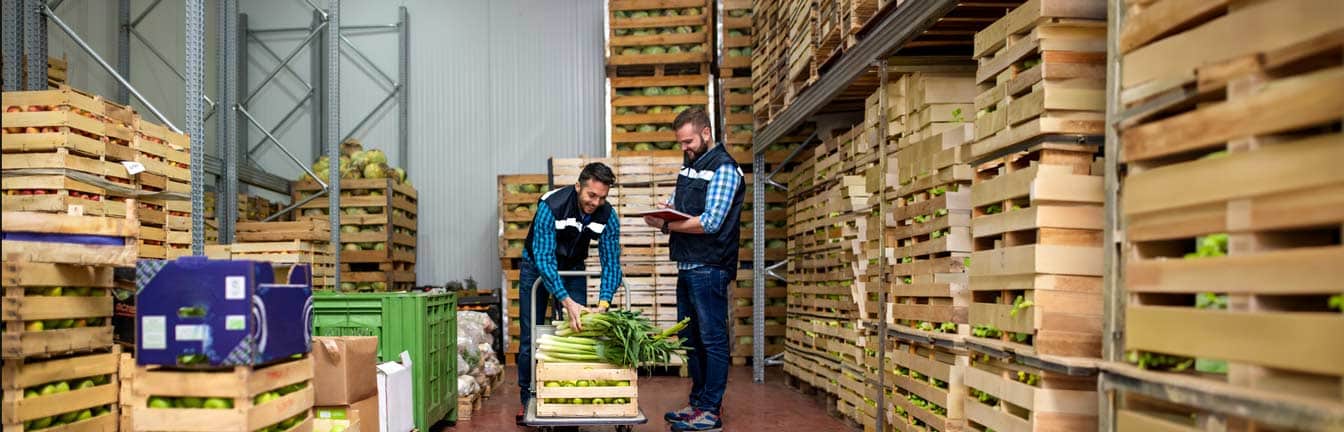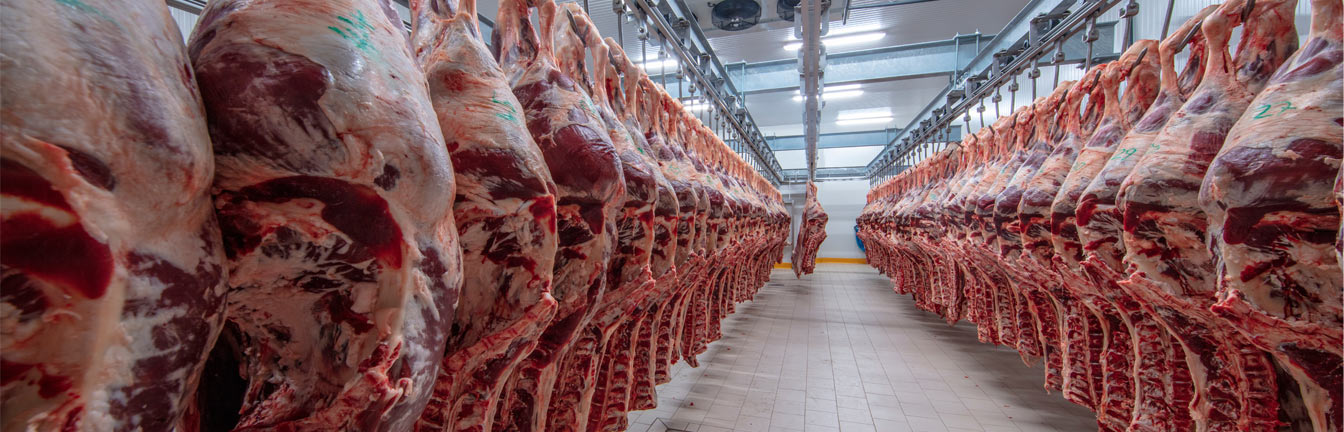

At its core, value chain mapping in agriculture is a method used to visualise and analyse the steps that food products take from raw agricultural materials to the end consumer. It examines the activities, roles, and information flow between different entities involved in delivering food.
Value chain mapping in agriculture can be viewed in a narrow or broad sense. In its narrowest sense, value chain mapping centres on an individual firm, covering all stages from conception and design to the acquisition of inputs, including production, marketing, distribution, and after-sale services.
At its broadest level, value chain mapping spans multiple enterprises and details the various activities performed by all stakeholders to transform a raw material into the final product. This comprehensive view covers all upstream and downstream connections, ensuring the raw material’s complete journey to the final consumers is well-represented. Value chain mapping is essential to understanding the intricate web of global food production and distribution systems involved in Global Agricultural Value Chains (GAVCs).
The need for value chain mapping in agriculture
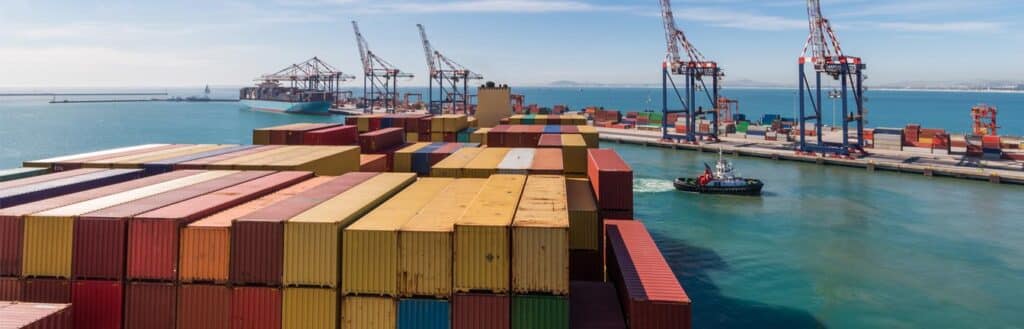
Modern agriculture is no longer confined to regional boundaries. Today, agricultural raw materials cross borders many times before reaching consumers. This journey is driven by GAVCs.
The prevalence of GAVCs has affected the strategic development of many economies. On the one hand, it is no longer necessary or efficient for countries to build an entire value chain from scratch. On the other hand, the globalisation of the agricultural industry has narrowed the regulatory options for countries, making it increasingly difficult to protect developing industries.
The shift toward GAVCs has redefined the trajectory of agricultural products and underscores the necessity for value chain mapping. As GAVC’s reshape and reorientate supply chains, it is becoming more important – and more challenging – to safeguard nascent industries. As such, value chain mapping isn’t merely an analytical tool; it’s an essential compass, guiding businesses and entire economies in navigating global agricultural commerce.
The agricultural value chain mapping process
Agricultural value chain mapping methodologies vary. Participatory techniques, rapid market assessments, and structured surveys are all viable approaches, but deciding which methodology to utilise and when is subjective. Consequently, the effectiveness of the agricultural value chain mapping process depends heavily on the analytical capacity of the team conducting the analysis and is likely to require some amount of customisation to allow for in-depth, situation-specific analyses.
The agricultural value chain mapping process is typically executed in two stages:
Initial basic map: These provide a straightforward representation of the value chain. For instance, a basic horticulture map might demonstrate market channels from the producer level to either an export or domestic consumer market. This initial map merely outlines participants and functions.
Adjusted (detailed) mapping: This more comprehensive map incorporates additional information such as:
- Supporting markets: Service providers critical to value chain participants.
- Value chain governance: This highlights the power dynamics within the industry.
- Data overlays: This can include quantitative data such as the number of small businesses at each level, number of employees, land sizes, sales figures, margins, and more.
How agricultural value chain maps are used
Once developed, agricultural value chain maps are typically used to develop corporate or national strategies. They are used to identify performance improvement opportunities and are increasingly being used by corporate responsibility professionals in the development of sustainability strategies and materiality assessments.
How agricultural value chain maps are used can typically be divided into four distinct stages:
- Appraisal of value chains: This includes identifying participants, products, bottlenecks, partners, networks, and systems as well as describing value chains and product sub-sectors.
- Design of interventions: This involves identifying ways to improve value chain performances, typically through the use of technologies, institutional innovations, and policies.
- Implementation: In this stage, the interventions identified in the design phase are put into action.
- Monitoring and evaluation: During this stage a continuous process of tracking the progress of implemented interventions and assessing the results is carried out.
Limitations of value chain mapping in agriculture
While agricultural value chain mapping is invaluable for understanding industry dynamics, it’s crucial to be aware of its limitations:
- Static: A map is a static representation and doesn’t capture the evolving dynamics and trends of a value chain. Additionally, rapid technological changes can quickly make a previously accurate value chain map outdated.
- Data limitations: The accuracy of GAVC mapping can be compromised due to insufficient data, especially if many external parties make up the supply chain.
- Assumption risks: The development of a value chain map often relies on assumptions, which, if incorrect, can misguide strategies and interventions based on that map. Similarly, the process might be influenced by biases, either from the team creating the map or from the sources of information. These biases can skew the representation of the value chain.
- Narrow focus: By focusing too granularly, the broader strategic view can get lost. There’s a risk of spending excessive time refining the map and losing sight of its role as a tool to identify constraints and opportunities. Similarly it is also imperative to refrain from drawing hasty conclusions based on observable factors.
- Lack of end market insights: While end markets might be displayed, the map doesn’t delve into their structures or dynamics.
- Societal factors: Understanding the interplay between global and local value chains and their consequences on socio-economic and environmental sustainability is key to fully understanding any market. Value chain maps can oversimplify complex systems and omit certain nuances that might be crucial to understanding wider societal sentiments.
- Resource utilisation: Creating a comprehensive value chain map can be resource-intensive, requiring significant time, expertise, and financial resources, which may be prohibitive for smaller entities or those with limited resources.
How we can help
As the interconnected web of GAVCs grows, it becomes imperative for policymakers, businesses, and stakeholders to understand its dynamics and implications. At Farrelly Mitchell, our value chain experts support governments and agribusinesses with understanding global and local agrifood markets. We offer key insights into market intelligence, supply chain optimisation, policy and regulation, and much more.
We help governments, multilaterals and NGO’s implement policy and regulation that supports smallholders’ integration and market linkages, while our private sector team can help organisations establish their presence in global and local markets. To learn more about our services and build traceable and transparent pathways to inclusive markets, contact us today.